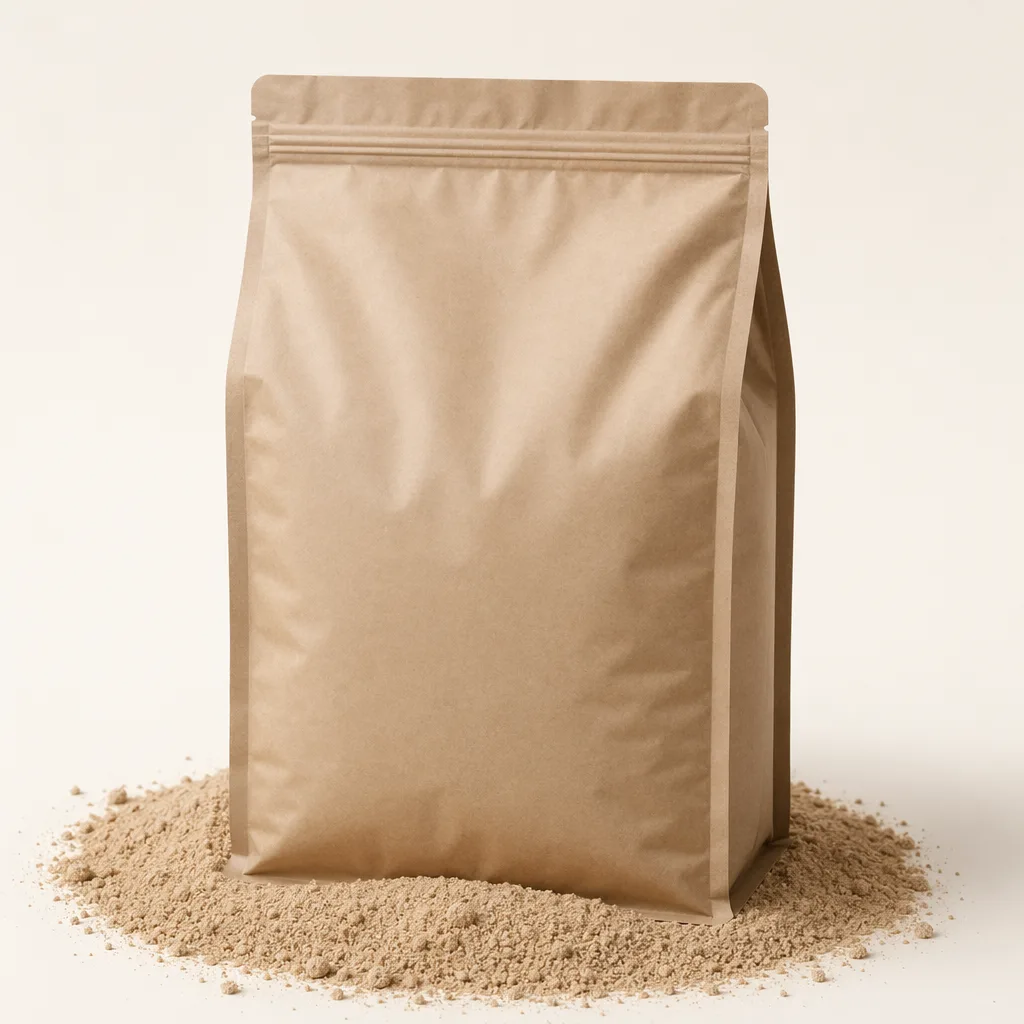
Dry Winemaking Enzyme
Winemaking enzyme is a dry pectolytic processing aid used to break down fruit pectin during grape must, juice, wine, and fermented beverage production. ArtemisYeast supplies ART-BW-010 in 10 kg foil pouches for wineries, craft brewers, distillers, and industrial fermentation plants requiring consistent lot control and export-ready documentation. This inquiry-only product is available with wholesale pricing on request, including support for multi-pallet, container, and scheduled production orders.
- ✓ Free worldwide shipping
- ✓ ISO-aligned manufacturing
- ✓ Certificate of Analysis on request
- ✓ Bulk & custom volumes quoted on request
Overview
ART-BW-010 is a dry winemaking enzyme preparation designed for fruit processing and alcoholic fermentation workflows where pectin reduction, juice release, clarification, and filterability are operational priorities. The product is supplied as a free-flowing powder in 10 kg foil pouches for bulk handling, with typical targets including light tan to beige appearance, moisture not more than 8%, and fine powder particle profile suitable for rapid dispersion when pre-diluted in clean process water. It is not a live yeast and does not carry a CFU/g specification; it is used as a processing adjunct alongside selected yeast strains in wine, cider, fruit beer, spirits wash, or bioethanol feedstock preparation.
The enzyme system is selected for activity under acidic beverage conditions, with practical use commonly in the pH 3.0-5.0 range and process temperatures from cool maceration through warm mash or must handling. Final dosage depends on fruit variety, pectin load, contact time, temperature, sulfite practice, and desired clarification speed. Procurement teams can review related fermentation inputs in brewing and winemaking yeast or request formulation support when matching enzyme use with yeast nutrition, fermentation kinetics, and downstream separation equipment.
Applications
- Winemaking: used during crushing, maceration, pressing, or juice clarification to improve pectin breakdown, settling behavior, and process consistency for red, white, rosé, and fruit wine programs.
- Craft brewing and cider: supports fruit additions, high-pectin adjuncts, hard cider production, and specialty beer streams where haze, viscosity, or poor extract release can create filtration losses.
- Distilled spirits: applied in fruit mash, grape pomace, apple, berry, or other botanical raw-material streams to support liquid release and more uniform fermentation feed preparation before distillation.
- Industrial fermentation and bioethanol: suitable for plants processing fruit-derived or pectin-rich substrates where viscosity management and solid-liquid separation influence throughput.
- R&D and scale-up: supplied for bench trials, pilot batches, and plant validation. Typical trial ranges may start at 1-5 g/hL for juice or must, adjusted by substrate and contact conditions.
Storage and Handling
Store ART-BW-010 in the original sealed foil pouch in a cool, dry, odor-free warehouse, ideally below 25°C and away from direct sunlight, steam lines, strong oxidizers, and high humidity. After opening, reseal immediately or transfer to a clean, dry, food-grade container to reduce moisture uptake and activity loss. Recommended first-in, first-out inventory control applies. Typical shelf life is up to 24 months from manufacture when unopened and stored under recommended conditions; the lot-specific expiry date should be verified on the certificate of analysis or product label.
For plant use, disperse the required quantity into clean water before addition, or add according to the validated site procedure to ensure even distribution. Avoid inhaling dust and use standard powder-handling controls such as local extraction, gloves, eye protection, and a dust mask where required by the site risk assessment. Do not mix directly with sanitizers or highly alkaline cleaning chemicals. For order planning, packaging configuration, lead time, and export route options, use the bulk quote on request workflow.
Quality and Documentation
ArtemisYeast supplies ART-BW-010 for professional beverage and fermentation manufacturers that require traceable lots, specification alignment, and import documentation. Standard quality files may include certificate of analysis, specification sheet, allergen statement where applicable, food-grade declaration, safety data sheet, and country-of-origin documentation. HACCP-aligned production controls and documentation for ISO 22000, FSSC 22000, Halal, or Kosher status may be available on request depending on the manufacturing lot and destination requirements; buyers should confirm required documents before purchase order release.
Representative test parameters can include appearance, odor, moisture, activity or performance index, microbiological limits, heavy metals where required, and packaging integrity. ArtemisYeast supports procurement review for private-label, distributor, winery group, and industrial users needing recurring supply. Visit quality documentation to understand document handling, lot traceability, and pre-shipment review options before requesting wholesale pricing on request.
Storage & Handling
Refer to the CoA for product-specific storage conditions. Ship cold-chain where required.
Quality & Documentation
Manufactured under ISO-aligned quality management systems. Full documentation — Certificate of Analysis (CoA), Material Safety Data Sheet (MSDS), formulation summary, and stability data — is available on request. Email info@artemisyeast.com with the SKU.
About this product
01 What is the typical shelf life?
02 Do you offer documentation (CoA, food-grade declaration)?
03 What is the minimum order quantity?
04 Is bulk pricing available?
05 How is this product shipped internationally?
More from Brewing & Winemaking Yeast
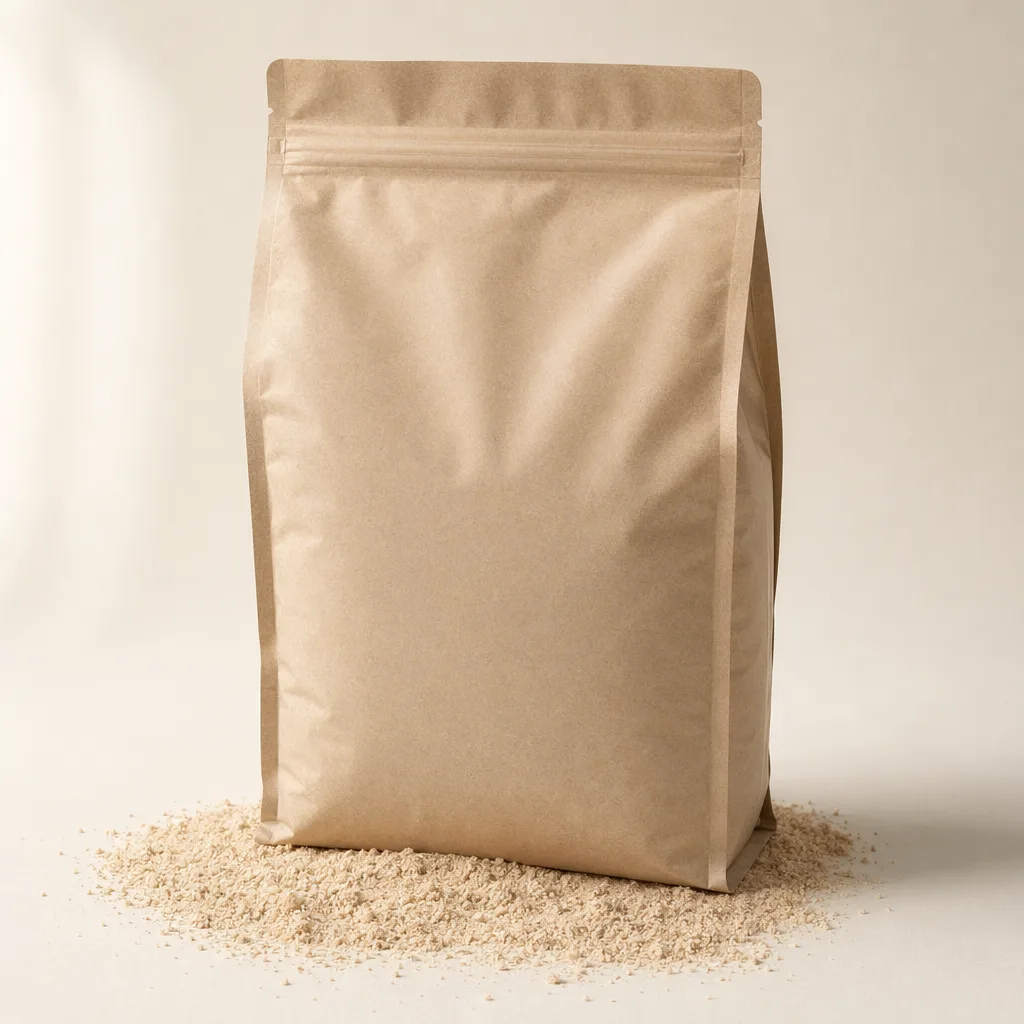
Super Turbo Yeast for High-Gravity Fermentation
Active dry super turbo yeast for craft brewers, winemakers, distillers, and industrial fermentation.
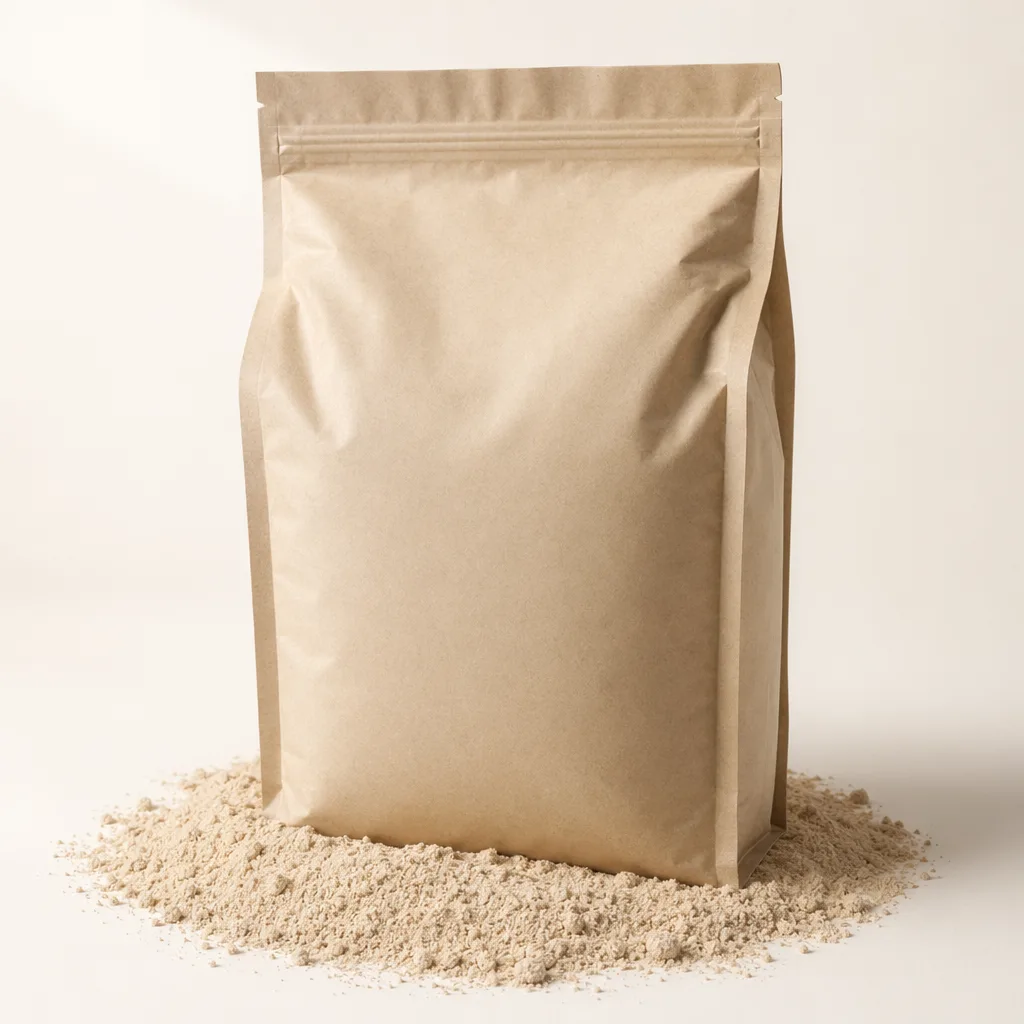
Dry Fermentation Nutrients and Protectors for Yeast
Active dry nutrients and protectors for craft brewers, winemakers, distillers, and industrial fermentation.
Super Turbo Yeast for Craft Brewing, 10 kg Pouch
Super Turbo Yeast for craft brewing applications. Active dry super turbo yeast for craft brewers, winemakers,…
Super Turbo Yeast for Winemaking, 10 kg Foil Pouch
Super Turbo Yeast for winemaking applications. Active dry super turbo yeast for craft brewers, winemakers, dis…