
Viscosity Reducing Enzyme for Craft Brewing
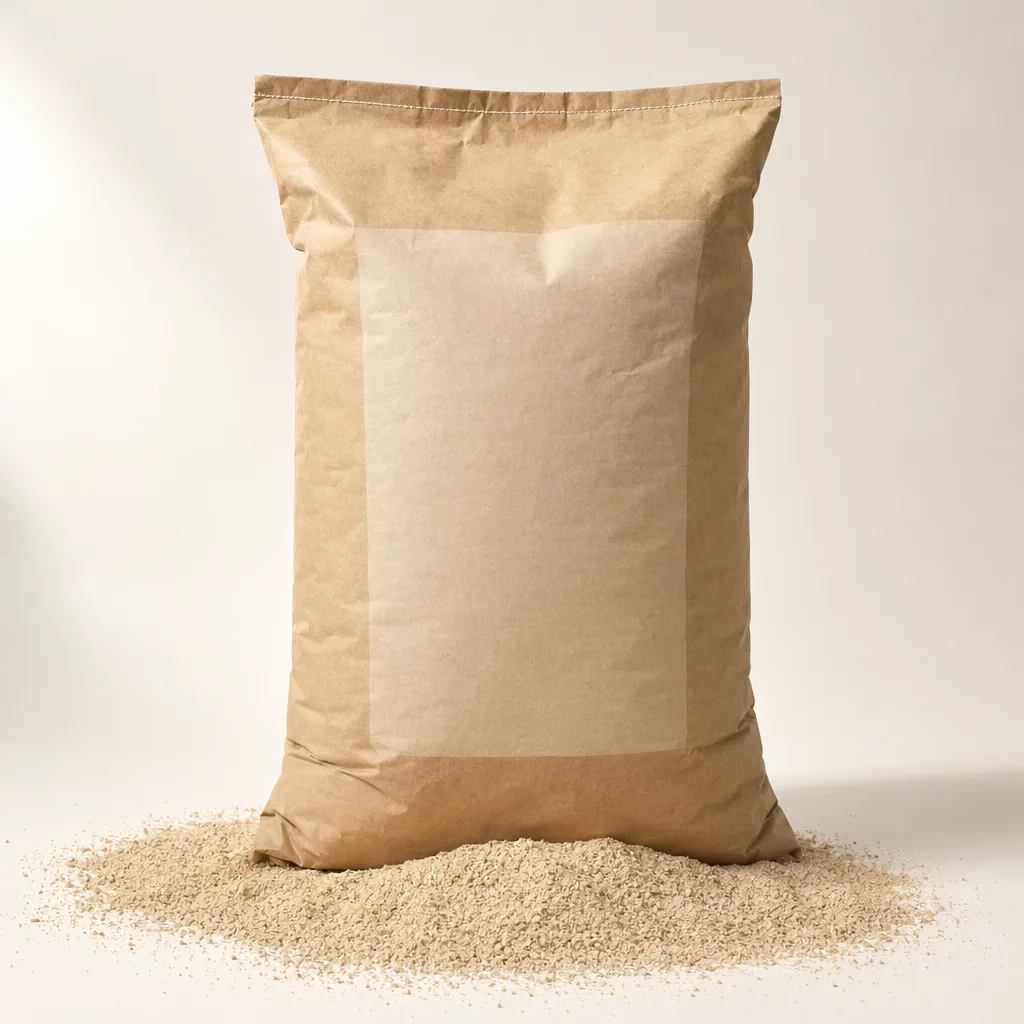
Viscosity reducing enzyme is a food-processing enzyme preparation used in brewing to hydrolyze beta-glucans and pentosans that increase wort thickness and slow filtration. ART-EN-064 is supplied for craft breweries and fermentation processors that need more predictable lautering, transfer, and clarification performance when using barley malt, wheat, rye, oats, or adjunct-rich grists. It is available in 25 kg multi-wall sacks, with wholesale pricing on request for qualified bulk buyers.
- ✓ Free worldwide shipping
- ✓ ISO-aligned manufacturing
- ✓ Certificate of Analysis on request
- ✓ Bulk & custom volumes quoted on request
Overview
ART-EN-064 is a dry viscosity reducing enzyme preparation for brewing and related fermentation processes. It is typically selected where high beta-glucan or arabinoxylan content can raise mash and wort viscosity, reduce extract recovery, extend run-off time, or increase load on centrifuges and filters. The product is not live yeast and does not contribute CFU/g; it is used as a processing aid to improve flow behavior before or during wort separation.
The preparation is designed for mash-side use in craft brewing, especially all-malt recipes with variable malt modification, high-adjunct recipes, and specialty beers containing wheat, rye, oats, or other cereal sources. Typical technical targets may include moisture not more than 8%, off-white to tan powder or granule appearance, and 90% minimum pass through 40 mesh, subject to lot-specific CoA. Operating conditions are normally aligned with mash pH around 4.5-6.0 and temperatures around 45-65 C; exact dosage should be validated by pilot brew, grist composition, residence time, and downstream filtration setup. See related fermentation processing products in enzymes and fermentation.
Applications
- Craft breweries: helps manage high-viscosity mash streams, improve run-off consistency, and support stable wort transfer in brewhouses using lauter tuns, mash filters, whirlpools, or centrifuge-assisted clarification.
- Adjunct and specialty beer production: suitable for formulations with wheat, rye, oats, unmalted cereals, or variable malt lots where beta-glucans and pentosans can create filtration drag and haze-forming solids load.
- Pilot and R&D brewing: supports controlled comparison of mash viscosity, extract yield, filtration rate, and turbidity across new grain bills, seasonal malt changes, and process-scale adjustments.
- Food and fermentation processing: may be evaluated in cereal-based fermentation slurries where lower viscosity is needed for pumping, mixing, heating, or solid-liquid separation, subject to application validation and local compliance review.
- Procurement and plant operations: supplied as ART-EN-064 in a 25 kg multi-wall sack for inventory control, batch traceability, and industrial handling. For availability, lead time, and packing options, submit a bulk quote on request.
Storage and Handling
Store unopened sacks in a cool, dry, well-ventilated warehouse away from direct sunlight, steam lines, strong odors, and chemical vapors. Recommended storage is below 25 C with relative humidity kept low; avoid repeated temperature cycling that may lead to condensation inside the package. Under appropriate storage, typical shelf life is 12-18 months from production date, confirmed by the lot label or CoA.
After opening, reseal the inner liner immediately and use the product as soon as practical. Enzyme powders can generate dust during charging; plant teams should use local exhaust ventilation and standard PPE such as gloves, eye protection, and a suitable dust mask according to site safety procedures. Add the enzyme in a way that ensures even dispersion in mash water or mash slurry. The activity is normally reduced by wort boiling, but breweries should verify their own process conditions.
Quality and Documentation
ART-EN-064 is supplied for industrial food and brewing customers under controlled manufacturing and lot traceability expectations. A certificate of analysis can include appearance, activity or functional assay, moisture, particle size, microbiological limits, and batch identification where applicable. Specification ranges are confirmed at quotation and may be adjusted for regional regulatory or labeling requirements.
Documentation available on request may include CoA, specification sheet, safety data sheet, allergen statement, non-GMO statement where applicable, food-grade declaration, and Halal or Kosher documentation when available for the relevant lot and production site. HACCP, ISO 22000, FSSC 22000, or equivalent food-safety documentation can be reviewed during supplier qualification when available. ArtemisYeast supports supplier questionnaires, technical file review, and shipment document checks through the quality documentation process before purchase order release.
Storage & Handling
Refer to the CoA for product-specific storage conditions. Ship cold-chain where required.
Quality & Documentation
Manufactured under ISO-aligned quality management systems. Full documentation — Certificate of Analysis (CoA), Material Safety Data Sheet (MSDS), formulation summary, and stability data — is available on request. Email info@artemisyeast.com with the SKU.
About this product
01 What is the typical shelf life?
02 Do you offer documentation (CoA, food-grade declaration)?
03 What is the minimum order quantity?
04 Is bulk pricing available?
05 How is this product shipped internationally?
More from Enzymes & Fermentation Inputs

Protein and Nucleic Acid Processing Enzyme Powder
Industrial enzyme — protein & nucleic acid processing for food, feed, brewing, and biotechnology processing.
Industrial Alpha-Amylase Enzyme for Starch Processing
Industrial enzyme — α- amylase for food, feed, brewing, and biotechnology processing.

β-Glucanase Enzyme for Brewing, Baking and Feed
Industrial enzyme — β-glucanase for food, feed, brewing, and biotechnology processing.

β-Mannanase Enzyme for Food, Feed, and Brewing
Industrial enzyme — β-mannanase for food, feed, brewing, and biotechnology processing.