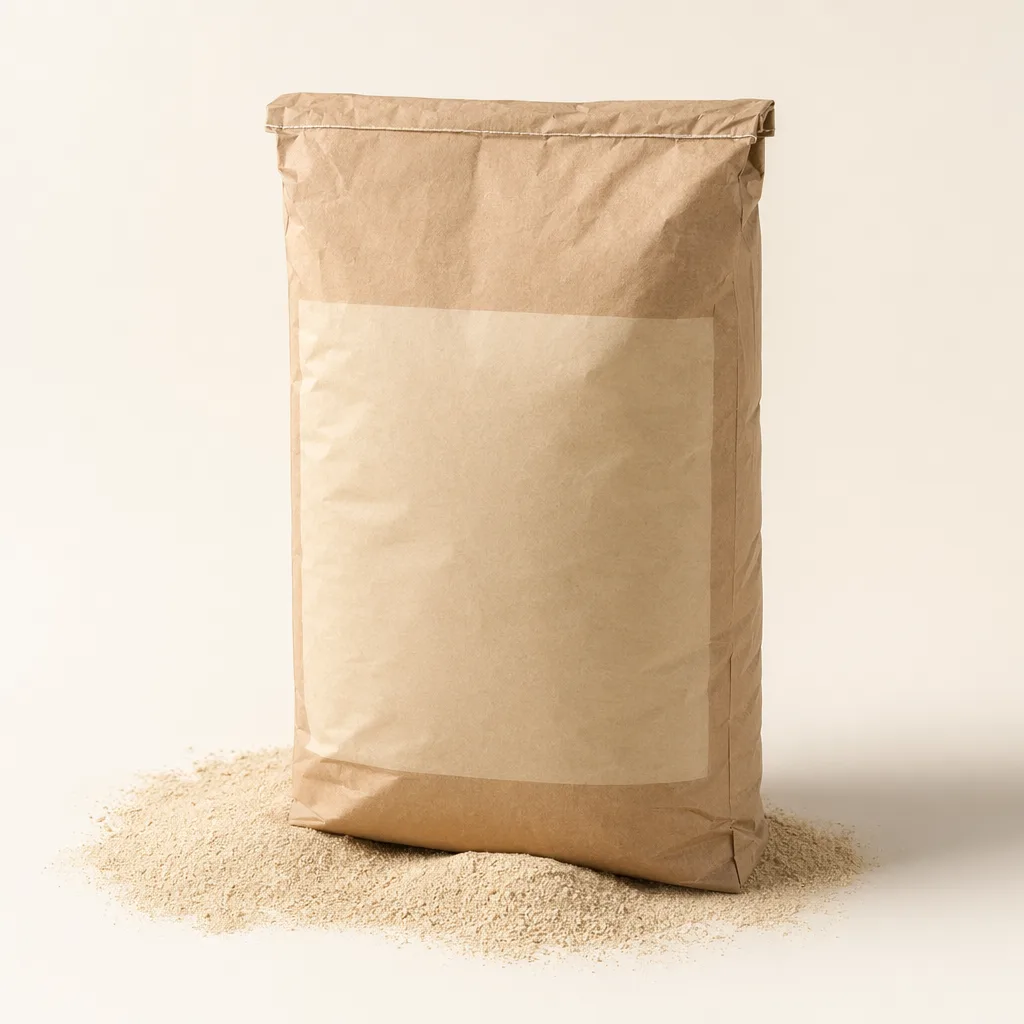
Animal Feed Xylanase Enzyme
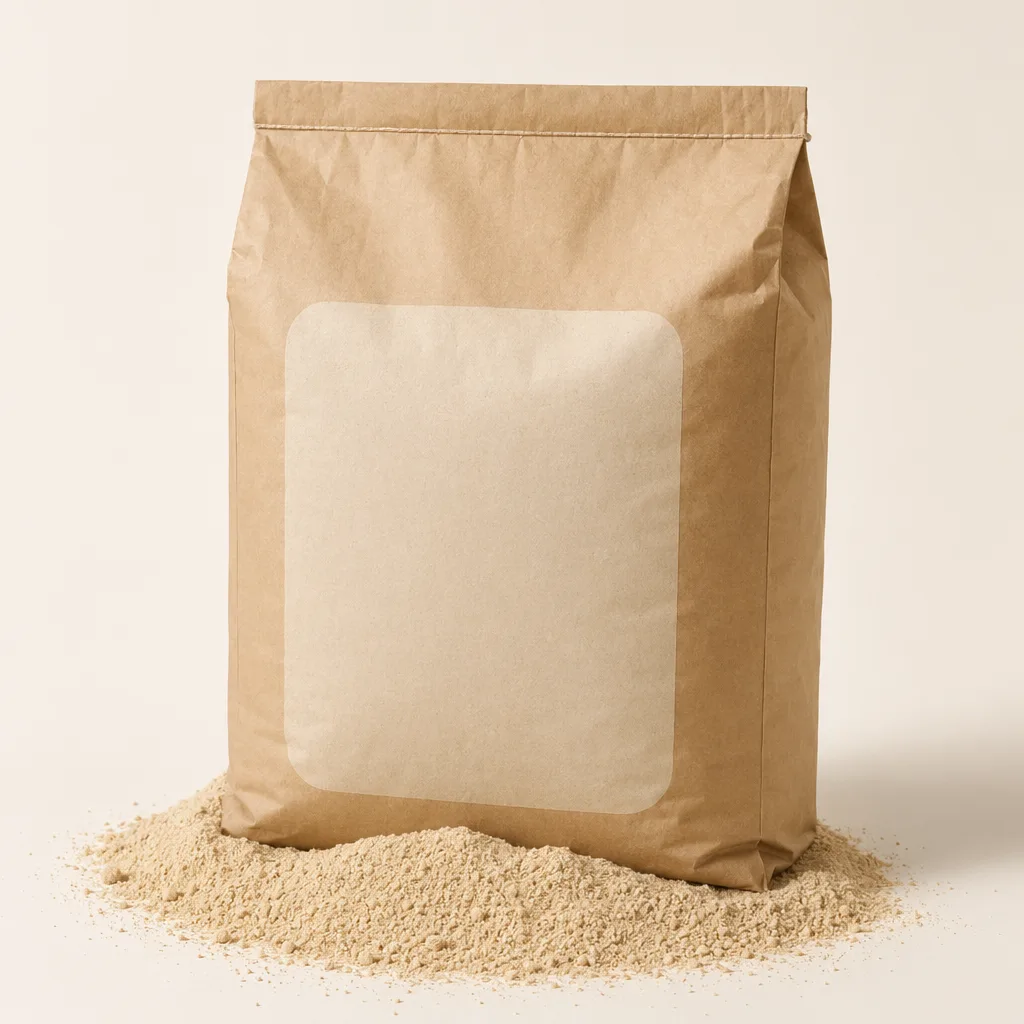
Animal feed xylanase enzyme is a microbial fermentation-derived carbohydrase used to hydrolyze arabinoxylans in cereal-based livestock feed. ART-EN-068 is supplied as a dry enzyme preparation for premixers, compound feed mills, and nutrition teams formulating wheat, barley, rye, triticale, and mixed-grain rations. ArtemisYeast offers this product in 25 kg multi-wall sacks for wholesale supply, with activity grade, carrier, pelleting tolerance, and documentation confirmed during technical quotation.
- ✓ Free worldwide shipping
- ✓ ISO-aligned manufacturing
- ✓ Certificate of Analysis on request
- ✓ Bulk & custom volumes quoted on request
Overview
ART-EN-068 is a feed-focused xylanase preparation designed for industrial dosing into vitamin-mineral premixes, micro-ingredient systems, mash feed, and pelleted livestock feed. Xylanase catalyzes the hydrolysis of beta-1,4-xylosidic linkages in xylan and arabinoxylan fractions naturally present in cereal cell walls. In practical feed manufacturing, it is specified where nutritionists need a consistent enzyme input for non-starch polysaccharide management, especially in formulas containing wheat, barley, rye, triticale, or variable co-product streams.
Typical commercial specifications can be aligned to the application and may include activity ranges such as 10,000 to 100,000 U/g, moisture not more than 8%, light tan to brown free-flowing powder, and particle size with 90% passing 40 mesh unless a premix-ready granule is requested. Standardization is normally performed on a feed-compatible carrier to improve distribution in dry blending. Working pH is commonly in the acidic to near-neutral range, and standard powder grades are used for mash or low-heat processes. For feed plants running steam conditioning, a coated or thermostable grade can be evaluated against target conditioning temperature, retention time, and post-pellet activity requirements.
As part of the ArtemisYeast enzymes and fermentation portfolio, this item is intended for procurement teams that need repeatable lots, export-ready packing, and specification matching rather than a retail product. Wholesale pricing on request is available for pallet, container, and recurring supply programs.
Applications
- Compound livestock feed: inclusion in cereal-rich rations for swine, poultry, ruminant concentrates, and multi-species feed programs where xylanase activity is part of the nutrition matrix.
- Premix manufacturing: dilution into vitamin-mineral premixes or enzyme blends where controlled carrier compatibility, flowability, and uniform distribution are required before final feed manufacture.
- Pelleted feed systems: use in feed mills after review of conditioning temperature, die specification, moisture addition, and expected retention time. Thermostable or coated options may be quoted when pelleting stress is significant.
- Raw material variability management: support for formulas using wheat middlings, barley, rye, triticale, bran fractions, and other cereal co-products with variable arabinoxylan content.
- R&D and formulation trials: supply for feed nutritionists and technical service teams conducting side-by-side trials, activity recovery checks, or reformulation work across cereal bases and processing conditions.
- Integrated ingredient programs: coordination with yeast-derived and fermentation inputs where a single procurement channel simplifies documentation, shipment planning, and supplier qualification.
Storage and Handling
Store ART-EN-068 in the original sealed 25 kg multi-wall sack in a cool, dry, well-ventilated warehouse, typically 5-25 °C, away from direct sunlight, steam lines, liquid chemicals, and strong odors. Keep bags closed after opening and avoid prolonged exposure to humid air, as enzyme powders can lose activity when exposed to moisture or high temperature. Under recommended storage conditions, typical shelf life is 12 to 24 months depending on formulation, activity grade, and packaging configuration; the confirmed shelf life is stated on the lot documentation.
Use controlled transfer methods to minimize dust generation during weighing and premix addition. Standard industrial hygiene practices are recommended, including local exhaust where available and appropriate eye, skin, and respiratory protection for operators handling concentrated enzyme powders. Do not mix directly with highly alkaline materials, oxidizing agents, or hot liquid streams unless compatibility has been confirmed. For automated dosing systems, confirm bulk density, flow behavior, bridge risk, and screen size before commissioning at full production scale.
Quality and Documentation
Each lot can be supplied with a Certificate of Analysis covering enzyme activity, appearance, moisture, and other agreed release parameters. Technical data sheets, safety data sheets, feed-grade statements, allergen or GMO-status declarations, and country-specific import documents are available on request where applicable. Manufacturing and release controls are managed through documented quality systems, with HACCP-aligned processing and certification documentation such as ISO 22000, FSSC 22000, Halal, or Kosher provided when available for the quoted grade and production site.
Procurement teams can request a specification comparison before approval to align activity units, analytical method, carrier, granulation, packaging, labeling, shelf life, and export documentation. ArtemisYeast supports supplier qualification by providing lot traceability, retained-sample controls where applicable, and change-notification expectations for recurring programs. Review documentation requirements through our quality documentation process, or submit formulation, activity, and shipment details through request a bulk quote for technical and commercial confirmation.
Storage & Handling
Refer to the CoA for product-specific storage conditions. Ship cold-chain where required.
Quality & Documentation
Manufactured under ISO-aligned quality management systems. Full documentation — Certificate of Analysis (CoA), Material Safety Data Sheet (MSDS), formulation summary, and stability data — is available on request. Email info@artemisyeast.com with the SKU.
About this product
01 What is the typical shelf life?
02 Do you offer documentation (CoA, food-grade declaration)?
03 What is the minimum order quantity?
04 Is bulk pricing available?
05 How is this product shipped internationally?
More from Enzymes & Fermentation Inputs
Protein and Nucleic Acid Processing Enzyme Powder
Industrial enzyme — protein & nucleic acid processing for food, feed, brewing, and biotechnology processing.
Industrial Alpha-Amylase Enzyme for Starch Processing
Industrial enzyme — α- amylase for food, feed, brewing, and biotechnology processing.
β-Glucanase Enzyme for Brewing, Baking and Feed
Industrial enzyme — β-glucanase for food, feed, brewing, and biotechnology processing.
β-Mannanase Enzyme for Food, Feed, and Brewing
Industrial enzyme — β-mannanase for food, feed, brewing, and biotechnology processing.