
Industrial Bread Baking Xylanase
Xylanase for bread baking is a food-processing enzyme that hydrolyzes flour arabinoxylans to improve dough handling, loaf volume, and crumb structure. ArtemisYeast supplies ART-EN-066 for industrial bakeries, premix manufacturers, milling improver blends, and fermentation processors requiring consistent enzyme activity in 25 kg multi-wall sacks. The product is available for inquiry-only procurement, with wholesale pricing on request and technical documentation provided during qualification.
- ✓ Free worldwide shipping
- ✓ ISO-aligned manufacturing
- ✓ Certificate of Analysis on request
- ✓ Bulk & custom volumes quoted on request
Overview
ART-EN-066 is an industrial xylanase preparation designed for bread and bakery systems where controlled modification of water-soluble and water-insoluble arabinoxylans supports dough machinability. In wheat flour, xylanase can reduce excessive dough viscosity, improve gas cell stability, and support more uniform oven spring when used within the customer’s approved formulation range. Typical bakery use levels are commonly validated at low ppm addition rates based on flour weight, with final dosage depending on flour ash, pentosan content, process time, oxidant system, and whether the enzyme is used in a concentrated improver or a ready-to-use premix.
The product is supplied as a free-flowing powder in a 25 kg multi-wall sack for dry blending and plant-scale dosing. Procurement specifications may include declared enzyme activity in U/g or XU/g, moisture target commonly not more than 8%, fine powder granulation suitable for bakery blending, and controlled microbiological limits for food-processing ingredients. Because this is an enzyme preparation, no CFU/g live yeast specification applies; compatibility with instant dry yeast, compressed yeast, sourdough systems, emulsifiers, oxidants, and flour treatment agents should be confirmed by bench and pilot trials. Related processing ingredients can be reviewed under enzymes and fermentation.
Applications
- Industrial pan bread and toast bread: supports dough extensibility, gas retention, loaf symmetry, and softer crumb texture when balanced with the bakery’s yeast, mixing, and proofing profile.
- Buns, rolls, and hamburger bread: used in improver systems where consistent machinability, divider performance, and uniform volume are required across high-speed lines.
- Frozen dough and par-baked formats: can be evaluated for dough stability during cold storage or interrupted fermentation, especially where flour variability affects handling.
- Flour mills and premix manufacturers: suitable for concentrated bakery improver blends, enzyme premixes, and customer-specific flour correction systems; dilution trials are recommended for dosing accuracy.
- Brewing, feed, and biotechnology processing: may be evaluated for arabinoxylan reduction, viscosity management, and substrate accessibility in non-bakery fermentation workflows where a food- or feed-processing xylanase is appropriate.
Storage and Handling
Store ART-EN-066 in the original sealed 25 kg sack in a cool, dry, well-ventilated warehouse away from direct sunlight, steam lines, strong odors, and condensation. Recommended storage is typically below 25 °C with relative humidity controlled to protect enzyme activity and powder flow. Under suitable unopened storage, a typical shelf-life target is 12 to 24 months depending on the declared activity grade and production lot; the certificate of analysis should be used as the governing document.
Use local exhaust ventilation or dust-control procedures during opening, weighing, and dry blending. Avoid aerosol generation, prolonged exposure to high humidity, and direct contact with strong oxidizing materials before incorporation into a formulated system. Reseal partly used sacks promptly or transfer to clean, dry, food-contact packaging. For formulation support or warehouse-to-plant packing requirements, submit process details through request a bulk quote.
Quality and Documentation
ArtemisYeast supplies ART-EN-066 for B2B qualification with lot-based traceability and specification review before shipment. Standard documentation available on request may include certificate of analysis, product specification, safety data sheet, allergen statement, non-GMO statement where applicable, food-grade declaration, country-of-origin details, and packing list. Manufacturing and supplier controls are reviewed against HACCP-aligned expectations; ISO 22000, FSSC 22000, Halal, and Kosher documentation can be requested when relevant to the selected lot and supply route.
Incoming inspection should verify product name, ART-* SKU, lot number, net weight, packaging integrity, activity declaration, moisture, appearance, and any agreed microbiological parameters. ArtemisYeast can support procurement managers and R&D teams with pre-shipment documentation, sample-to-bulk matching, and export document coordination. For audit expectations and document workflow, see quality and documentation.
Storage & Handling
Refer to the CoA for product-specific storage conditions. Ship cold-chain where required.
Quality & Documentation
Manufactured under ISO-aligned quality management systems. Full documentation — Certificate of Analysis (CoA), Material Safety Data Sheet (MSDS), formulation summary, and stability data — is available on request. Email info@artemisyeast.com with the SKU.
About this product
01 What is the typical shelf life?
02 Do you offer documentation (CoA, food-grade declaration)?
03 What is the minimum order quantity?
04 Is bulk pricing available?
05 How is this product shipped internationally?
More from Enzymes & Fermentation Inputs

Protein and Nucleic Acid Processing Enzyme Powder
Industrial enzyme — protein & nucleic acid processing for food, feed, brewing, and biotechnology processing.
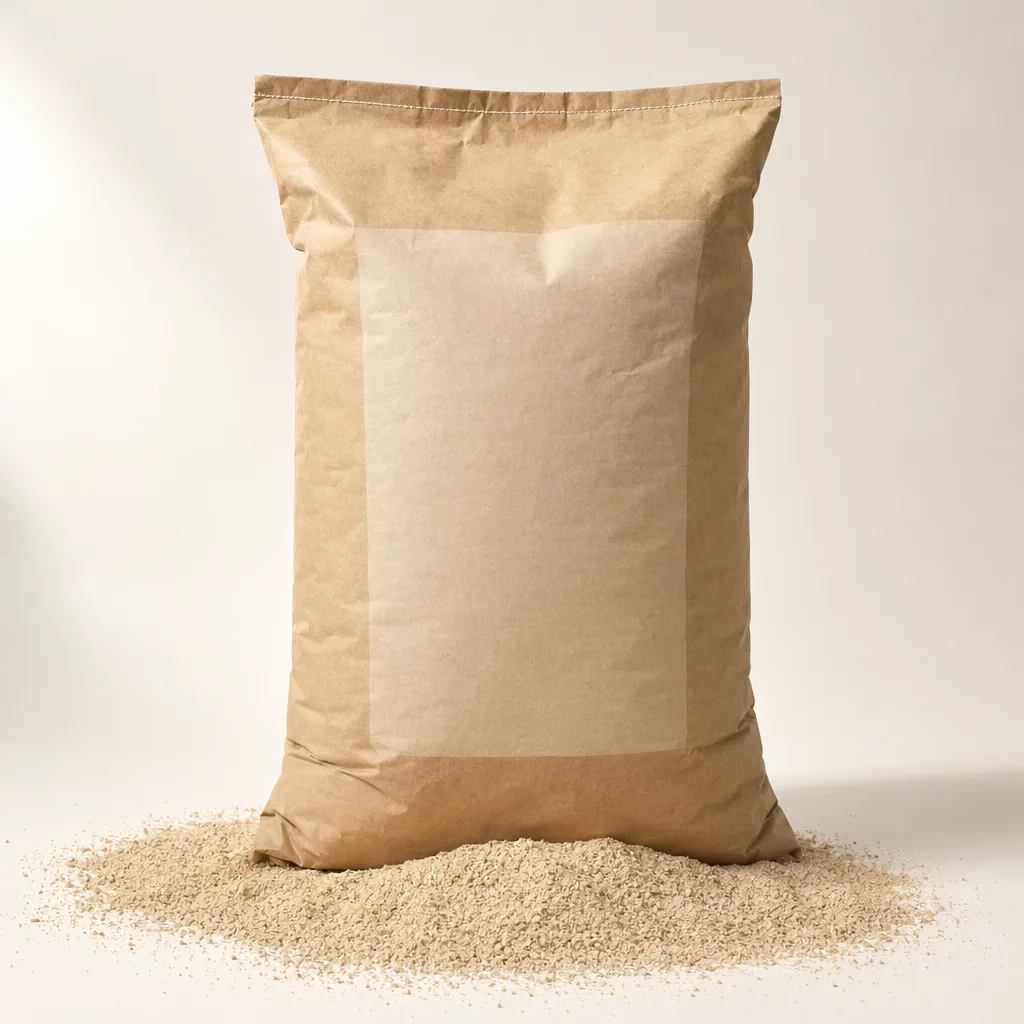
Industrial Alpha-Amylase Enzyme for Starch Processing
Industrial enzyme — α- amylase for food, feed, brewing, and biotechnology processing.
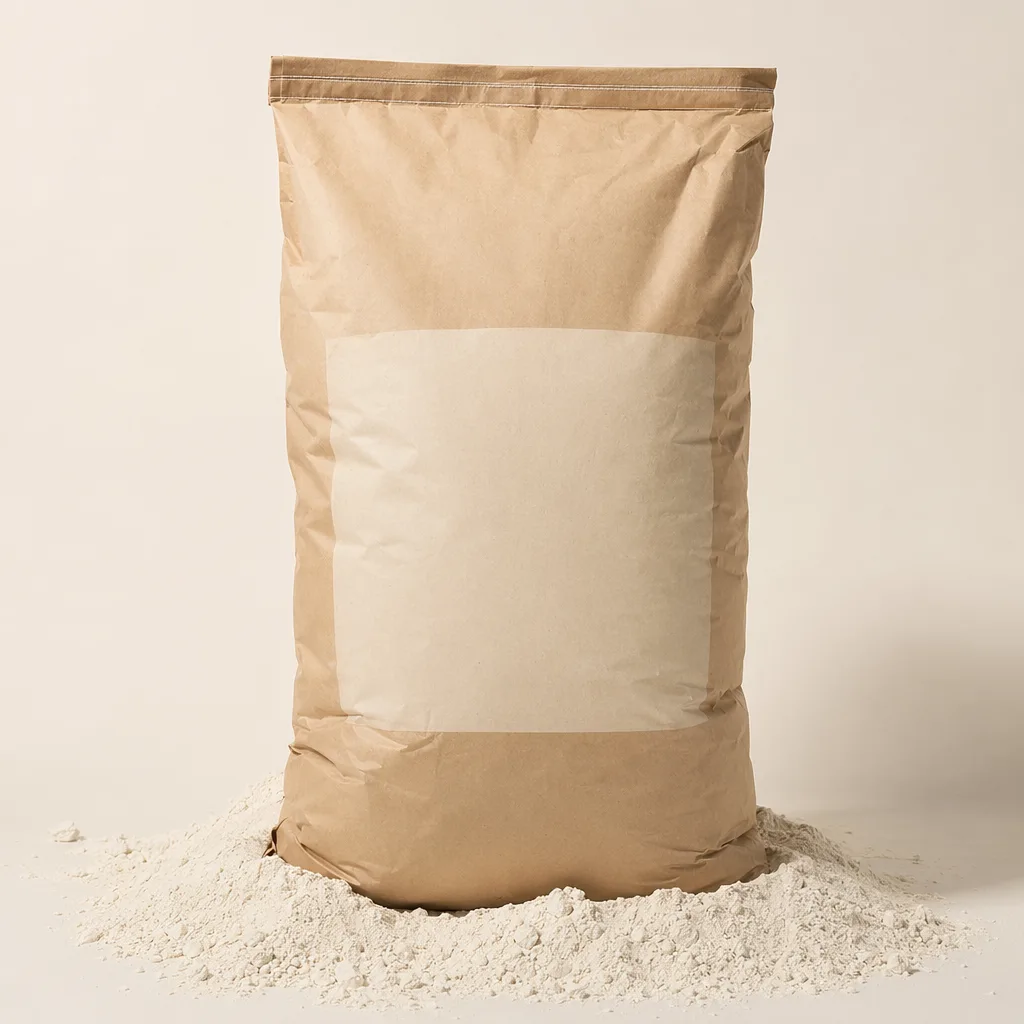
β-Glucanase Enzyme for Brewing, Baking and Feed
Industrial enzyme — β-glucanase for food, feed, brewing, and biotechnology processing.
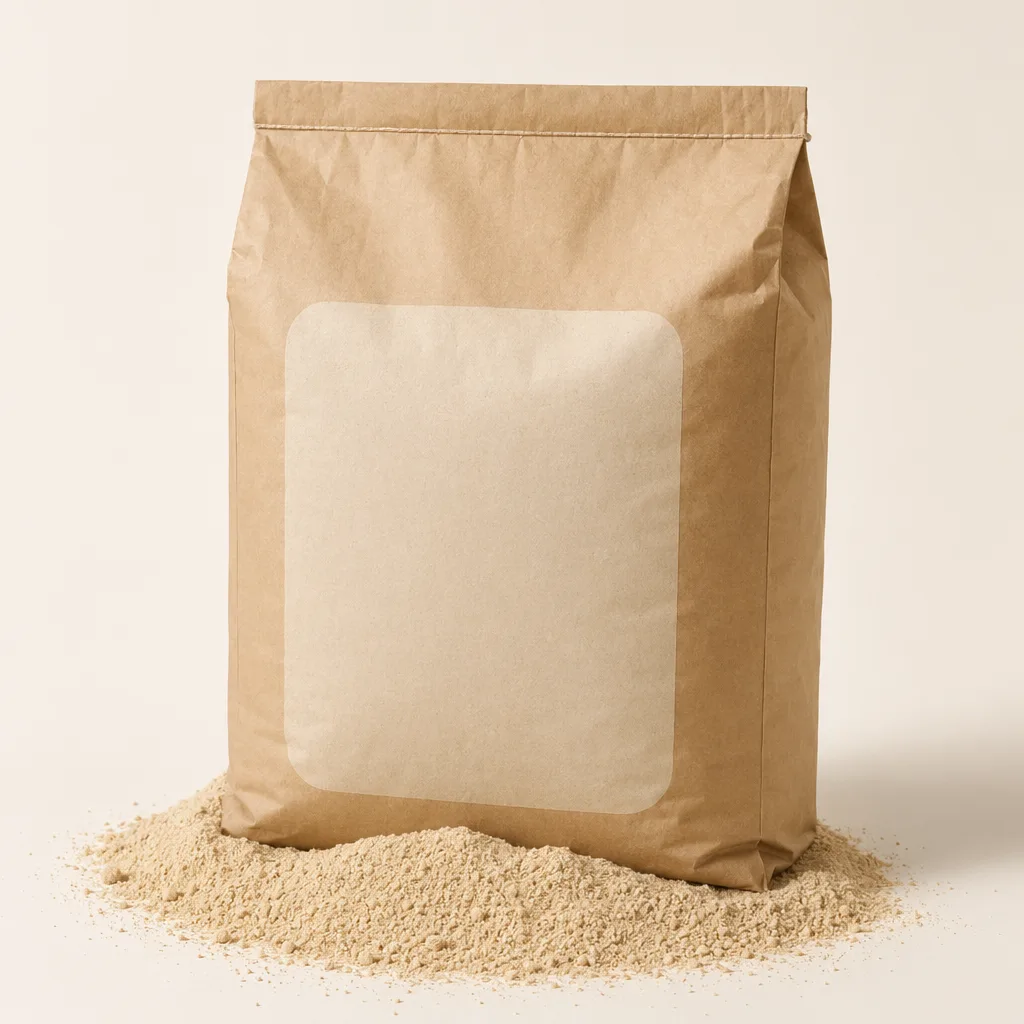
β-Mannanase Enzyme for Food, Feed, and Brewing
Industrial enzyme — β-mannanase for food, feed, brewing, and biotechnology processing.