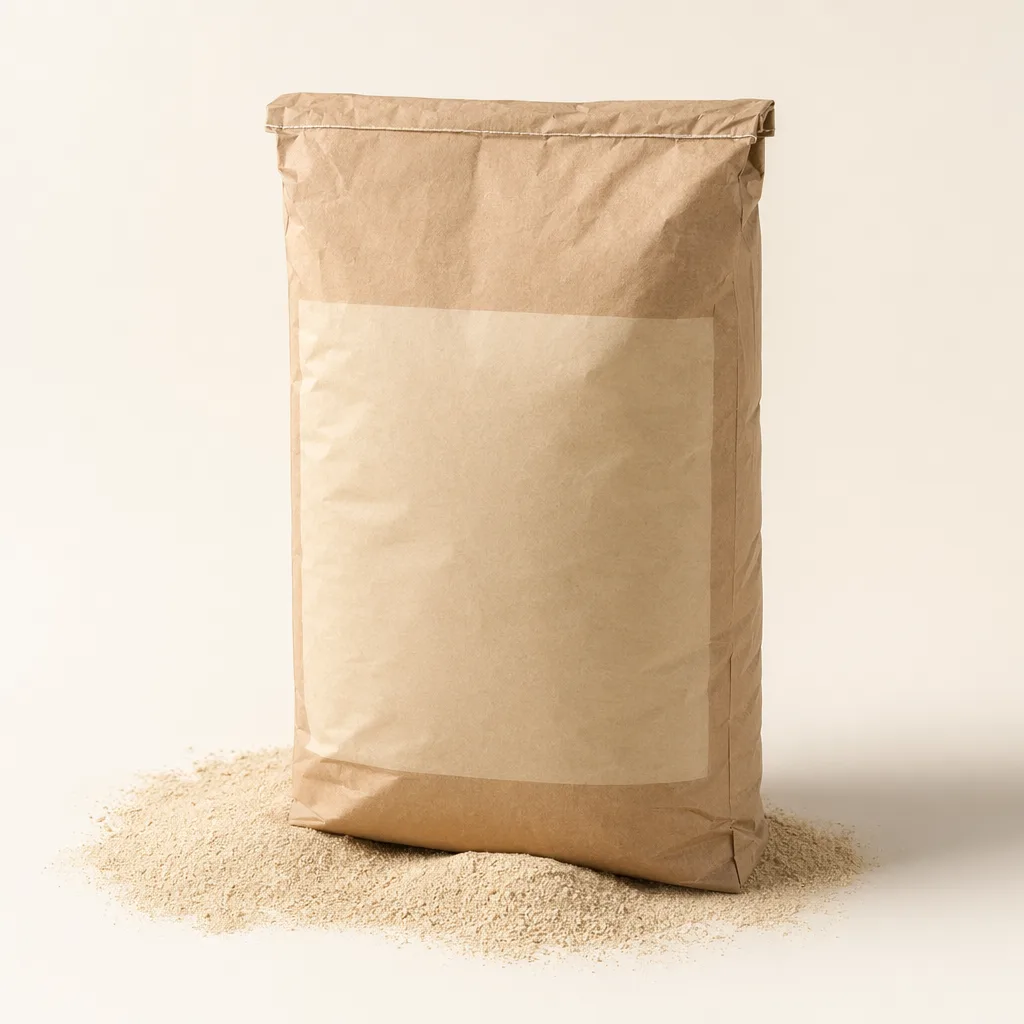
Xylanase Enzyme
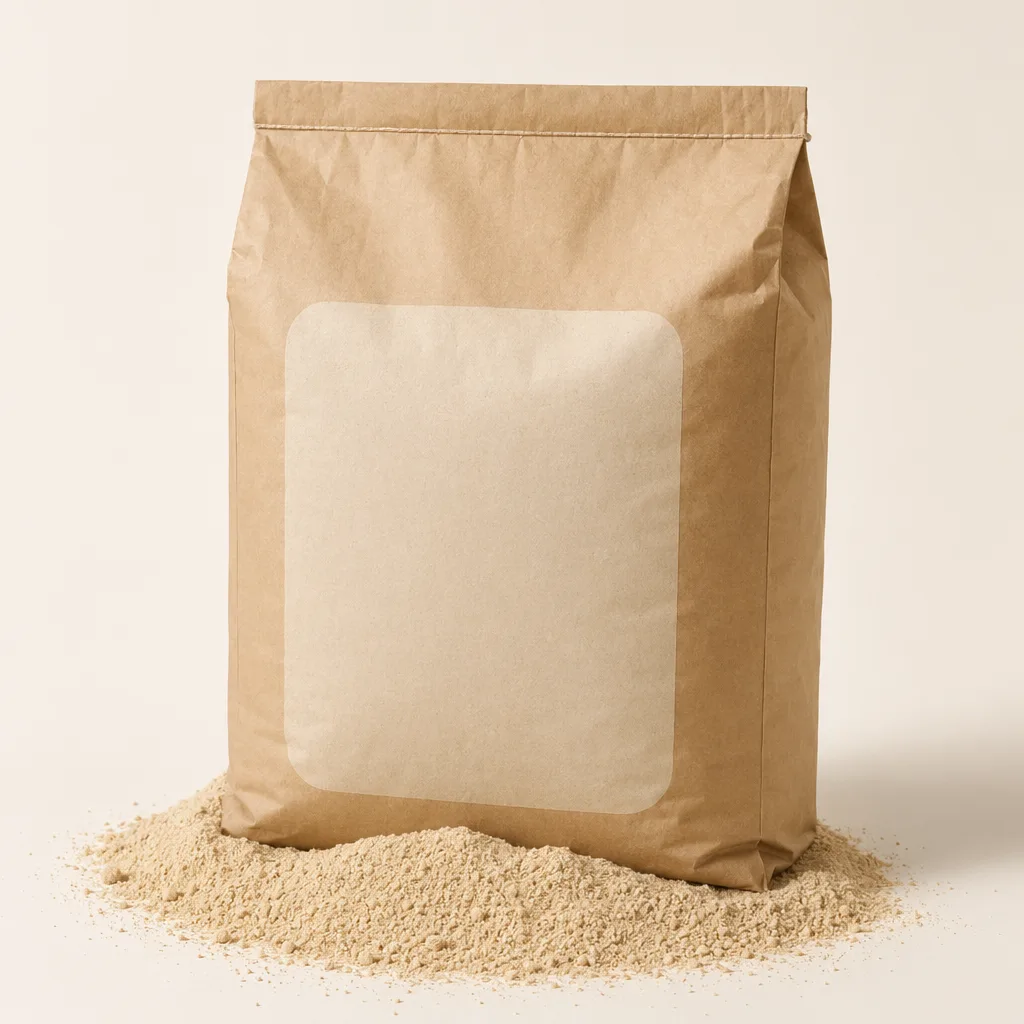
Xylanase is an industrial enzyme that hydrolyzes xylan and arabinoxylan fractions in plant materials into shorter soluble oligosaccharides. ArtemisYeast supplies ART-EN-017 in 25 kg multi-wall sacks for bakeries, breweries, feed mills, and biotechnology processors requiring consistent enzymatic performance at industrial scale. Typical grades can be specified by activity, carrier, pH profile, particle size, and regulatory documentation. Wholesale pricing on request is available for pallet, container, and recurring supply programs.
- ✓ Free worldwide shipping
- ✓ ISO-aligned manufacturing
- ✓ Certificate of Analysis on request
- ✓ Bulk & custom volumes quoted on request
Overview
ART-EN-017 xylanase is a dry industrial enzyme preparation designed for controlled degradation of non-starch polysaccharides, especially xylan-rich hemicellulose in wheat, rye, barley, corn by-products, and other cereal substrates. In baking, xylanase modifies water-unextractable arabinoxylans to improve dough machinability, gas retention, and crumb structure when dosed within the bakery’s validated formula. In brewing and cereal processing, it helps reduce mash viscosity, support extract release, and improve wort or process-stream separation. In feed applications, it is used as a carbohydrase ingredient to improve substrate utilization and pellet-process consistency.
Specification is supplied against the required use case. Common commercial activity ranges include 10,000 to 100,000 XU/g, with assay method stated on the certificate of analysis. Typical physical parameters may include light tan to brown free-flowing powder, moisture not more than 8%, particle size commonly 80 mesh pass depending on carrier, and low dust grade available for plant handling. Functional range is generally acidic to mildly acidic, often pH 4.5 to 6.5, with working temperatures commonly 35 to 60°C before heat inactivation. For related processing aids, visit enzymes and fermentation ingredients.
Applications
- Industrial bread baking: Used in pan bread, buns, rolls, frozen dough systems, wholegrain bread, and high-fiber formulations where arabinoxylan management affects water absorption, dough extensibility, and finished loaf geometry. It can be blended with yeast, emulsifiers, oxidants, or flour treatment systems after compatibility testing.
- Craft and industrial brewing: Added during mashing or cereal adjunct processing to improve beta-glucan and arabinoxylan-related filtration behavior, especially in wheat beer, rye beer, high-adjunct beer, and viscous cereal mashes. Breweries should validate dosage against grist composition, mash temperature, and lautering targets.
- Animal feed and livestock nutrition: Incorporated into premixes or compound feed for poultry, swine, and ruminant programs using wheat, rye, barley, or by-products with high soluble non-starch polysaccharides. Heat-stable or coated grades can be requested for pelleting lines.
- Food and biotechnology processing: Applied in cereal extraction, plant fiber modification, beverage clarification support, and biomass pretreatment where xylan reduction is required as a processing step. Request a technical review through bulk quote on request with target substrate, pH, temperature, and residence time.
Storage and Handling
Store sealed sacks in a dry, clean, and ventilated warehouse at 5 to 25°C, away from direct sunlight, condensation, and strong odors. Keep packaging closed after opening and use promptly to minimize moisture uptake and activity loss. Typical shelf life is 12 months from manufacture when stored in original unopened packaging; extended dating may be available for selected grades and must be confirmed on the product CoA. Avoid prolonged exposure to high humidity or temperatures above 30°C.
As with all powdered enzyme preparations, avoid generating airborne dust. Operators should use local exhaust ventilation and appropriate personal protective equipment, including gloves, eye protection, and a suitable dust mask or respirator according to the site safety assessment. ART-EN-017 is supplied in 25 kg multi-wall sacks suitable for palletized export. Packaging, pallet pattern, liner, and private label documentation requirements can be reviewed before order confirmation.
Quality and Documentation
ArtemisYeast supports procurement teams with specification matching, lot traceability, and export documentation for ART-EN-017. Manufacturing and packing routes are selected for industrial enzyme supply, with HACCP-aligned controls and food or feed documentation available where applicable. Available documents may include certificate of analysis, product specification sheet, safety data sheet, allergen statement, non-GMO statement where applicable, Halal or Kosher documentation where available, and ISO 22000 or FSSC 22000 documentation where available. Certification status must be confirmed by lot and production site.
Quality review should include activity assay method, carrier composition, country of origin, microbiological limits, heavy metal limits, and intended-use declaration. ArtemisYeast can align shipment documentation with importer requirements, including commercial invoice, packing list, bill of lading, and certificate of origin when required. For quality systems and documentation workflows, see quality and documentation support. Wholesale pricing on request is provided after confirming grade, activity, packaging, destination port, and annual volume forecast.
Storage & Handling
Refer to the CoA for product-specific storage conditions. Ship cold-chain where required.
Quality & Documentation
Manufactured under ISO-aligned quality management systems. Full documentation — Certificate of Analysis (CoA), Material Safety Data Sheet (MSDS), formulation summary, and stability data — is available on request. Email info@artemisyeast.com with the SKU.
About this product
01 What is the typical shelf life?
02 Do you offer documentation (CoA, food-grade declaration)?
03 What is the minimum order quantity?
04 Is bulk pricing available?
05 How is this product shipped internationally?
More from Enzymes & Fermentation Inputs
Protein and Nucleic Acid Processing Enzyme Powder
Industrial enzyme — protein & nucleic acid processing for food, feed, brewing, and biotechnology processing.
Industrial Alpha-Amylase Enzyme for Starch Processing
Industrial enzyme — α- amylase for food, feed, brewing, and biotechnology processing.
β-Glucanase Enzyme for Brewing, Baking and Feed
Industrial enzyme — β-glucanase for food, feed, brewing, and biotechnology processing.
β-Mannanase Enzyme for Food, Feed, and Brewing
Industrial enzyme — β-mannanase for food, feed, brewing, and biotechnology processing.