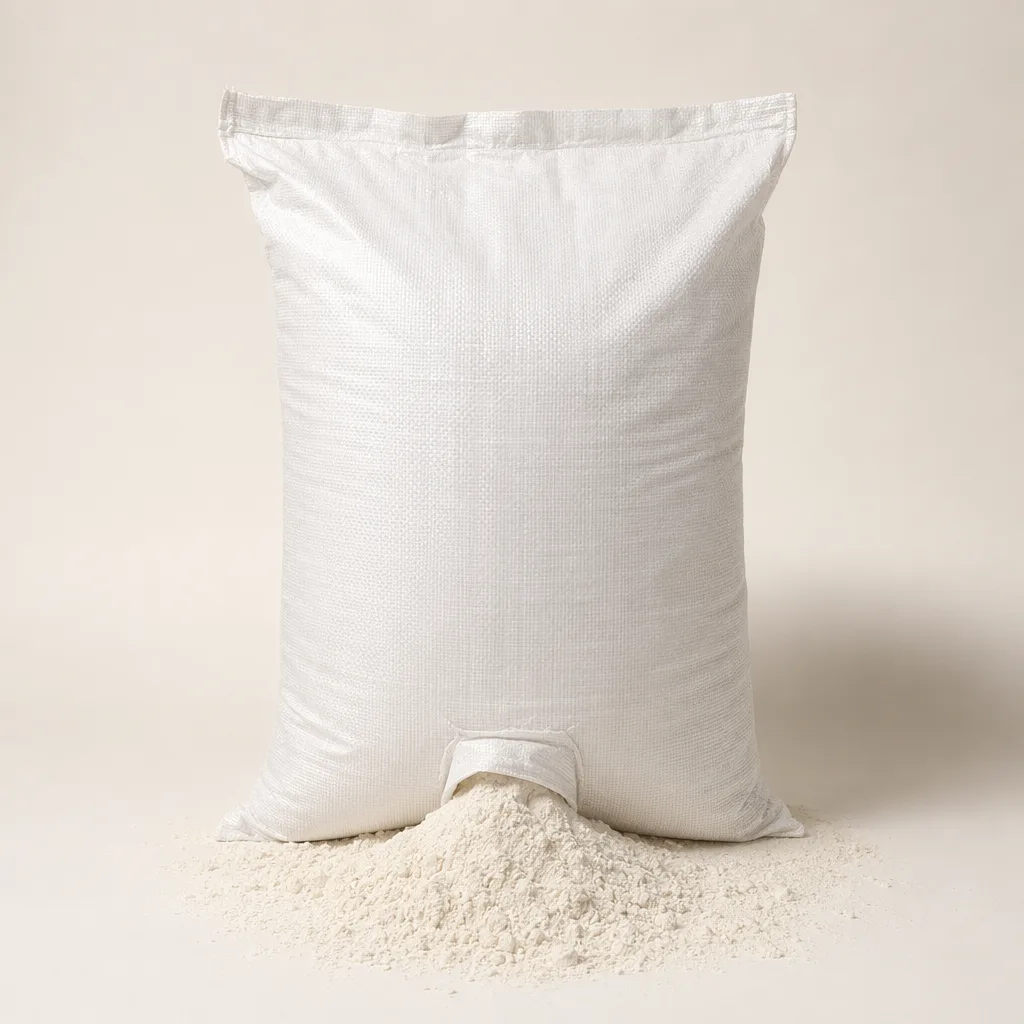
Yeast Beta-Glucan for Animal Feed
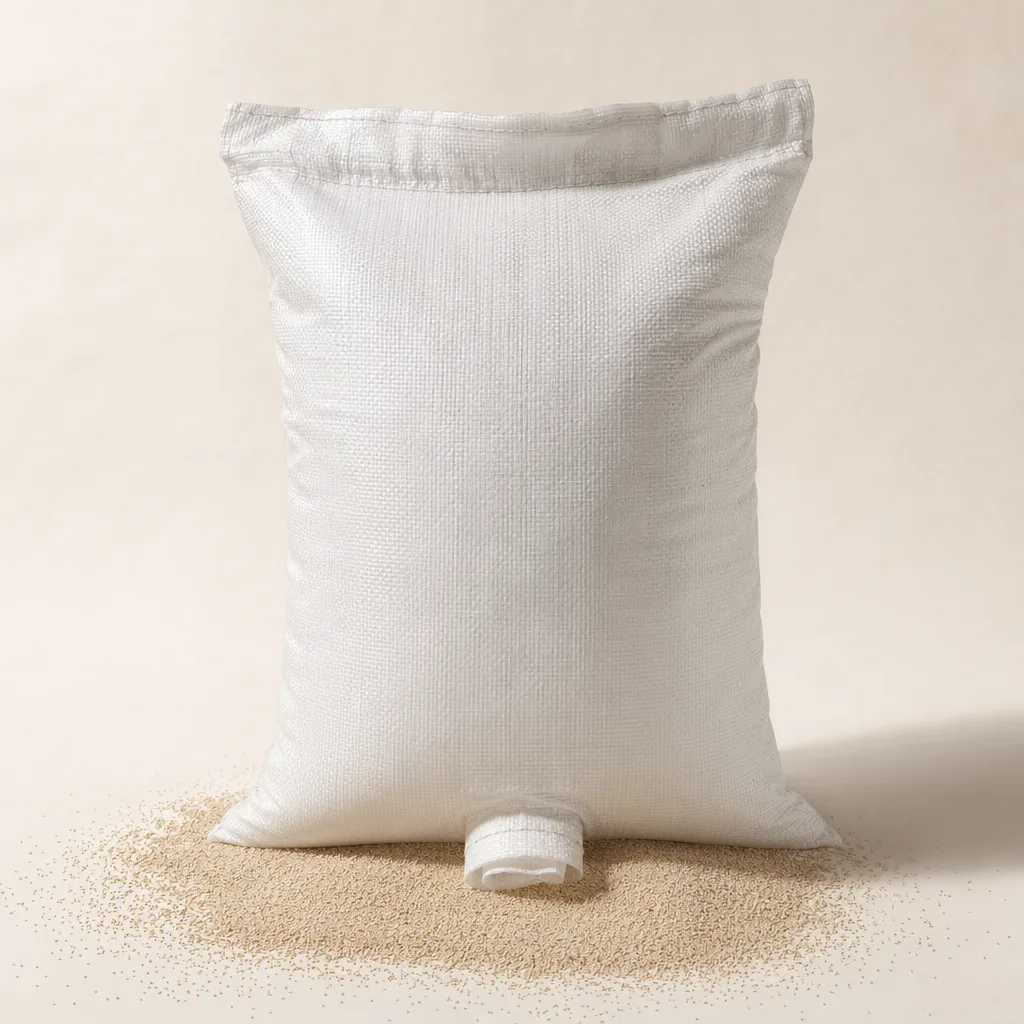
Yeast beta-glucan for animal feed is a concentrated Saccharomyces cerevisiae cell-wall fraction standardized for beta-1,3/1,6-glucan content in livestock, poultry, aquaculture, and companion animal diets. ArtemisYeast supplies ART-AN-061 in 25 kg woven polypropylene feed sacks for premix plants, integrators, feed mills, and nutrition formulators. This product is inquiry-only, with wholesale pricing on request for pallet, container, and recurring contract volumes.
- ✓ Free worldwide shipping
- ✓ ISO-aligned manufacturing
- ✓ Certificate of Analysis on request
- ✓ Bulk & custom volumes quoted on request
Overview
ART-AN-061 is a feed-grade yeast beta-glucan ingredient produced from selected yeast cell-wall material and processed into a free-flowing beige to light tan powder. The functional fraction is mainly beta-1,3/1,6-glucan, a structural polysaccharide used by animal nutrition teams as a defined yeast-derived fiber ingredient in complete feeds, milk replacers, premixes, mineral blends, and specialty concentrates. It is non-live and is not specified by CFU/g.
Typical specification targets include beta-glucan 60-80% on dry basis, moisture not more than 8.0%, crude protein not more than 10.0%, ash not more than 8.0%, and particle size of 90% passing 80 mesh, with tighter parameters available by lot review. Microbiological limits commonly include Salmonella absent in 25 g and controlled yeast, mold, and coliform counts according to feed-grade purchase specifications. For adjacent ingredients, see our animal nutrition yeast category.
Applications
- Swine nutrition: inclusion in nursery, grower, finisher, and sow premixes where a standardized yeast cell-wall beta-glucan source is preferred over variable whole-cell yeast materials.
- Poultry and layer feeds: suitable for broiler, layer, breeder, and turkey feed formulations that require a low-moisture, heat-tolerant powder compatible with pelleting and mash feed production.
- Ruminant programs: used in calf starter, dairy, beef, and small ruminant concentrates as part of yeast-derived functional fiber strategies and specialty additive blends.
- Aquaculture feeds: applicable in extruded or pelleted fish and shrimp diets when nutritionists need a defined beta-glucan input with stable dry handling characteristics.
- Pet food and specialty premixes: used by formulators seeking a Saccharomyces-derived beta-glucan ingredient for dry blends, extruded kibble systems, and nutritional supplements for non-human applications.
- Feed manufacturing: suitable for dosing through micro-ingredient systems when validated for local flow behavior; recommended use rates are set by the nutritionist according to species, life stage, and finished-feed claims.
Storage and Handling
Store ART-AN-061 in the original sealed 25 kg woven polypropylene feed sack in a clean, dry, odor-free warehouse away from direct sunlight, condensation, pests, and incompatible chemicals. Recommended storage temperature is below 25°C where practical, with relative humidity controlled to protect powder flow and assay stability. Under recommended storage, typical shelf life is 24 months from manufacture, subject to the lot-specific certificate of analysis and local regulatory requirements.
After opening, reseal inner liners promptly and use first-in, first-out inventory rotation. Avoid prolonged exposure to humid air because beta-glucan powders can absorb moisture and form agglomerates. The product may be handled with standard feed-plant dust controls, including local extraction, enclosed transfer, and appropriate personal protective equipment. For contract supply planning, submit projected monthly usage through request a bulk quote so packaging, lead time, and shipping lane can be confirmed.
Quality and Documentation
ArtemisYeast supplies ART-AN-061 for B2B feed manufacturing with lot traceability and specification-based release. Each shipment can be supported by a certificate of analysis showing key physical, chemical, and microbiological parameters. Typical documentation available on request includes CoA, product specification sheet, safety data sheet, non-GMO statement where applicable, feed-grade declaration, allergen statement, country-of-origin information, and packing list.
Manufacturing and supply-chain documentation may include HACCP-aligned controls and food/feed safety system evidence such as ISO 22000, FSSC 22000, Halal, or Kosher documentation where available for the relevant production site and lot. ArtemisYeast recommends pre-shipment document review for regulated markets, species-specific registrations, and label-sensitive applications. Procurement teams can review documentation expectations through our quality and compliance information before confirming a purchase order.
Storage & Handling
Refer to the CoA for product-specific storage conditions. Ship cold-chain where required.
Quality & Documentation
Manufactured under ISO-aligned quality management systems. Full documentation — Certificate of Analysis (CoA), Material Safety Data Sheet (MSDS), formulation summary, and stability data — is available on request. Email info@artemisyeast.com with the SKU.
About this product
01 What is the typical shelf life?
02 Do you offer documentation (CoA, food-grade declaration)?
03 What is the minimum order quantity?
04 Is bulk pricing available?
05 How is this product shipped internationally?
More from Animal Nutrition Yeast
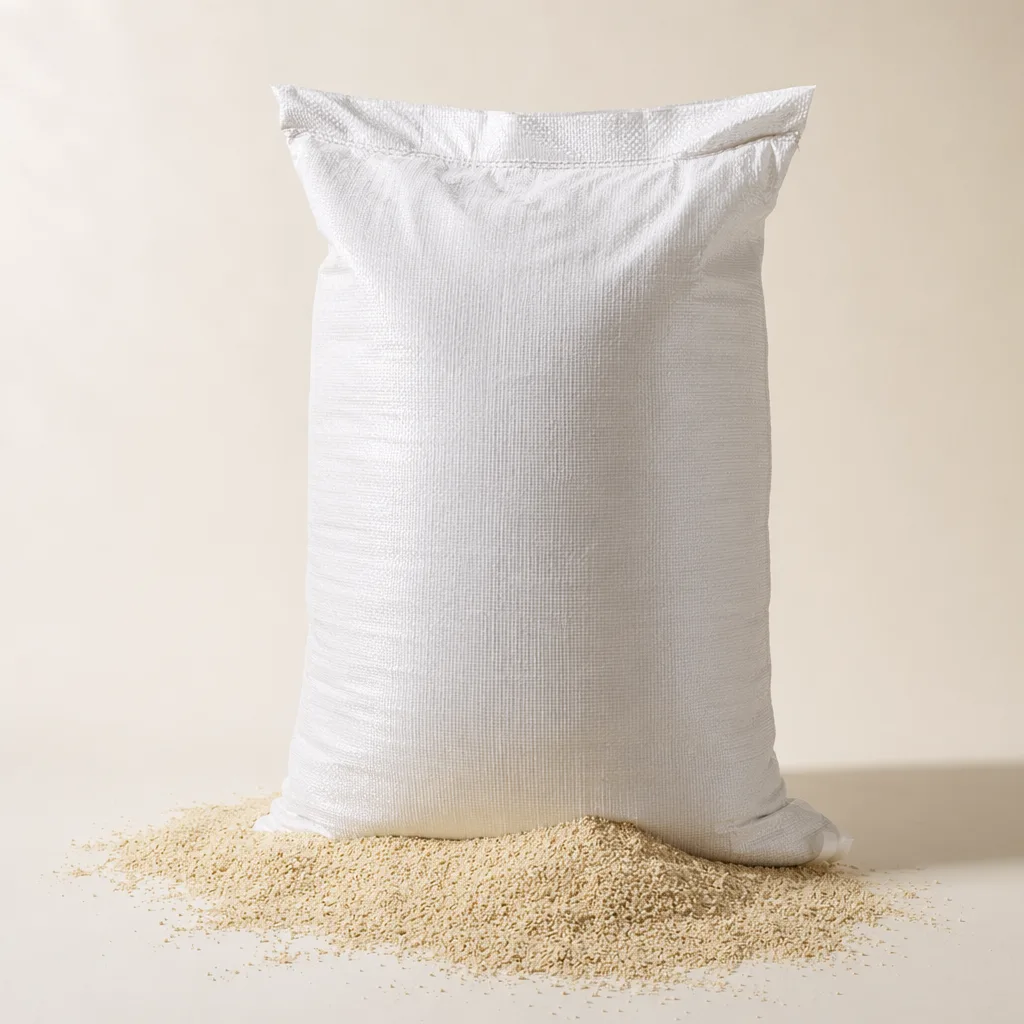
Feed-Grade Yeast Cell Wall for Animal Nutrition
Feed-grade yeast cell wall for livestock, poultry, ruminant, swine, and aquaculture nutrition.
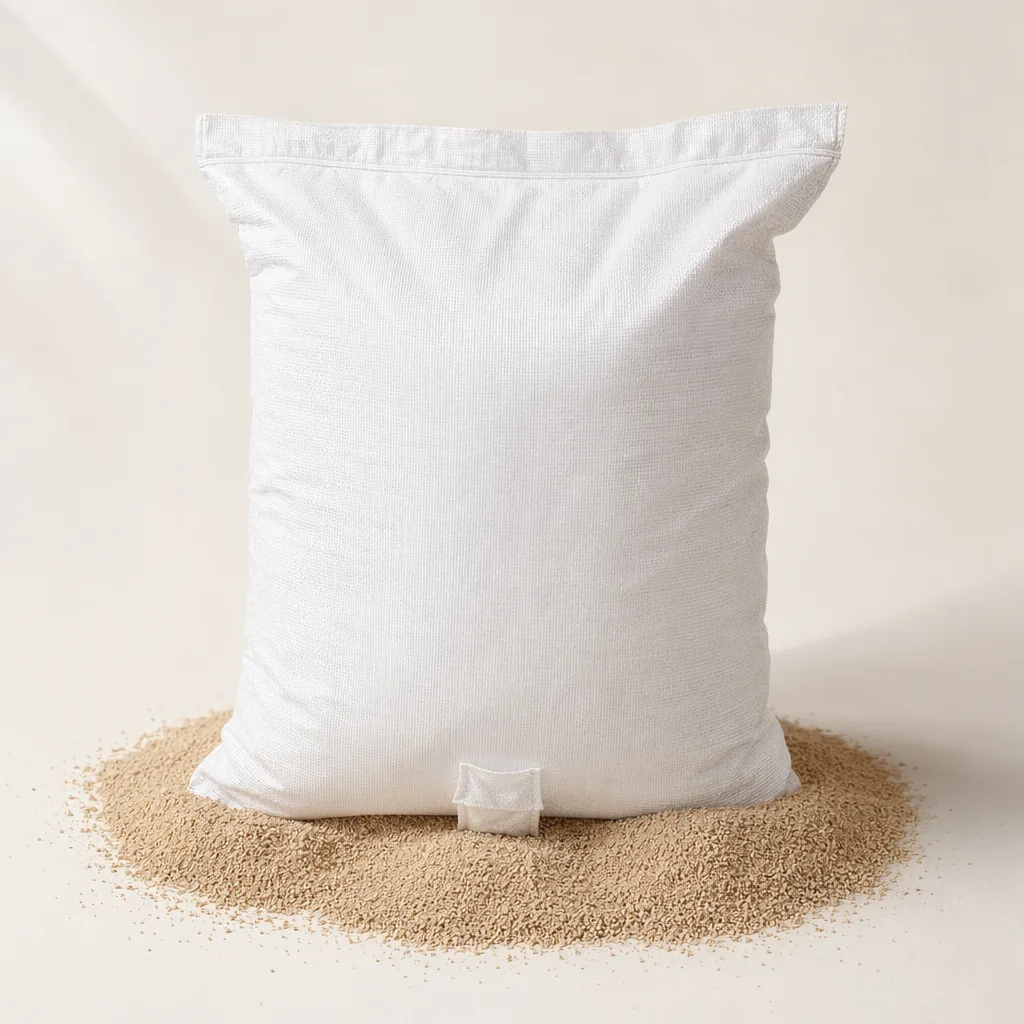
Feed Yeast AGP Alternative for Animal Nutrition
Feed-grade antibiotic(agps) alternative for livestock, poultry, ruminant, swine, and aquaculture nutrition.
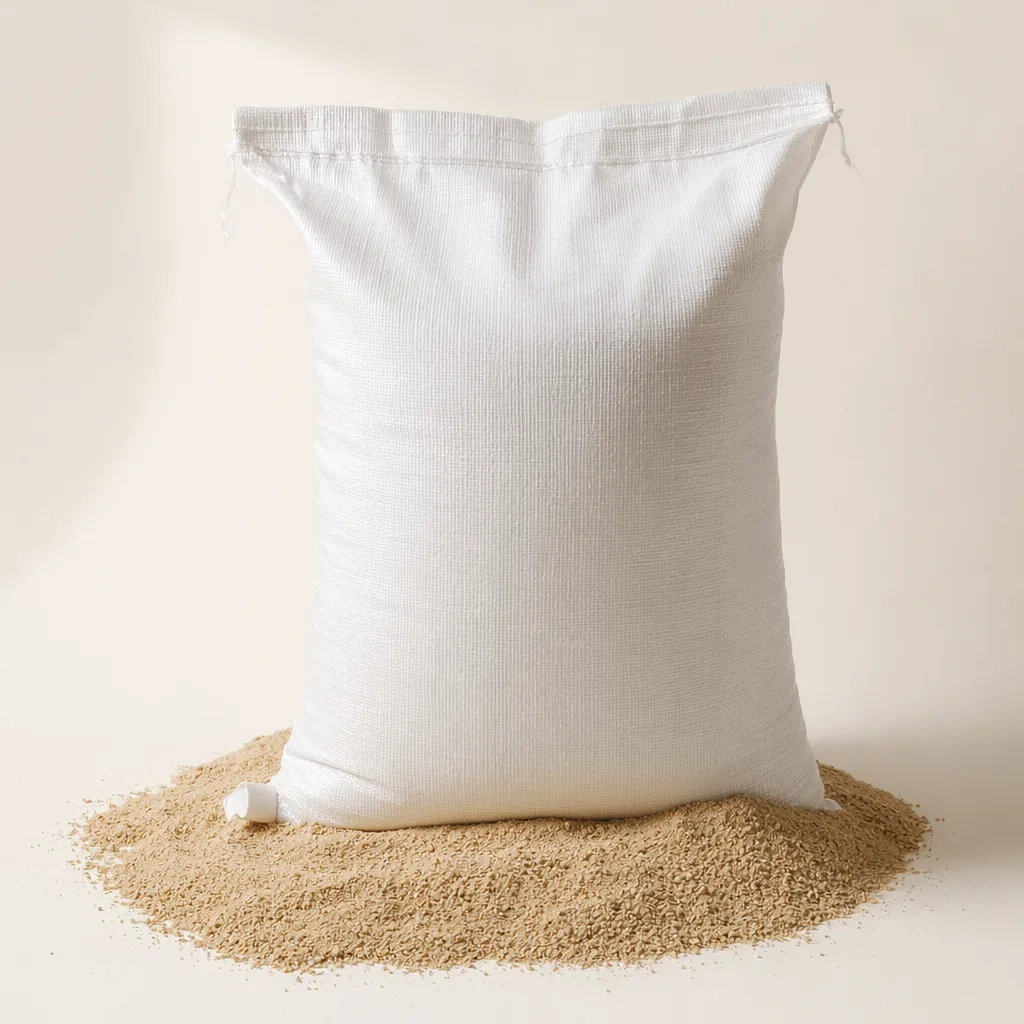
Feed-Grade Mycotoxin Binder for Animal Nutrition
Feed-grade mycotoxin binder for livestock, poultry, ruminant, swine, and aquaculture nutrition.
Ruminant Active Dry Yeast for Animal Feed
Feed-grade r+ active dry yeast ruminant for livestock, poultry, ruminant, swine, and aquaculture nutrition.