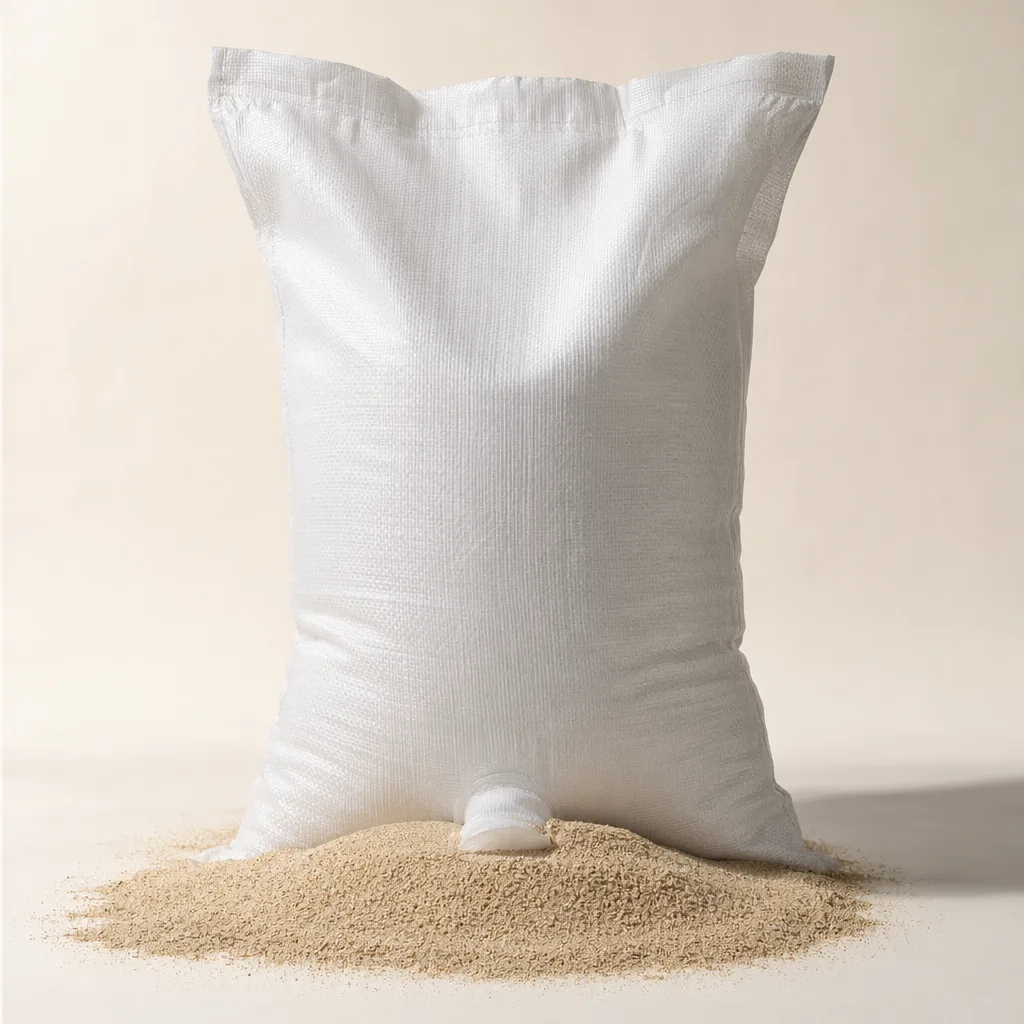
Feed-Grade Yeast Culture
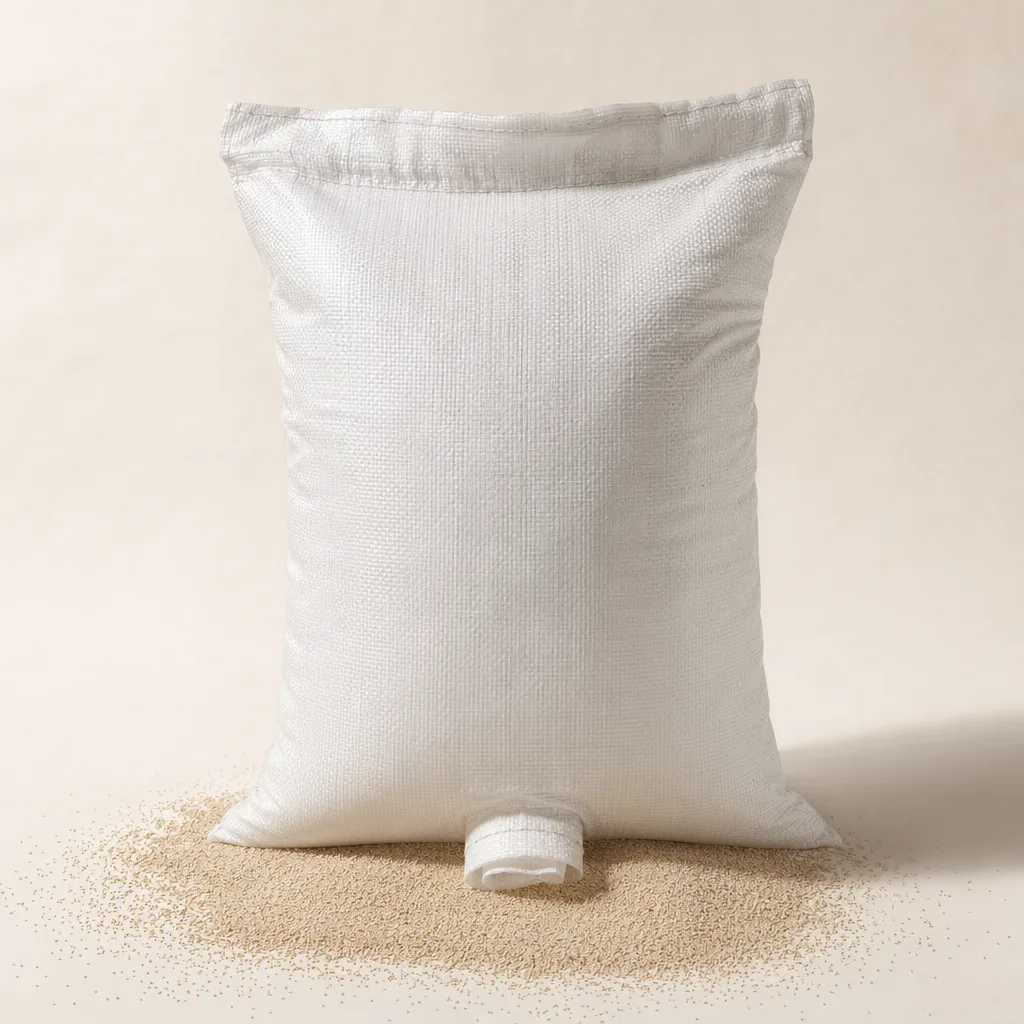
Feed-grade yeast culture is a fermented yeast-based animal nutrition ingredient used in livestock, poultry, ruminant, swine, and aquaculture feeds. ART-AN-075 is supplied for compound feed mills, premix plants, integrators, and aquafeed manufacturers requiring a consistent yeast fermentation product in 25 kg woven polypropylene feed sacks. ArtemisYeast supports bulk inquiry projects with specification review, export documentation, and wholesale pricing on request.
- ✓ Free worldwide shipping
- ✓ ISO-aligned manufacturing
- ✓ Certificate of Analysis on request
- ✓ Bulk & custom volumes quoted on request
Overview
ART-AN-075 feed-grade yeast culture is produced from yeast fermentation on selected feed carriers, then dried and milled for use in complete feeds, premixes, concentrates, and top-dress applications. The product contains yeast cells, yeast cell wall fractions, fermentation metabolites, peptides, B-complex nutritional factors naturally associated with yeast, and residual fermented substrate. It is designed for animal nutrition formulation where nutritionists need a stable, dispersible yeast culture rather than a bakery or brewing yeast.
Typical specification targets include tan to light-brown powder or granule appearance, characteristic fermented yeast odor, moisture ≤10.0%, crude protein ≥18.0%, ash ≤12.0%, and particle size commonly 20–60 mesh, with customized screening available by lot confirmation. Yeast cell wall polysaccharides are typically in the 8–15% range, with beta-glucan commonly 3–6% and mannan oligosaccharides commonly 2–5%, depending on production lot and analytical method. Where a live-count specification is required, viable yeast can be quoted against a target such as ≥1×10^9 CFU/g, subject to the selected grade and shelf-life terms. Related yeast ingredients are listed under animal nutrition yeast.
Applications
- Ruminant feed: Used in dairy, beef, sheep, and goat rations to support formulation objectives related to intake consistency, fiber-utilizing microbial activity, and ration uniformity. Typical inclusion is adjusted by species, forage level, and premix design.
- Swine feed: Suitable for sow, nursery, grower, and finisher diets where yeast culture is included as a functional fermentation ingredient, often alongside minerals, organic acids, protein meals, and vitamin premixes.
- Poultry feed: Applied in broiler, layer, breeder, duck, and turkey formulations as a yeast-derived nutritional component with good blending performance in mash, crumble, and pellet feed systems.
- Aquaculture feed: Used in fish and shrimp feed as a fermentation-derived ingredient for palatability support, nutritional diversity, and pelleted or extruded feed inclusion. Confirm water stability and extrusion parameters during plant trials.
- Premix and concentrate manufacturing: Can be blended into carrier-based premixes, mineral blocks, concentrates, and custom farm packs. Request a bulk quote on request with target inclusion rate, species, destination, and packaging preference.
Storage and Handling
Store ART-AN-075 in its original 25 kg woven polypropylene feed sack in a cool, dry, ventilated warehouse away from direct sunlight, condensation, and strong odors. Recommended storage is below 25°C with relative humidity controlled where practical. Keep pallets off the floor and away from walls to reduce moisture pickup. After opening, reseal unused material promptly and use within a short operating window according to plant hygiene procedures.
Typical shelf life is 12 months from production date under unopened, dry storage conditions. For grades carrying a viable yeast count, heat, humidity, extended transit time, and pelleting temperature can reduce count; validate the selected grade against conditioning temperature and residence time. Use standard dust-control and feed-ingredient handling practices, including local exhaust ventilation where powders are transferred at high volume.
Quality and Documentation
ArtemisYeast supplies ART-AN-075 for B2B feed and aquaculture manufacturing with lot-based traceability and procurement documentation. A certificate of analysis can be provided for agreed parameters such as appearance, moisture, crude protein, ash, microbiological indicators, heavy metals, and other contracted tests. Typical safety controls include HACCP-aligned manufacturing review and feed-grade production records; ISO 22000, FSSC 22000, Halal, Kosher, and other documents may be available for review where applicable to the producing site and lot.
Before shipment, buyers may request specification sheets, safety data information, allergen or GMO-status statements where available, country-of-origin details, packing photos, and export paperwork. Visit quality and documentation to understand ArtemisYeast review processes, or submit required limits for a contract specification check.
Storage & Handling
Refer to the CoA for product-specific storage conditions. Ship cold-chain where required.
Quality & Documentation
Manufactured under ISO-aligned quality management systems. Full documentation — Certificate of Analysis (CoA), Material Safety Data Sheet (MSDS), formulation summary, and stability data — is available on request. Email info@artemisyeast.com with the SKU.
About this product
01 What is the typical shelf life?
02 Do you offer documentation (CoA, food-grade declaration)?
03 What is the minimum order quantity?
04 Is bulk pricing available?
05 How is this product shipped internationally?
More from Animal Nutrition Yeast
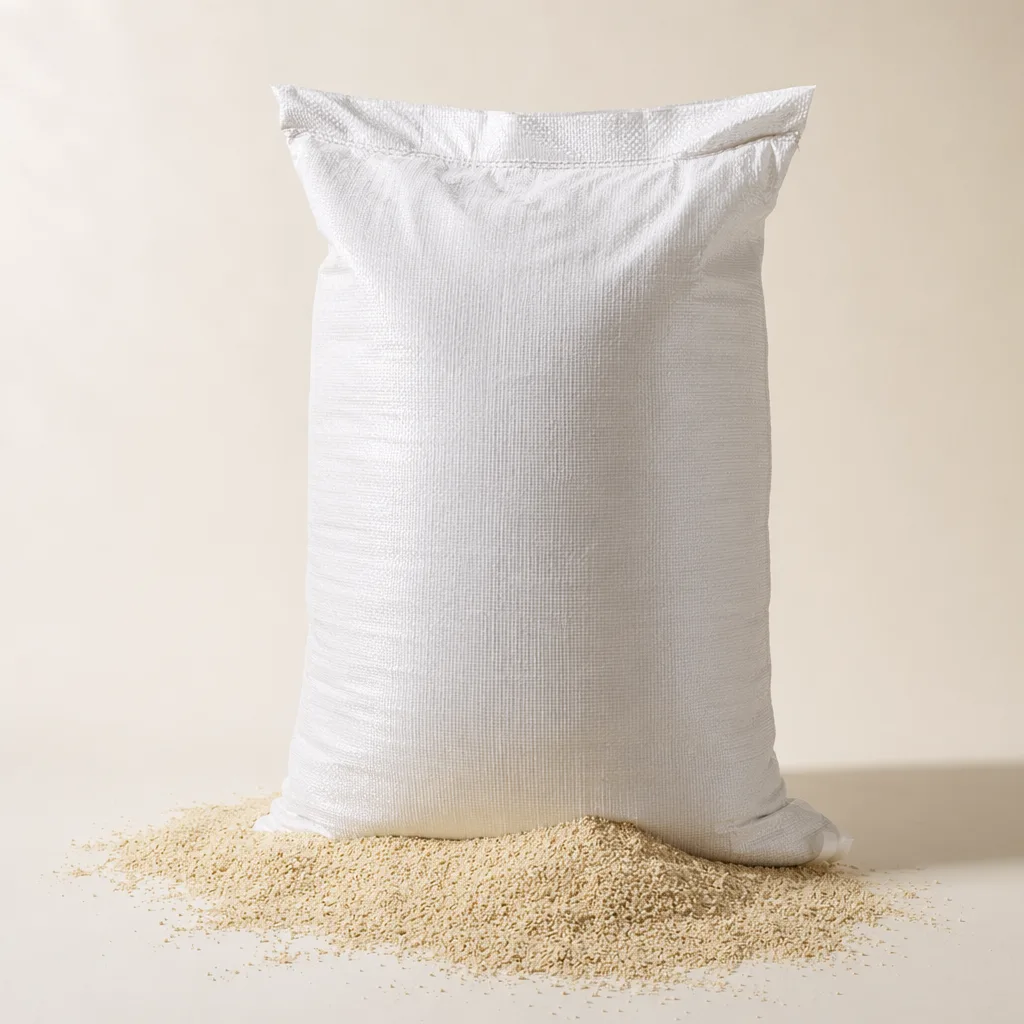
Feed-Grade Yeast Cell Wall for Animal Nutrition
Feed-grade yeast cell wall for livestock, poultry, ruminant, swine, and aquaculture nutrition.
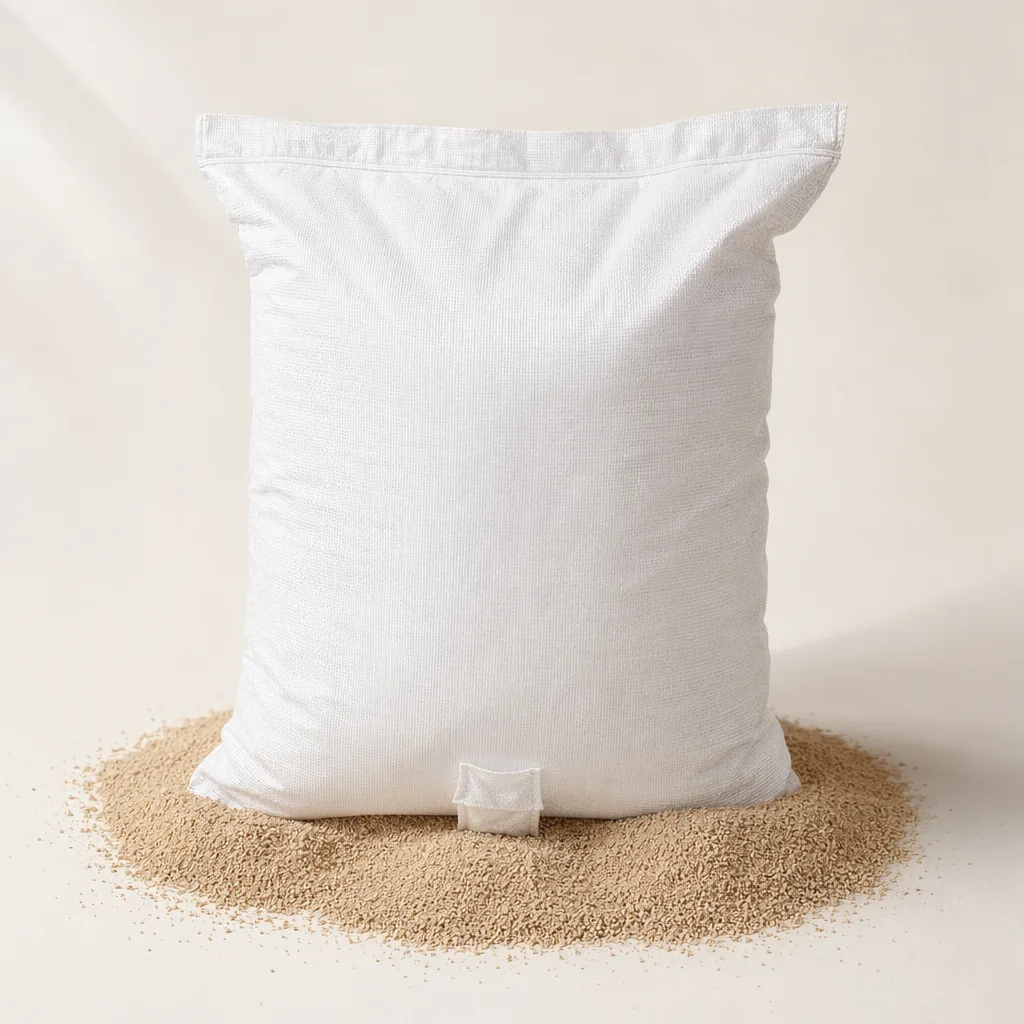
Feed Yeast AGP Alternative for Animal Nutrition
Feed-grade antibiotic(agps) alternative for livestock, poultry, ruminant, swine, and aquaculture nutrition.
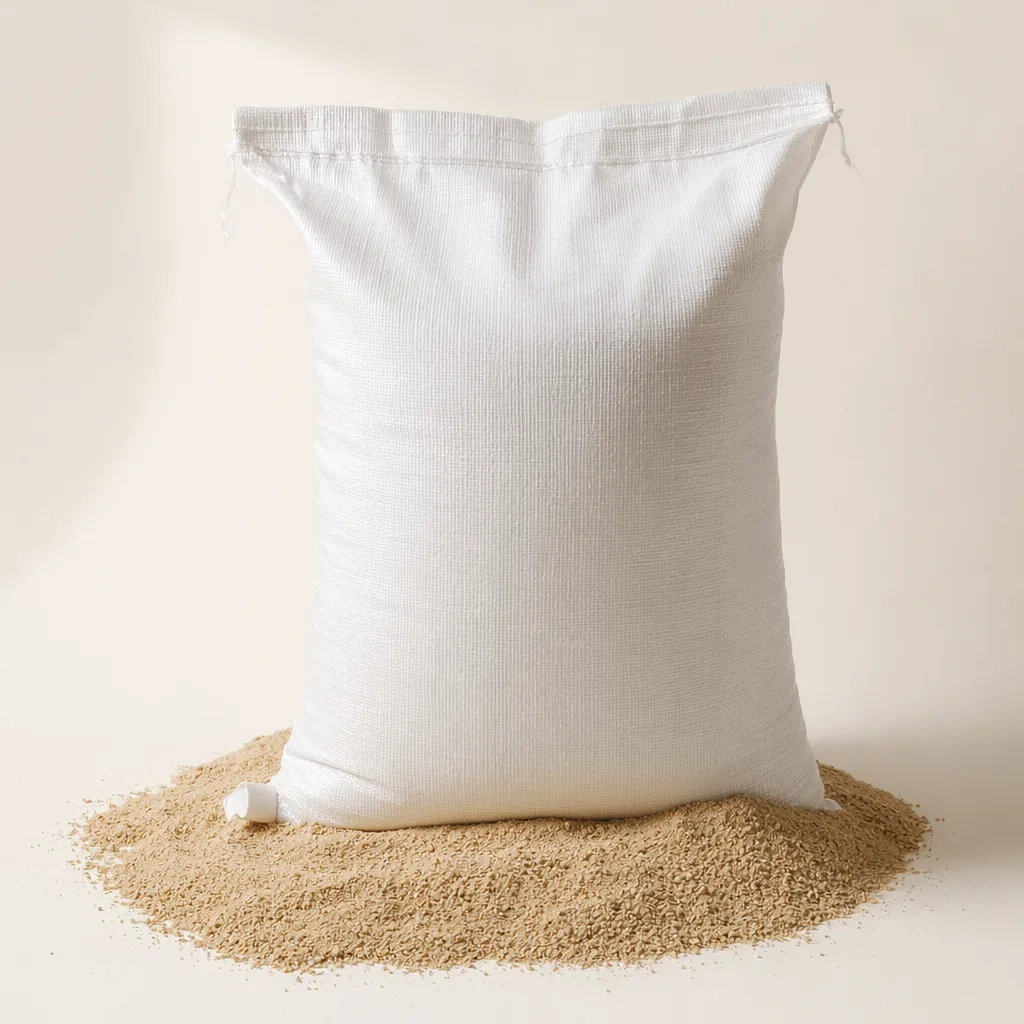
Feed-Grade Mycotoxin Binder for Animal Nutrition
Feed-grade mycotoxin binder for livestock, poultry, ruminant, swine, and aquaculture nutrition.
Ruminant Active Dry Yeast for Animal Feed
Feed-grade r+ active dry yeast ruminant for livestock, poultry, ruminant, swine, and aquaculture nutrition.