
Yeast Glycoprotein for Animal Feed
Yeast glycoprotein for animal feed is a feed-grade yeast-derived matrix containing mannoproteins, beta-glucans, peptides, and cell-wall carbohydrates for livestock and aquaculture formulations. ArtemisYeast supplies ART-AN-097 in 25 kg woven polypropylene feed sacks for compound feed mills, premix blenders, integrators, and nutrition companies. This product is available for international wholesale supply, with specification review, samples, and a bulk quote on request through our inquiry desk.
- ✓ Free worldwide shipping
- ✓ ISO-aligned manufacturing
- ✓ Certificate of Analysis on request
- ✓ Bulk & custom volumes quoted on request
Overview
ART-AN-097 is a yeast glycoprotein ingredient for feed applications where formulators require a consistent source of yeast cell-wall fractions and soluble yeast nutrients. The product is produced from selected yeast biomass by controlled processing to concentrate glycoprotein complexes, mannans, beta-glucans, and associated peptides. It is not positioned as a live probiotic; therefore, procurement specifications should focus on compositional markers, particle size, moisture, microbiology, and batch-to-batch uniformity rather than CFU count.
Typical specification targets include moisture not more than 10.0%, crude protein 35.0-45.0%, beta-glucan 15.0-25.0%, mannan oligosaccharide fraction 12.0-22.0%, ash not more than 8.0%, and 95% passing 40 mesh unless another granulation is agreed. The ingredient is designed for dry feed blending, premix use, and pellet-compatible formulations. For adjacent yeast feed materials, buyers can compare options in animal nutrition yeast and request specification matching for species, inclusion level, and manufacturing route.
Applications
- Poultry feed: Used in broiler, layer, breeder, and pullet formulas as a yeast cell-wall glycoprotein source. It can be included in concentrates, complete feed, or specialty premixes where uniform dispersion and low dust are important.
- Swine nutrition: Suitable for nursery, grower-finisher, and sow diets. Nutritionists commonly evaluate yeast-derived mannans, glucans, and peptides when formulating transition diets, high-density premixes, and antibiotic-reduction programs, while keeping claims focused on feed performance parameters.
- Ruminant feed: Applicable in dairy, beef, calf, sheep, and goat rations as a heat-stable yeast derivative for TMR premixes, mineral blends, and pelleted concentrates. The non-live format supports storage stability and compatibility with typical feed mill heat steps.
- Aquaculture: Can be used in shrimp, fish, and other aquatic feed systems where fine particle distribution, low moisture, and controlled insoluble fiber are required. Mesh size and water-stability behavior can be reviewed against the buyer’s extrusion or pelleting process.
- Premix and integrator programs: ART-AN-097 is supplied for private-label premixes, base formulations, and contract manufacturing. Bulk quote on request is available for container loads, repeat monthly call-offs, and annual supply planning.
Storage and Handling
The standard pack is a 25 kg woven polypropylene feed sack with inner liner, palletized or floor-loaded according to destination and buyer preference. Store unopened bags in a cool, dry, well-ventilated warehouse away from direct sunlight, standing water, strong odors, and chemical contaminants. Recommended storage temperature is below 25°C with relative humidity below 65% where practical. Under suitable dry storage, typical shelf life is 18 to 24 months from manufacture, subject to the confirmed batch CoA.
Because yeast glycoprotein is hygroscopic, opened bags should be resealed and used promptly. Operators should avoid prolonged exposure during high-humidity batching and should verify flow behavior in micro-dosing equipment before scale-up. Standard feed mill hygiene, dust control, and lot traceability procedures apply. The product is intended for feed manufacturing and is not for direct human food use.
Quality and Documentation
ArtemisYeast supplies ART-AN-097 with batch-level documentation for industrial feed procurement. A typical document set may include certificate of analysis, product specification, safety data sheet where applicable, origin statement, allergen statement, non-GMO statement when available for the production route, and microbiological test results. Parameters commonly reported include moisture, crude protein, ash, beta-glucan, mannan fraction, particle size, total plate count, yeast and mold, coliforms, Salmonella absence in a defined sample size, and heavy metals according to agreed limits.
Manufacturing and supplier controls are aligned with feed-grade HACCP principles, and documentation for ISO 22000, FSSC 22000, Halal, or Kosher may be available on request depending on plant, lot, and route. Buyers should confirm required declarations before purchase order placement. Visit quality and documentation for the general ArtemisYeast approach to traceability, testing, and export paperwork. Wholesale pricing on request is handled by SKU, annual volume, delivery term, destination port, and required documentation package.
Storage & Handling
Refer to the CoA for product-specific storage conditions. Ship cold-chain where required.
Quality & Documentation
Manufactured under ISO-aligned quality management systems. Full documentation — Certificate of Analysis (CoA), Material Safety Data Sheet (MSDS), formulation summary, and stability data — is available on request. Email info@artemisyeast.com with the SKU.
About this product
01 What is the typical shelf life?
02 Do you offer documentation (CoA, food-grade declaration)?
03 What is the minimum order quantity?
04 Is bulk pricing available?
05 How is this product shipped internationally?
More from Animal Nutrition Yeast
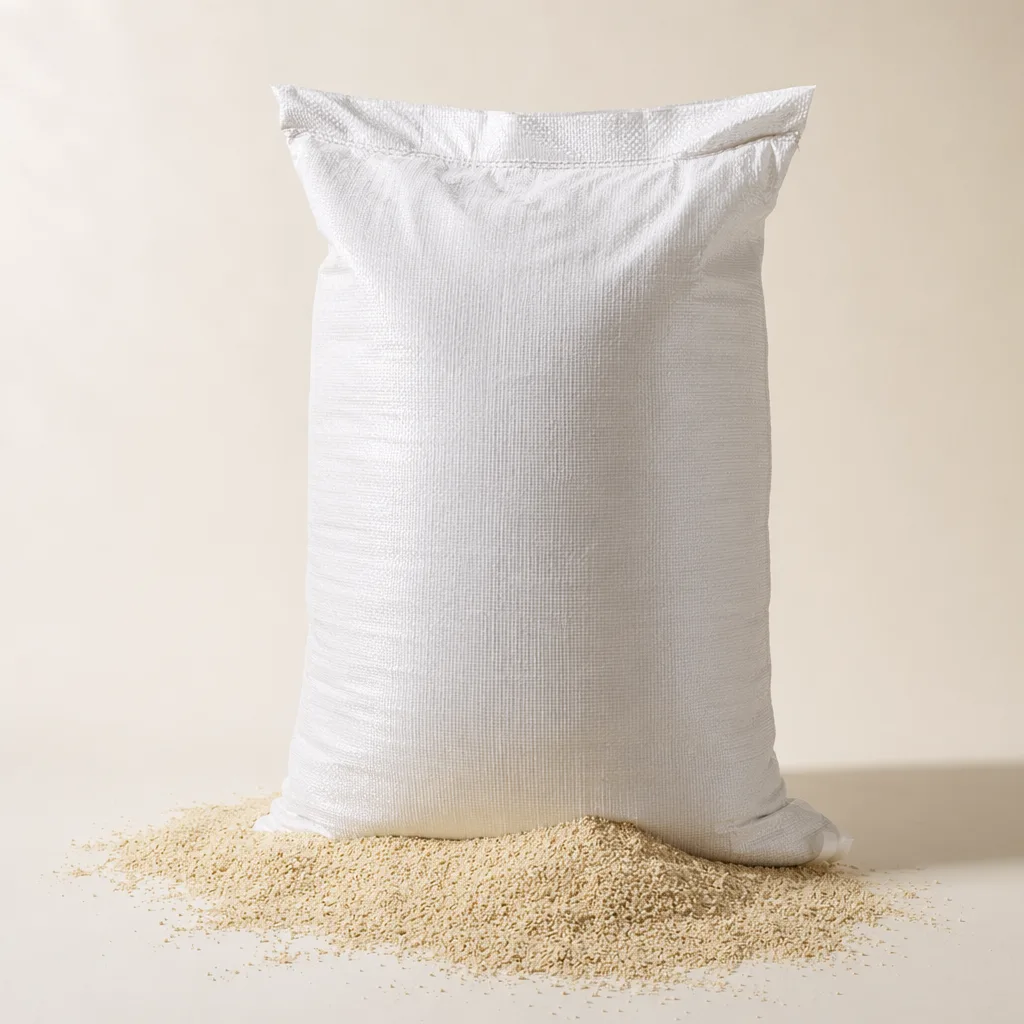
Feed-Grade Yeast Cell Wall for Animal Nutrition
Feed-grade yeast cell wall for livestock, poultry, ruminant, swine, and aquaculture nutrition.
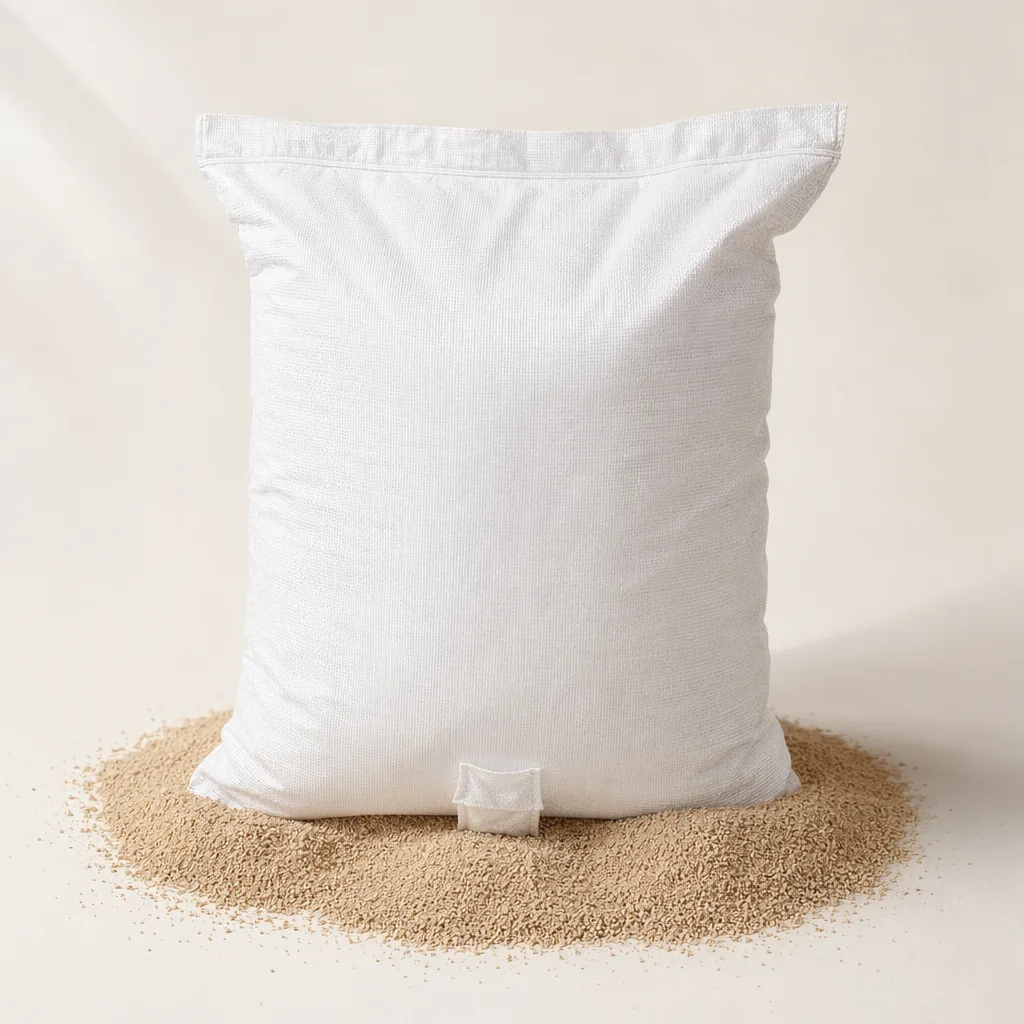
Feed Yeast AGP Alternative for Animal Nutrition
Feed-grade antibiotic(agps) alternative for livestock, poultry, ruminant, swine, and aquaculture nutrition.
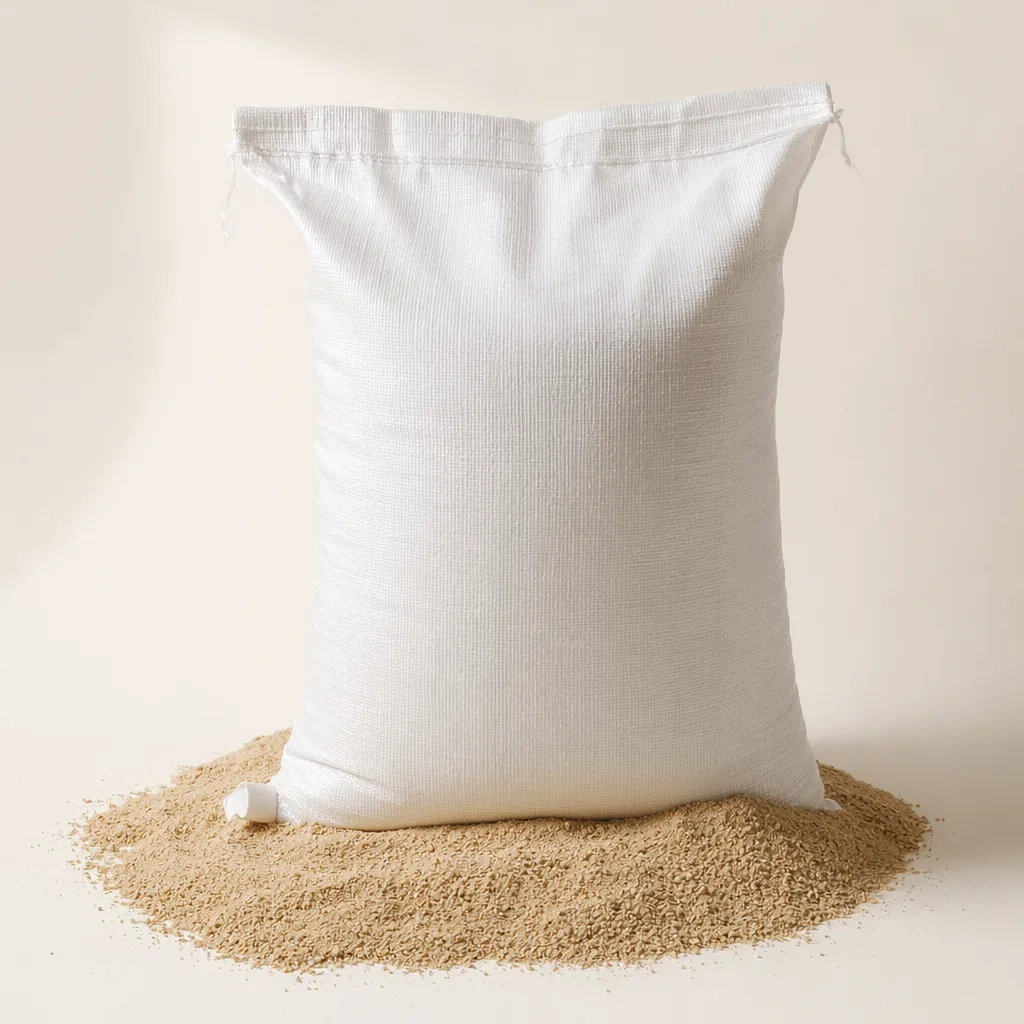
Feed-Grade Mycotoxin Binder for Animal Nutrition
Feed-grade mycotoxin binder for livestock, poultry, ruminant, swine, and aquaculture nutrition.
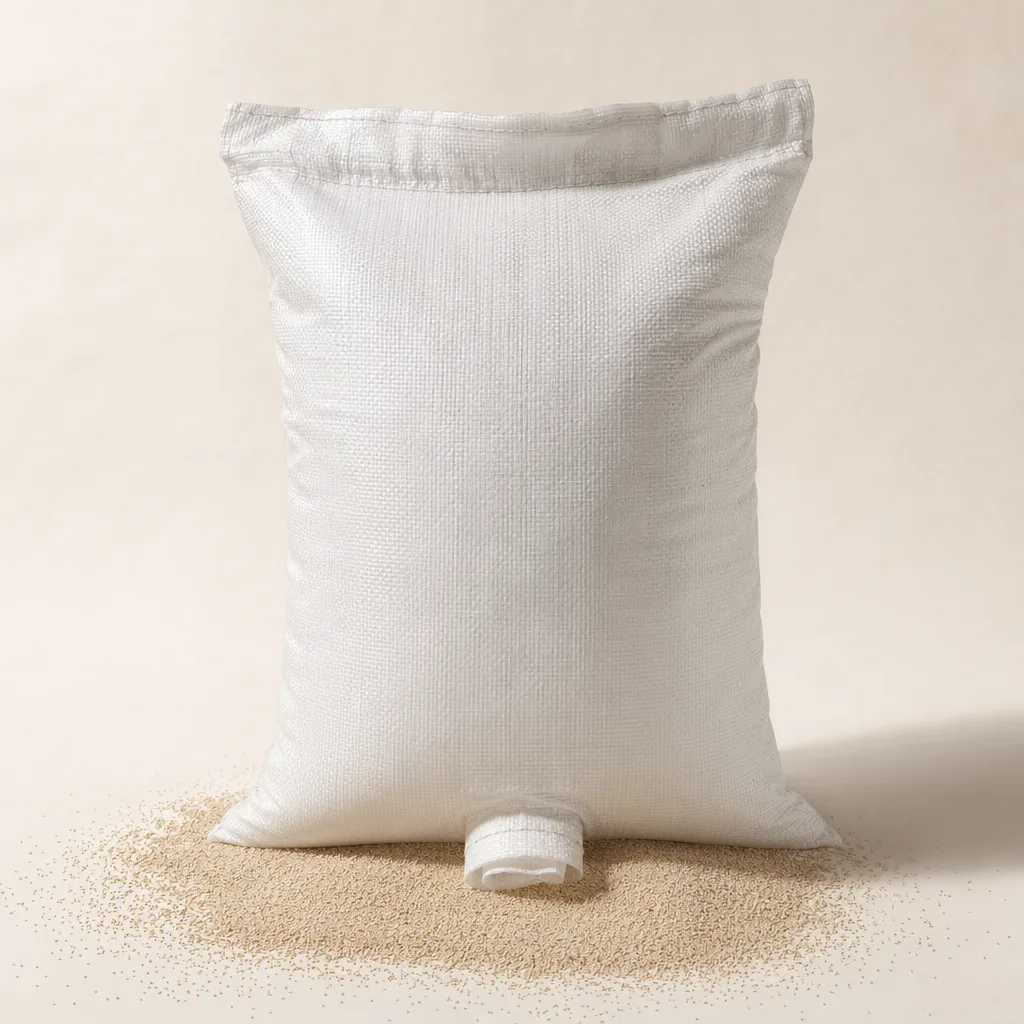
Ruminant Active Dry Yeast for Animal Feed
Feed-grade r+ active dry yeast ruminant for livestock, poultry, ruminant, swine, and aquaculture nutrition.