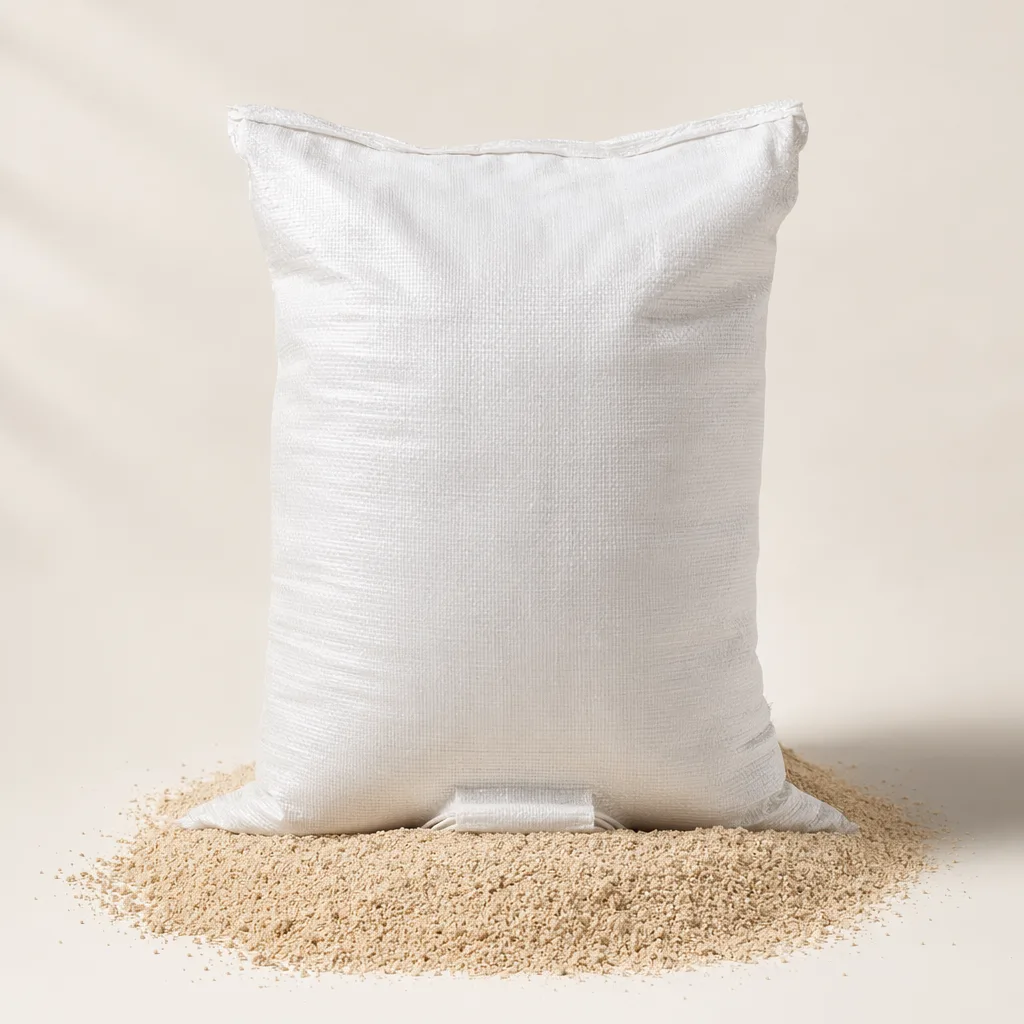
Yeast Nucleotide for Animal Feed
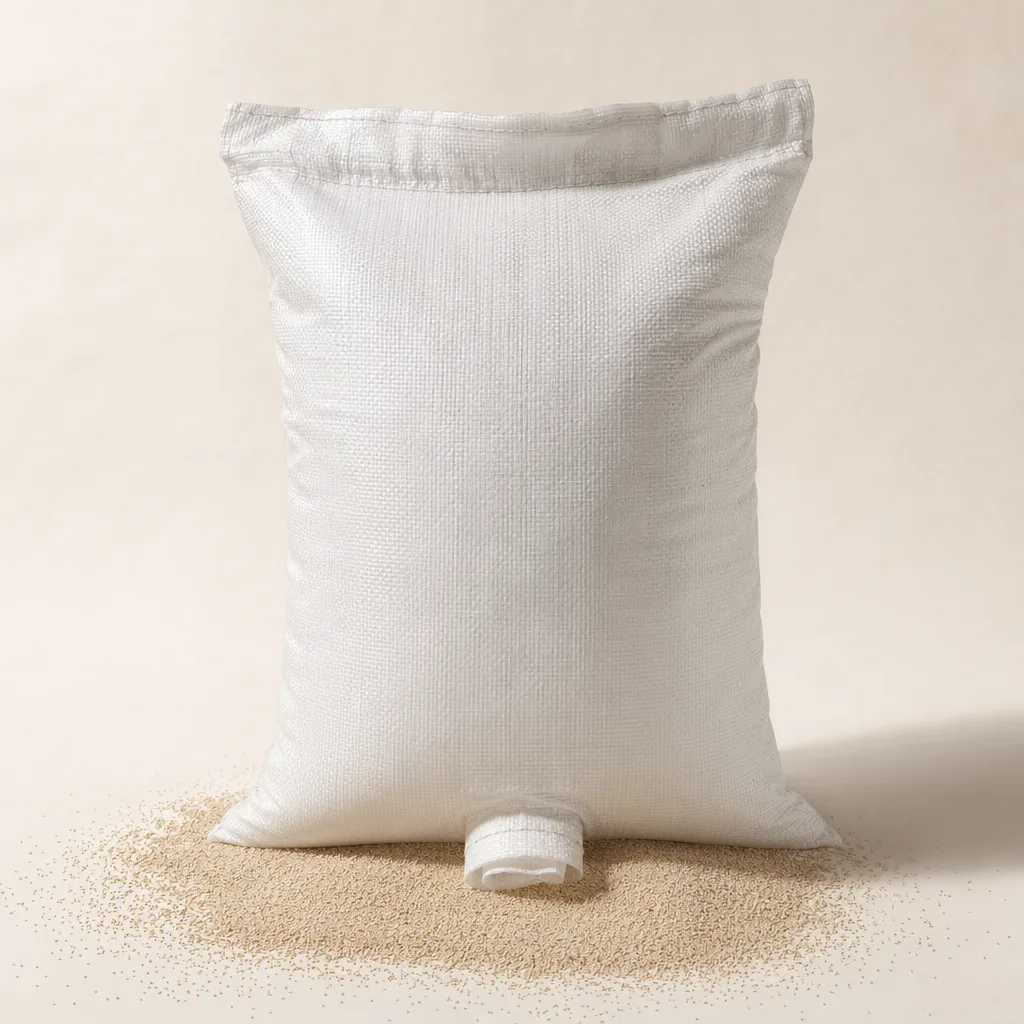
Yeast nucleotide for animal feed is a feed-grade yeast derivative supplying nucleotides, peptides, amino nitrogen, and yeast cell-wall fractions for compound feed and premix formulation. ArtemisYeast supplies ART-AN-092 in 25 kg woven polypropylene feed sacks for poultry, livestock, ruminant, swine, and aquaculture nutrition programs. This material is positioned for integrators, feed mills, premix blenders, and nutrition R&D teams requiring consistent batch documentation, practical handling properties, and wholesale pricing on request.
- ✓ Free worldwide shipping
- ✓ ISO-aligned manufacturing
- ✓ Certificate of Analysis on request
- ✓ Bulk & custom volumes quoted on request
Overview
ART-AN-092 is a yeast-derived nucleotide ingredient for animal feed applications, produced from selected yeast biomass through controlled processing, autolysis, separation, and drying. The product is designed as a non-live functional nutrient source, not as a viable probiotic; therefore, CFU/g is not the primary specification. Typical specification targets may include total nucleotides, expressed as RNA-derived nucleotides, at 8% to 12%, crude protein at 35% to 45%, moisture not more than 8%, ash not more than 12%, and a fine powder profile commonly passing 80 mesh, subject to the confirmed certificate of analysis for each lot.
In feed formulation, yeast nucleotide materials are used where nutritionists want concentrated yeast-origin nitrogen, nucleotide fractions, and associated cell-wall components in a low-inclusion feed additive. Poultry producers may evaluate it in broiler starter, breeder, and layer feed; swine teams may use it in nursery or transition diets; aquaculture formulators may apply it in shrimp, fish, and hatchery feeds where water-stable, palatable yeast fractions are valued. For related feed ingredients, see the animal nutrition yeast category.
Applications
- Poultry feed: suitable for premix, concentrate, and complete-feed systems for broilers, layers, breeders, ducks, and turkeys. It is commonly evaluated in starter and grower phases where digestible yeast nutrients and nucleotide fractions are specified.
- Swine nutrition: used by feed mills and integrators in creep feed, nursery feed, and sow feed formulations where yeast-origin peptides, amino nitrogen, and nucleotide fractions are part of the ration design.
- Ruminant feed: applicable in calf starter, dairy premix, beef concentrate, and specialty supplements when nutritionists require a dry, blendable yeast derivative rather than live yeast with CFU-based guarantees.
- Aquaculture: suitable for fish, shrimp, and specialty aquatic feeds as a yeast-based nutrient input with fine particle size and practical dispersion in mash, crumble, pellet, and extruded-feed processing.
- Premix and additive manufacturing: compatible with mineral premixes, vitamin premixes, yeast blends, attractant systems, and specialty nutritional packs when formulation stability is confirmed by the buyer’s process validation.
Storage and Handling
ART-AN-092 is supplied in a 25 kg woven polypropylene feed sack for warehouse handling, palletized export, and batch-controlled feed manufacturing. Store in a cool, dry, ventilated area, ideally below 25°C, protected from moisture, direct sunlight, strong odors, and chemical vapors. Keep bags sealed until use and reclose opened bags promptly to limit moisture uptake and clumping. Under recommended storage conditions, typical shelf life is 18 to 24 months from production date, subject to lot-specific confirmation.
The powder should be added through standard micro-ingredient dosing, premix blending, or main mixer addition according to the feed mill’s validated procedure. Buyers should verify homogeneous distribution at the intended inclusion rate, especially in low-dose premix systems. For commercial evaluation, ArtemisYeast can support sample review, lot selection, and a bulk quote on request for container, pallet, or recurring supply programs.
Quality and Documentation
Each commercial lot is supplied with traceable manufacturing and batch documentation. A certificate of analysis can include appearance, odor, moisture, crude protein, ash, nucleotide or RNA-related assay where contracted, particle size, and microbiological indicators appropriate for feed-grade yeast products. Additional documentation such as specification sheet, feed-grade statement, allergen statement, non-GMO status where applicable, heavy metals summary, and safety data sheet may be requested during qualification.
Manufacturing controls are aligned with feed and food-ingredient quality expectations, including documented raw material control, controlled drying, packing inspection, and retain-sample management. HACCP, ISO 22000, FSSC 22000, Halal, Kosher, or equivalent documentation may be available on request depending on origin and production site; ArtemisYeast confirms documentation before order acceptance rather than making unsupported claims. Procurement and QA teams can review current files through the quality documentation process before issuing purchase orders.
Storage & Handling
Refer to the CoA for product-specific storage conditions. Ship cold-chain where required.
Quality & Documentation
Manufactured under ISO-aligned quality management systems. Full documentation — Certificate of Analysis (CoA), Material Safety Data Sheet (MSDS), formulation summary, and stability data — is available on request. Email info@artemisyeast.com with the SKU.
About this product
01 What is the typical shelf life?
02 Do you offer documentation (CoA, food-grade declaration)?
03 What is the minimum order quantity?
04 Is bulk pricing available?
05 How is this product shipped internationally?
More from Animal Nutrition Yeast
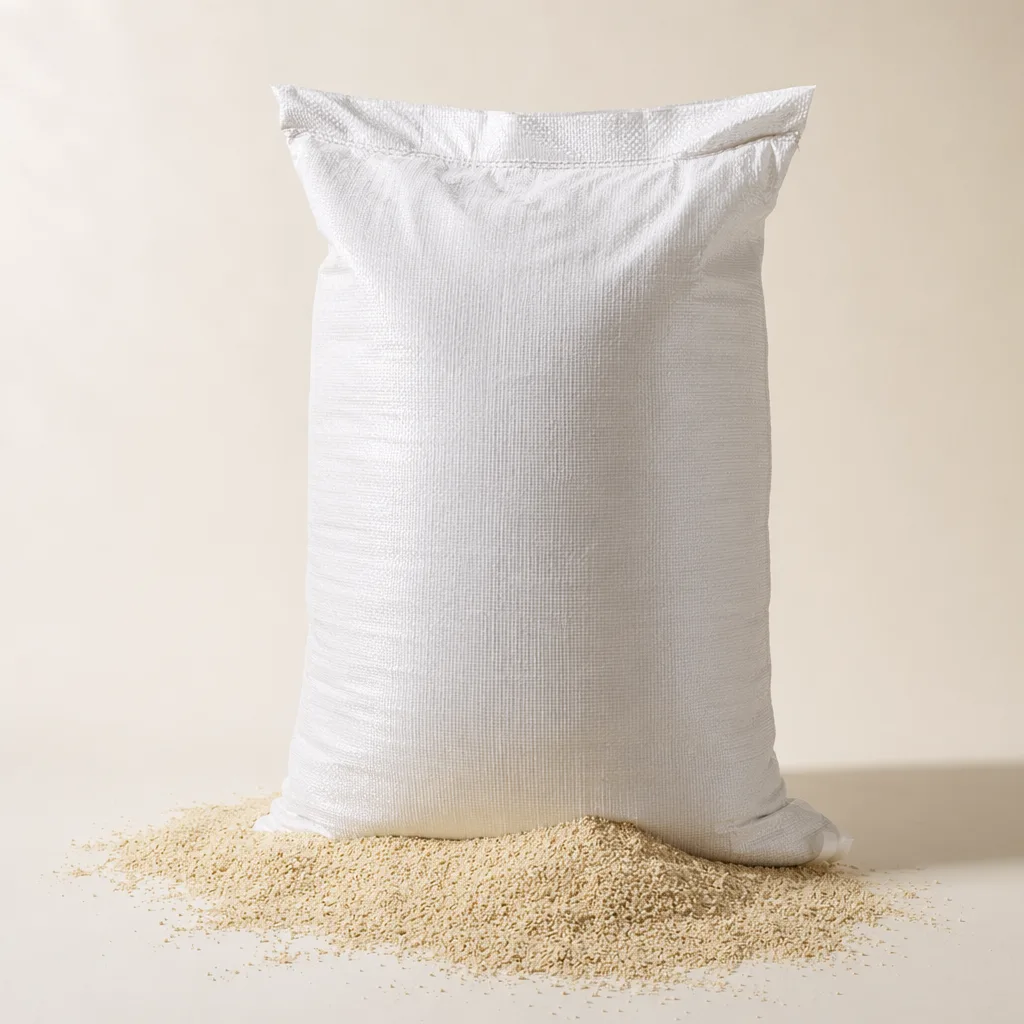
Feed-Grade Yeast Cell Wall for Animal Nutrition
Feed-grade yeast cell wall for livestock, poultry, ruminant, swine, and aquaculture nutrition.
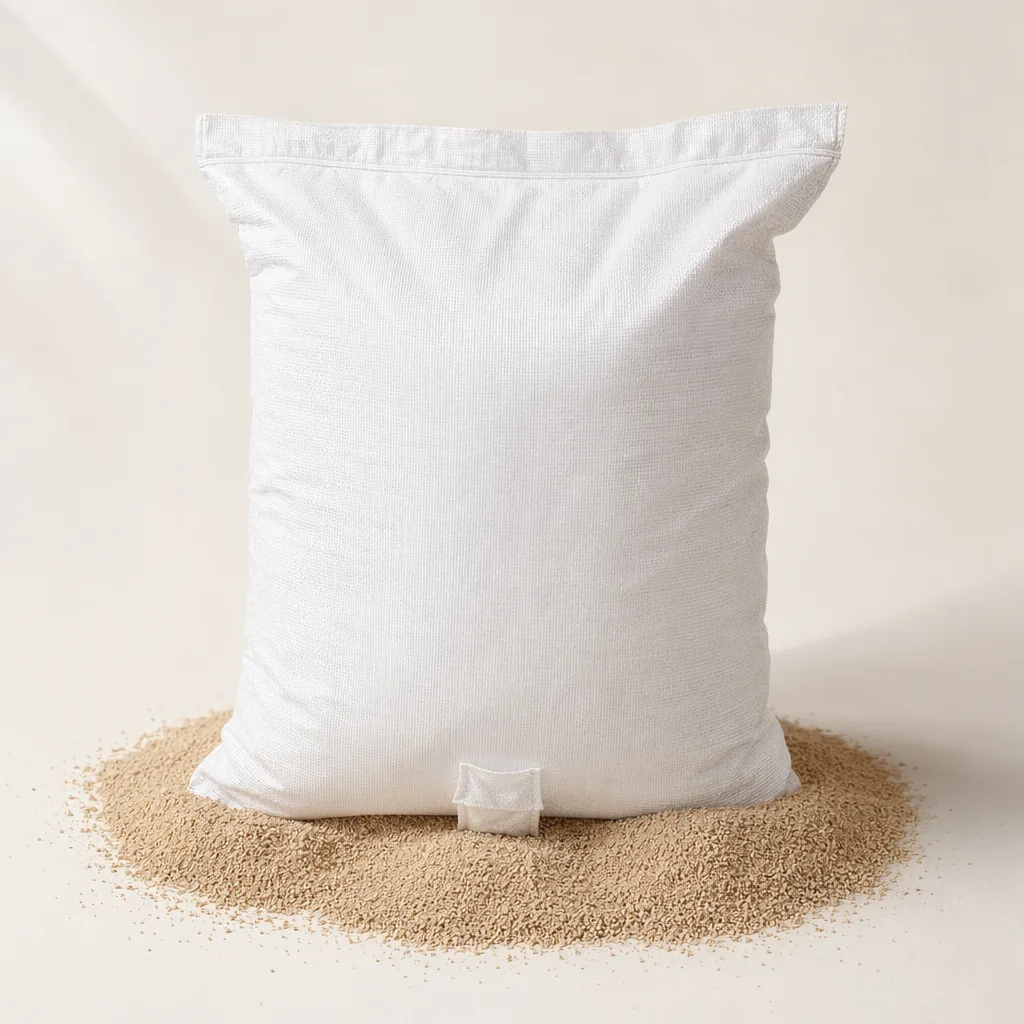
Feed Yeast AGP Alternative for Animal Nutrition
Feed-grade antibiotic(agps) alternative for livestock, poultry, ruminant, swine, and aquaculture nutrition.
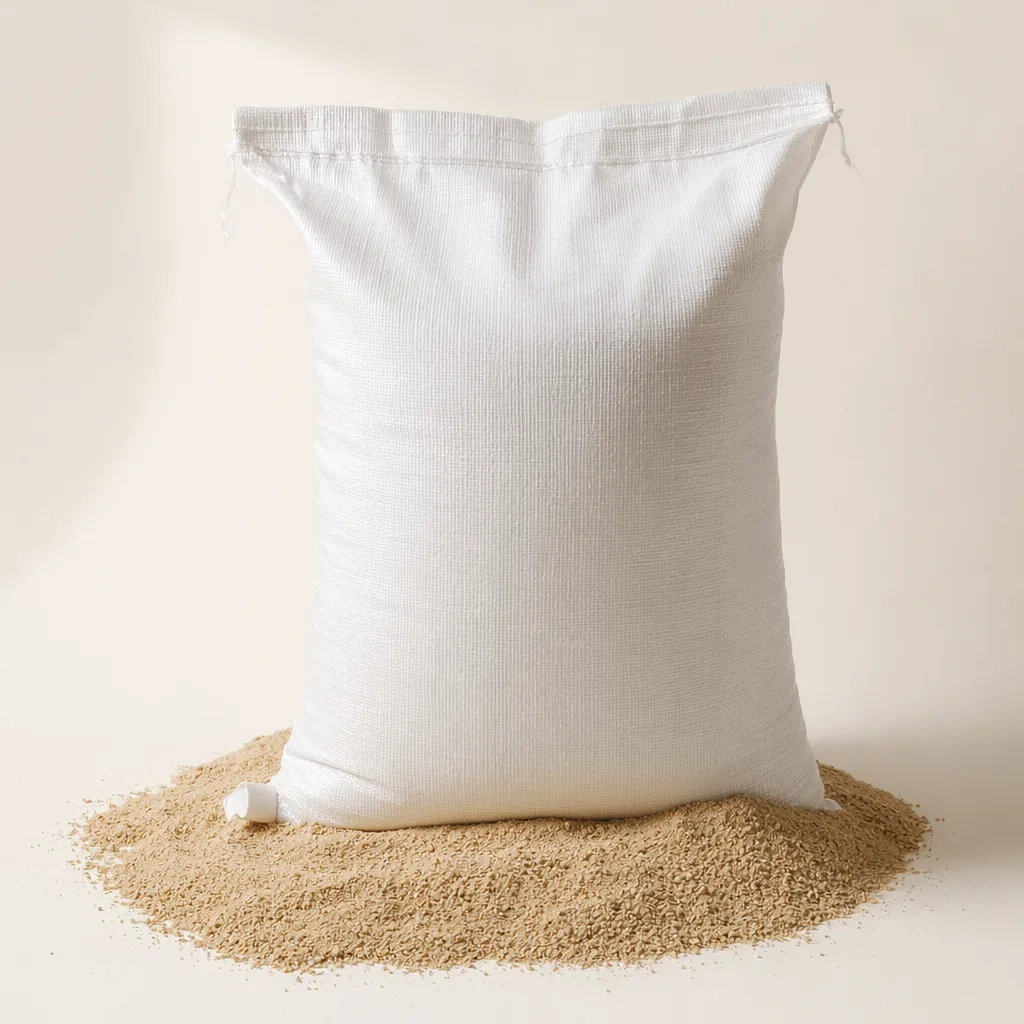
Feed-Grade Mycotoxin Binder for Animal Nutrition
Feed-grade mycotoxin binder for livestock, poultry, ruminant, swine, and aquaculture nutrition.
Ruminant Active Dry Yeast for Animal Feed
Feed-grade r+ active dry yeast ruminant for livestock, poultry, ruminant, swine, and aquaculture nutrition.