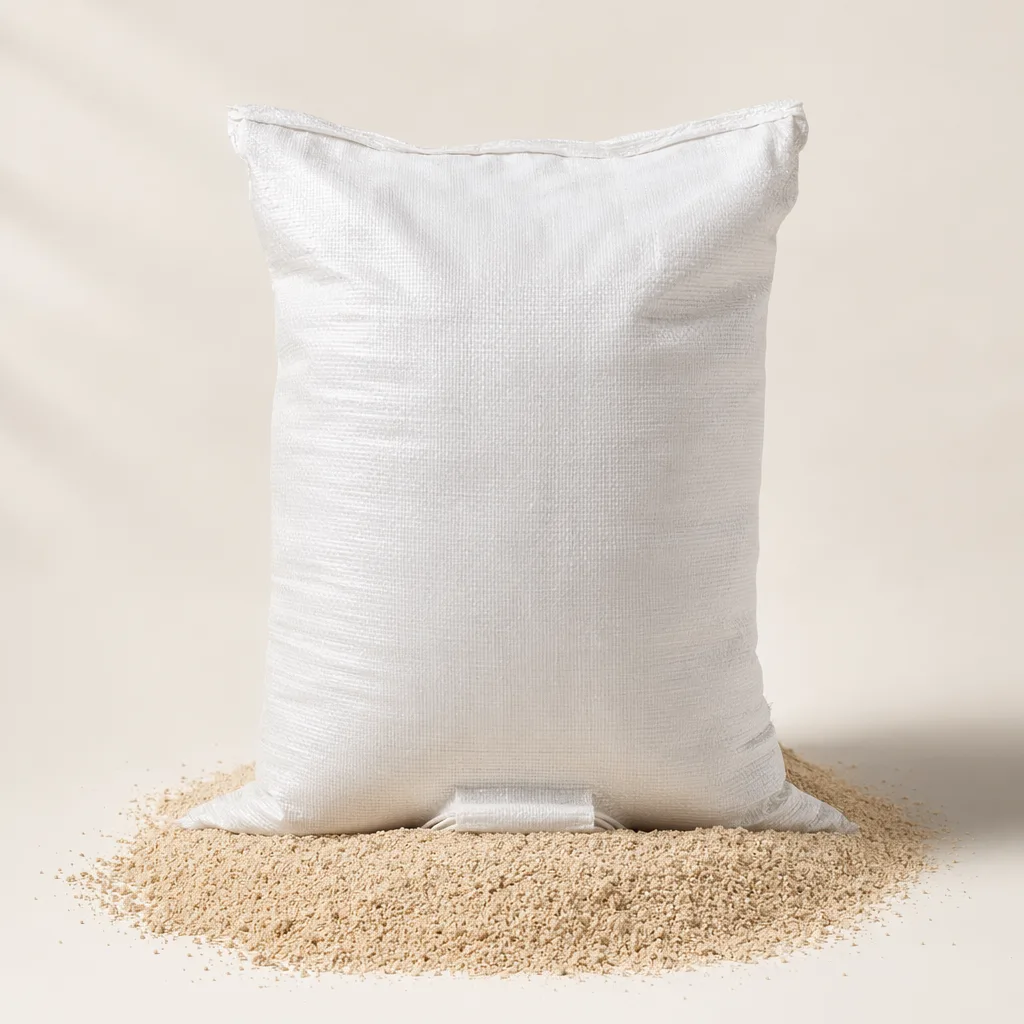
Feed Grade Yeast Nucleotide
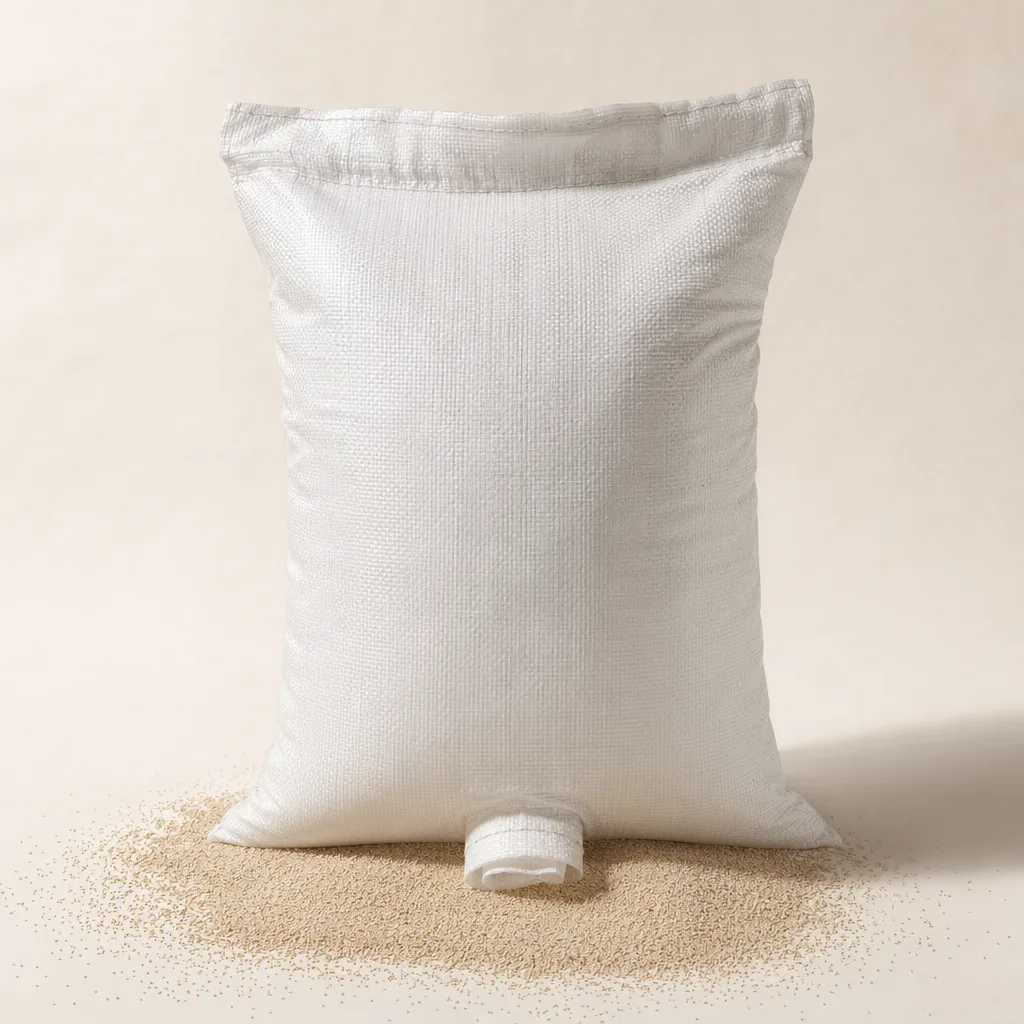
Yeast nucleotide is a feed-grade yeast derivative concentrated in naturally occurring nucleotides for livestock, poultry, swine, ruminant, and aquaculture nutrition. ArtemisYeast supplies ART-AN-022 in 25 kg woven polypropylene feed sacks for premix plants, integrated feed mills, and nutrition formulators. It is intended for use as a functional yeast-origin feed ingredient where nucleotide contribution, yeast solids, amino nitrogen, and batch consistency are important. Wholesale pricing on request is available through the ArtemisYeast bulk inquiry workflow.
- ✓ Free worldwide shipping
- ✓ ISO-aligned manufacturing
- ✓ Certificate of Analysis on request
- ✓ Bulk & custom volumes quoted on request
Overview
ART-AN-022 Feed Grade Yeast Nucleotide is produced from selected yeast biomass and processed to deliver a standardized nucleotide-containing feed ingredient for compound feeds, concentrates, starter diets, aqua feeds, and specialty premixes. The material is supplied as a free-flowing tan to light brown powder with a typical yeast odor and is designed for dry blending before pelleting, extrusion, or mash feed manufacture. Buyers comparing yeast-origin inputs for animal nutrition can review related materials in animal nutrition yeast.
Typical specification targets may include moisture not more than 8.0%, crude protein 35.0-45.0%, total nucleotides 8.0-12.0%, ash not more than 12.0%, and particle size 95% through 40 mesh, with final values confirmed by lot-specific certificate of analysis. Nucleotide profile is normally reported as yeast-derived 5'-nucleotides, and the product may also contain yeast peptides, amino acids, minerals, and cell-wall fractions naturally present from the yeast substrate. It is not a live yeast probiotic and is not specified by CFU/g; it is selected for nutrient contribution, palatability support, and formulation functionality rather than viable-cell count.
Applications
- Swine feeds: used in nursery, grower-finisher, and sow formulations where yeast-derived nitrogen, nucleotides, and palatable fermentation solids are required in a consistent dry ingredient.
- Poultry feeds: suitable for broiler, layer, breeder, and young-bird diets, including premixes that require fine particle distribution and compatibility with vitamins, minerals, amino acids, and carriers.
- Ruminant nutrition: applicable in calf starter, dairy, beef, and small-ruminant concentrates as a non-viable yeast-origin nutrient source; inclusion rate should be validated by the nutritionist against ration objectives and local feed rules.
- Aquaculture feeds: used in fish and shrimp formulas where hydrothermal processing stability, marine-feed palatability, and uniform mixing are important. The powder can be blended into mash before extrusion or coating steps depending on plant practice.
- Premix and additive manufacturing: compatible with common carriers such as rice hull powder, limestone, wheat middlings, soybean meal, and mineral premix bases. For commercial evaluation, submit formulation targets through request quote and specify species, inclusion range, annual volume, and destination port.
Storage and Handling
Store ART-AN-022 in the original sealed 25 kg woven polypropylene feed sack in a clean, dry, ventilated warehouse away from direct sunlight, moisture, strong odors, and incompatible chemicals. Recommended storage temperature is below 25 °C with relative humidity below 65% where practical. Under recommended conditions, typical shelf life is 18-24 months from manufacture, subject to the date shown on the lot label and certificate of analysis.
Use standard feed-plant hygiene and dust-control practices during tipping, conveying, weighing, and mixing. Reseal partly used sacks promptly and consume opened material as soon as practical. The product is intended for feed manufacturing use and should be evaluated for thermal processing conditions, pellet durability, flow behavior, and ingredient carryover in the buyer's own plant before full-scale adoption.
Quality and Documentation
ArtemisYeast supplies ART-AN-022 with procurement documentation suited to international feed ingredient purchasing. A lot-specific certificate of analysis can report appearance, moisture, crude protein, ash, nucleotide assay, particle size, and microbiological indicators such as total plate count, yeast and mold, coliforms, and absence of Salmonella in the tested sample. Heavy metal and mycotoxin screening may be arranged when required by contract, destination regulations, or customer vendor approval.
Manufacturing and supplier qualification documents are available on request, including feed-grade declaration, allergen statement, non-GMO position where applicable, material safety data sheet, packing list, and certificate of origin. Food-safety or feed-safety system documentation such as HACCP alignment, ISO 22000, FSSC 22000, Halal, or Kosher may be provided when available for the relevant production site and lot; ArtemisYeast does not imply certification unless the current document is issued for the shipment. Review documentation expectations at quality before placing a bulk quote on request.
Storage & Handling
Refer to the CoA for product-specific storage conditions. Ship cold-chain where required.
Quality & Documentation
Manufactured under ISO-aligned quality management systems. Full documentation — Certificate of Analysis (CoA), Material Safety Data Sheet (MSDS), formulation summary, and stability data — is available on request. Email info@artemisyeast.com with the SKU.
About this product
01 What is the typical shelf life?
02 Do you offer documentation (CoA, food-grade declaration)?
03 What is the minimum order quantity?
04 Is bulk pricing available?
05 How is this product shipped internationally?
More from Animal Nutrition Yeast
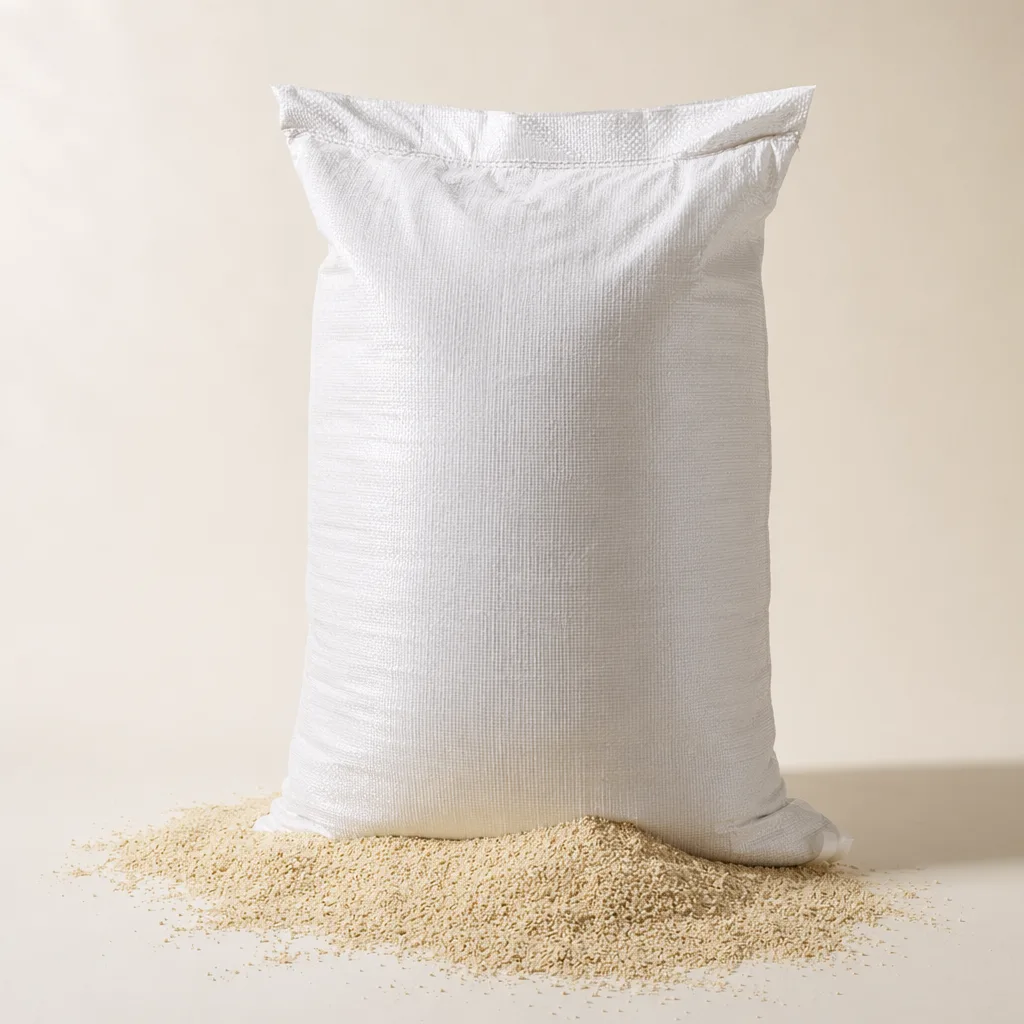
Feed-Grade Yeast Cell Wall for Animal Nutrition
Feed-grade yeast cell wall for livestock, poultry, ruminant, swine, and aquaculture nutrition.
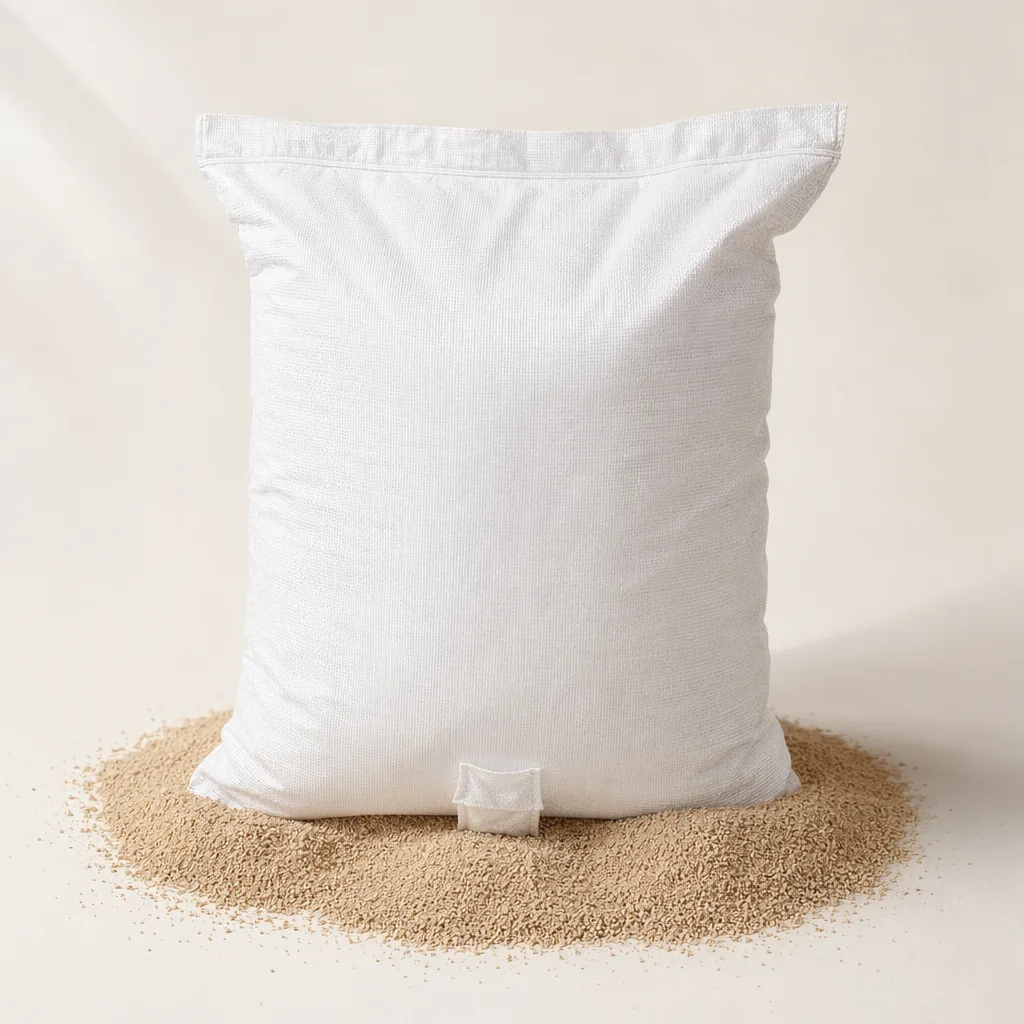
Feed Yeast AGP Alternative for Animal Nutrition
Feed-grade antibiotic(agps) alternative for livestock, poultry, ruminant, swine, and aquaculture nutrition.
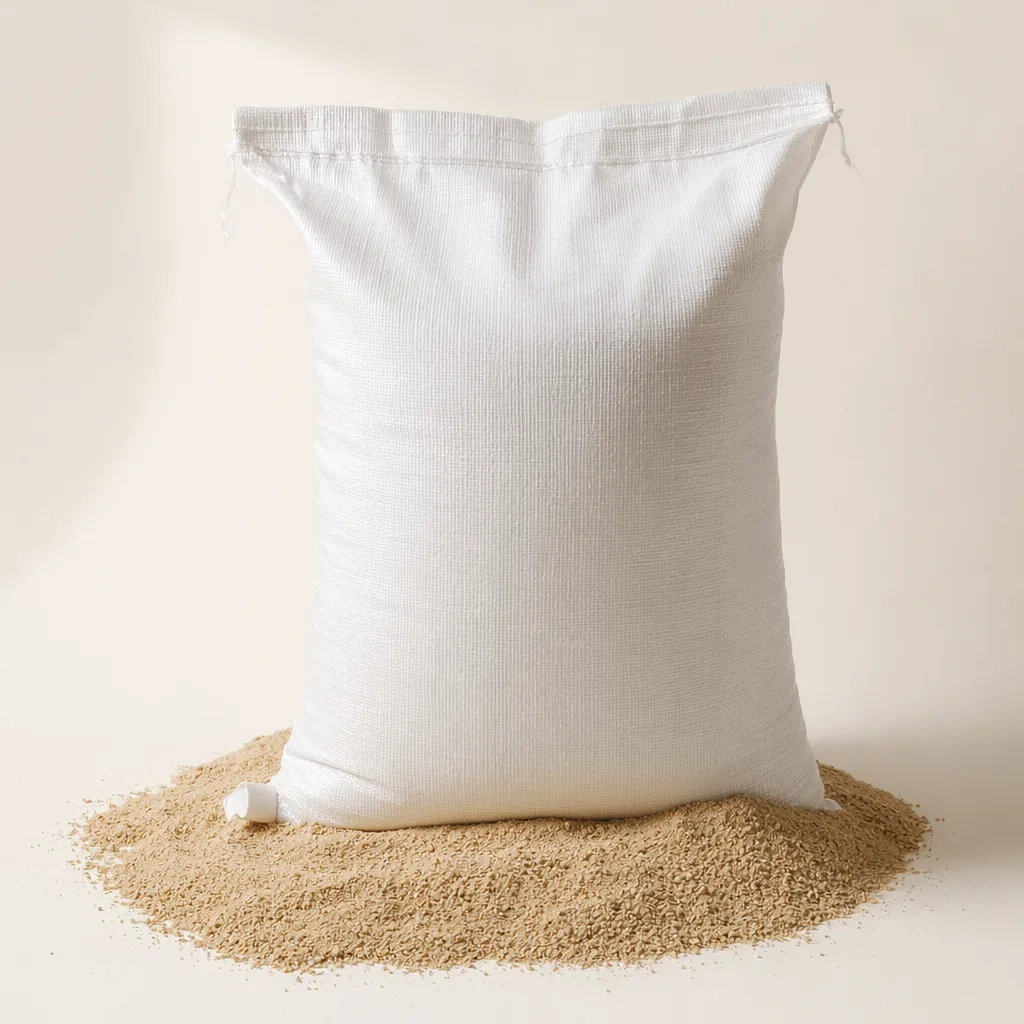
Feed-Grade Mycotoxin Binder for Animal Nutrition
Feed-grade mycotoxin binder for livestock, poultry, ruminant, swine, and aquaculture nutrition.
Ruminant Active Dry Yeast for Animal Feed
Feed-grade r+ active dry yeast ruminant for livestock, poultry, ruminant, swine, and aquaculture nutrition.