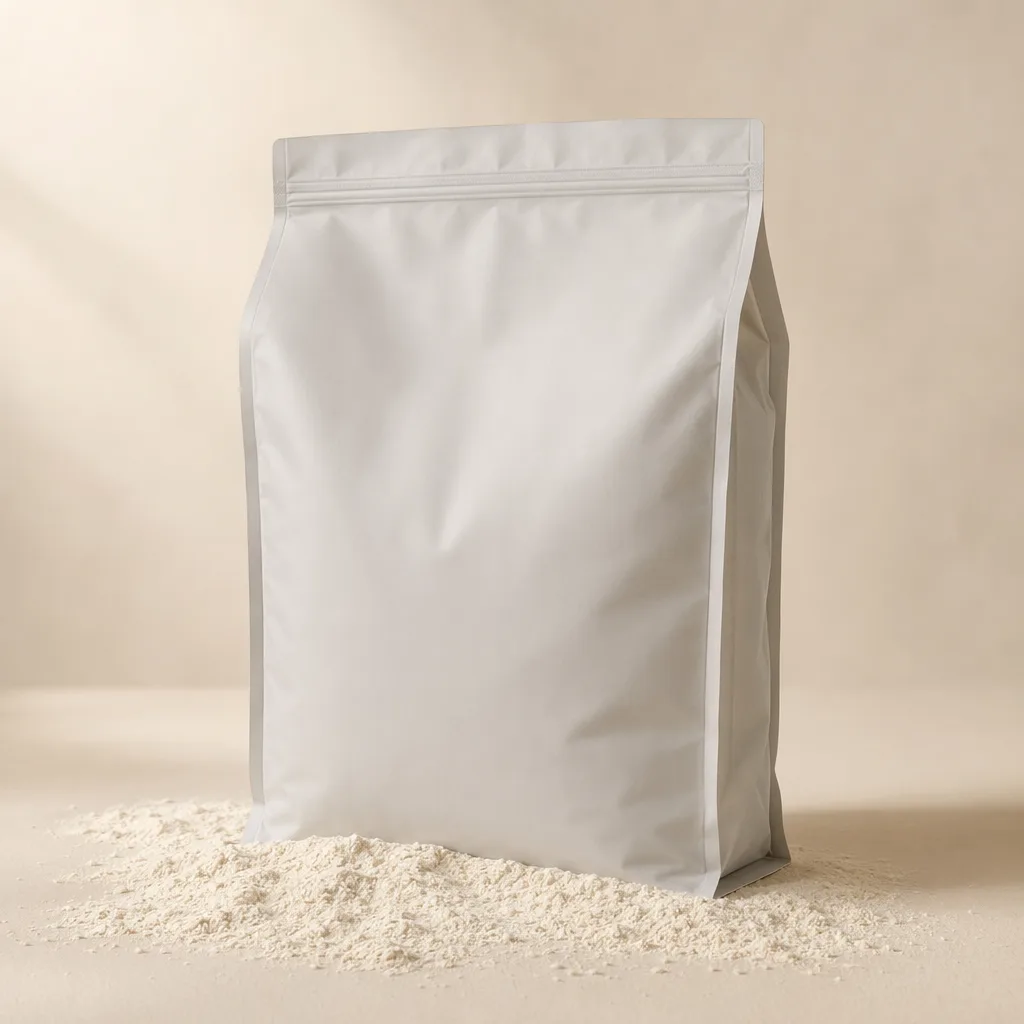
Brewing Beta-Glucanase Enzyme
Brewing beta-glucanase enzyme is a processing aid used to hydrolyze barley and rye beta-glucans that increase wort viscosity and slow lautering. ArtemisYeast supplies ART-BW-050 in 10 kg foil pouches for breweries and distilleries that need consistent mash performance, clearer run-off, and better filtration economics. This inquiry-only product is available for wholesale pricing on request, with lot documentation and application guidance for pilot trials and production-scale dosing.
- ✓ Free worldwide shipping
- ✓ ISO-aligned manufacturing
- ✓ Certificate of Analysis on request
- ✓ Bulk & custom volumes quoted on request
Overview
ART-BW-050 is a brewing beta-glucanase enzyme preparation for mash and wort processing in barley-, wheat-, oat-, and rye-containing recipes. The active function is endo-beta-glucan hydrolysis, reducing high-molecular-weight beta-glucans into shorter soluble fractions that are less likely to form viscous run-off, compact filter beds, or haze-active colloidal loads. It is relevant for craft breweries, large brewhouses, and grain-spirit plants where raw material variability, high adjunct ratios, or under-modified malt can create filtration bottlenecks.
Typical technical targets may include beta-glucanase activity declared by lot on the Certificate of Analysis, moisture not more than 8%, light tan to off-white powder appearance, and a food-processing carrier suitable for dry dosing or pre-dispersion. Functional pH is typically in the brewing mash range, about pH 4.5-6.0, with practical activity in warm mash conditions. For procurement teams comparing products in the brewing and winemaking yeast category, ART-BW-050 is positioned as an enzyme processing aid rather than a fermentation organism.
Applications
- All-malt and high-beta-glucan beer: supports faster lautering and more predictable wort separation when malt modification or crop season increases beta-glucan load.
- Rye, oat, and wheat specialty beers: reduces viscosity in recipes where gums and soluble fibers can slow mash transfer, plate-and-frame filtration, or centrifuge throughput.
- Craft-brewing process optimization: useful in pilot brewhouses and production plants seeking shorter run-off time, lower differential pressure rise, and more stable extract recovery.
- Distilled-spirits mashes: assists viscosity management in barley- and rye-based wash production before fermentation and distillation, especially where high solids are processed.
- Plant trials and R&D: starting laboratory evaluation is commonly run at 20-100 g per metric ton of grist, then adjusted against malt analysis, mash program, filtration target, and sensory requirements. Final dosage should be validated by the customer’s process team.
Storage and Handling
Store ART-BW-050 sealed in its original 10 kg foil pouch in a clean, dry warehouse at 5-25 °C, away from steam lines, direct sunlight, strong odors, and high humidity. Under recommended storage, typical shelf life is 12-18 months from manufacture, subject to the lot label and retained activity specification. After opening, reseal promptly or transfer to a dry, food-grade container to reduce moisture pickup and dust exposure.
For use, pre-blend the powder with dry grist or disperse in cool process water before addition to mash, following site-specific allergen, dust-control, and enzyme-handling procedures. Personnel should avoid inhaling enzyme dust and should use appropriate PPE such as gloves, eye protection, and a dust mask or respirator where risk assessment requires it. Enzyme activity is substantially reduced by high-temperature wort boiling, but thermal exposure should not replace validated cleaning and segregation procedures.
Quality and Documentation
ArtemisYeast supplies ART-BW-050 for B2B customers requiring traceable lots, import-ready paperwork, and specification review before purchase. A Certificate of Analysis can report activity method, appearance, moisture, microbiological indicators where applicable, net weight, batch number, and manufacture or expiry dating. Food-grade declaration, allergen statement, GMO-status statement, SDS, and packing list can be provided on request for procurement and customs review.
Manufacturing and supply controls are aligned with HACCP-based food ingredient handling, and documentation related to ISO 22000, FSSC 22000, Halal, or Kosher status may be available where applicable to the production site and lot. Buyers can review documentation through the ArtemisYeast quality process before releasing a purchase order. For commercial quantities, submit target annual volume, destination port, application, and requested document set through request a bulk quote; wholesale pricing on request is based on volume, packaging, documentation, and logistics route.
Storage & Handling
Refer to the CoA for product-specific storage conditions. Ship cold-chain where required.
Quality & Documentation
Manufactured under ISO-aligned quality management systems. Full documentation — Certificate of Analysis (CoA), Material Safety Data Sheet (MSDS), formulation summary, and stability data — is available on request. Email info@artemisyeast.com with the SKU.
About this product
01 What is the typical shelf life?
02 Do you offer documentation (CoA, food-grade declaration)?
03 What is the minimum order quantity?
04 Is bulk pricing available?
05 How is this product shipped internationally?
More from Brewing & Winemaking Yeast
Super Turbo Yeast for High-Gravity Fermentation
Active dry super turbo yeast for craft brewers, winemakers, distillers, and industrial fermentation.
Dry Fermentation Nutrients and Protectors for Yeast
Active dry nutrients and protectors for craft brewers, winemakers, distillers, and industrial fermentation.
Dry Winemaking Enzyme for Fermentation Processing
Active dry winemaking enzyme for craft brewers, winemakers, distillers, and industrial fermentation.
Super Turbo Yeast for Craft Brewing, 10 kg Pouch
Super Turbo Yeast for craft brewing applications. Active dry super turbo yeast for craft brewers, winemakers,…