Distillation Yeast for Rum
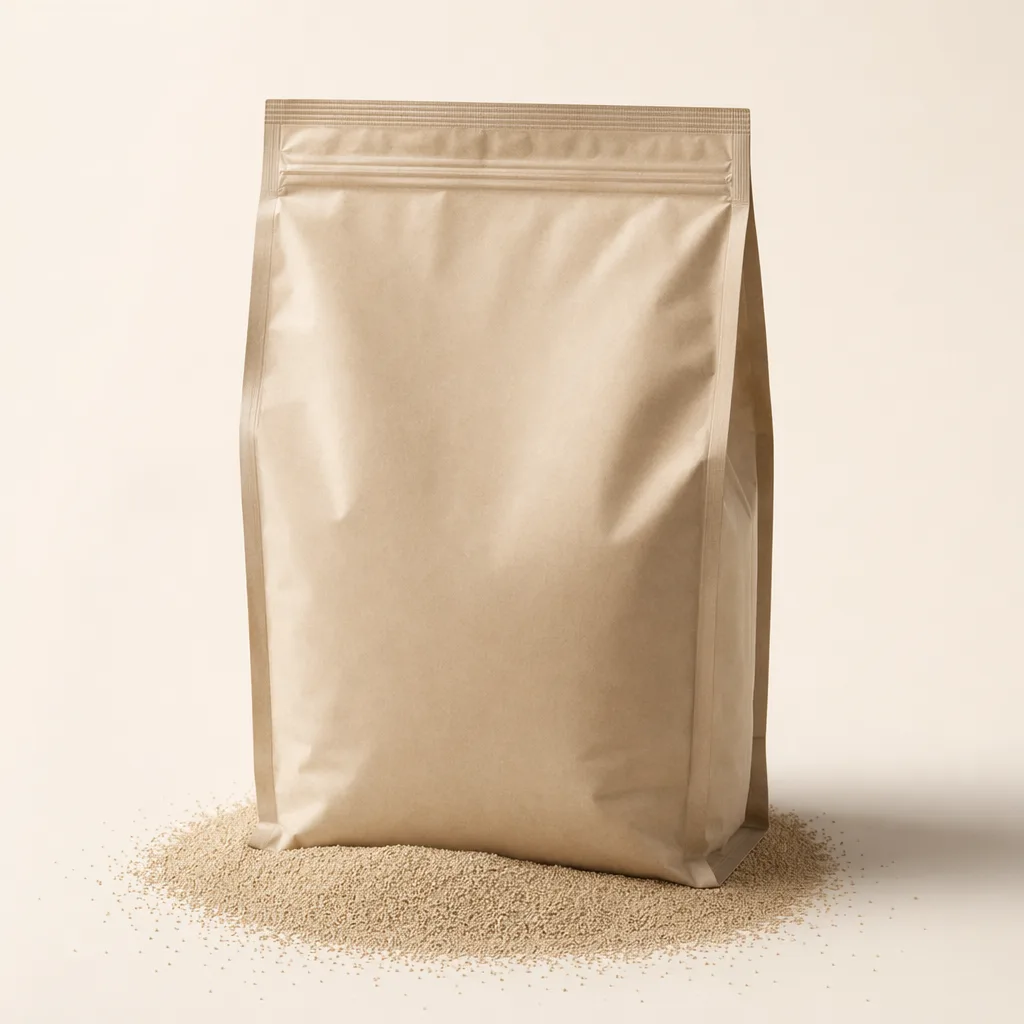
Distillation yeast for rum is an active dry Saccharomyces cerevisiae culture selected for molasses-based alcoholic fermentation and ester-forward spirit production. ART-BW-035 is supplied in 10 kg foil pouches for distilleries, contract fermenters, and spirits ingredient buyers requiring consistent pitching performance, practical handling, and lot documentation. It is available for wholesale supply with bulk quote on request through the ArtemisYeast brewing and winemaking yeast category.
- ✓ Free worldwide shipping
- ✓ ISO-aligned manufacturing
- ✓ Certificate of Analysis on request
- ✓ Bulk & custom volumes quoted on request
Overview
ART-BW-035 is a rum distillation yeast developed for cane molasses, cane syrup, and sugar-wash substrates where fast attenuation and tropical ester expression are desired. The culture is intended for industrial spirit fermentations rather than beverage finishing; it is used to convert fermentable sugars into alcohol prior to distillation while contributing congeners associated with rum-style aroma development, including fruity and tropical ester notes under appropriate fermentation conditions.
Typical product specification includes active dry yeast granules with viable count target of not less than 1.0×10^10 CFU/g at packing, moisture not more than 8.0%, and tan to light-brown free-flowing appearance. Recommended operating conditions are normally 28–34 °C, pH 4.2–5.5, and diluted molasses mashes in the 16–22 °Brix range, subject to nutrient balance and plant procedure. Expected alcohol tolerance is generally up to 12–15% v/v depending on osmotic pressure, minerals, nitrogen availability, and fermentation temperature. Suggested pitching is typically 0.3–0.8 g/L for hydrated yeast, with higher rates used for high-Brix or rapid-turnaround production.
Applications
- Rum distilleries: primary fermentation of cane molasses, cane juice concentrate, cane syrup, or blended sugar substrates before pot, column, or hybrid distillation.
- Contract spirits plants: standardized yeast input for toll fermentation where batch-to-batch viability, pouch integrity, and traceable lots are required.
- R&D and pilot trials: evaluation of ester formation, fermentation kinetics, yield, and nutrient strategy across molasses sources with different ash, calcium, and residual sugar profiles.
- Process optimization: compatible with controlled rehydration, direct pitching where validated, temperature-stepped fermentation, and nutrient supplementation programs designed by the distillery team.
- Bulk ingredient procurement: supplied as ART-BW-035 in 10 kg foil pouches for consolidated purchasing; submit batch volume, destination, and annual forecast through request quote for wholesale pricing on request.
Storage and Handling
Store unopened 10 kg foil pouches in a clean, dry, odor-free warehouse at 5–25 °C, away from direct sunlight, steam lines, and high humidity. Under recommended storage, typical shelf life is up to 24 months from production date, subject to the certificate of analysis for the specific lot. After opening, reseal tightly, protect from moisture pickup, and use promptly to minimize viability loss.
For rehydration, disperse yeast in clean water at approximately 35–38 °C at 5–10 times the yeast weight, hold for 15–20 minutes, then gradually equalize temperature with mash before pitching. Avoid exposing dry yeast directly to high-sugar, low-pH molasses without a validated procedure, as osmotic shock may reduce viable cell recovery. Follow site hygiene procedures for tanks, transfer lines, and dosing equipment.
Quality and Documentation
ART-BW-035 is supplied for professional fermentation use with lot traceability and specification review before shipment. A certificate of analysis can include appearance, moisture, viable count, microbiological indicators, production date, best-before date, and packaging confirmation. Additional documents such as technical data sheet, safety data sheet, allergen statement, non-GMO statement where applicable, and food-grade declaration can be provided on request.
Manufacturing and supply controls are aligned with food and fermentation ingredient expectations, including documented hygiene, sealed packaging, and export-ready labeling. HACCP, ISO 22000, Halal, Kosher, or FSSC 22000 documentation may be available on request depending on the production site and lot. Procurement teams can review documentation pathways through quality and documentation before confirming purchase orders.
Storage & Handling
Refer to the CoA for product-specific storage conditions. Ship cold-chain where required.
Quality & Documentation
Manufactured under ISO-aligned quality management systems. Full documentation — Certificate of Analysis (CoA), Material Safety Data Sheet (MSDS), formulation summary, and stability data — is available on request. Email info@artemisyeast.com with the SKU.
About this product
01 What is the typical shelf life?
02 Do you offer documentation (CoA, food-grade declaration)?
03 What is the minimum order quantity?
04 Is bulk pricing available?
05 How is this product shipped internationally?
More from Brewing & Winemaking Yeast
Super Turbo Yeast for High-Gravity Fermentation
Active dry super turbo yeast for craft brewers, winemakers, distillers, and industrial fermentation.
Dry Fermentation Nutrients and Protectors for Yeast
Active dry nutrients and protectors for craft brewers, winemakers, distillers, and industrial fermentation.
Dry Winemaking Enzyme for Fermentation Processing
Active dry winemaking enzyme for craft brewers, winemakers, distillers, and industrial fermentation.
Super Turbo Yeast for Craft Brewing, 10 kg Pouch
Super Turbo Yeast for craft brewing applications. Active dry super turbo yeast for craft brewers, winemakers,…