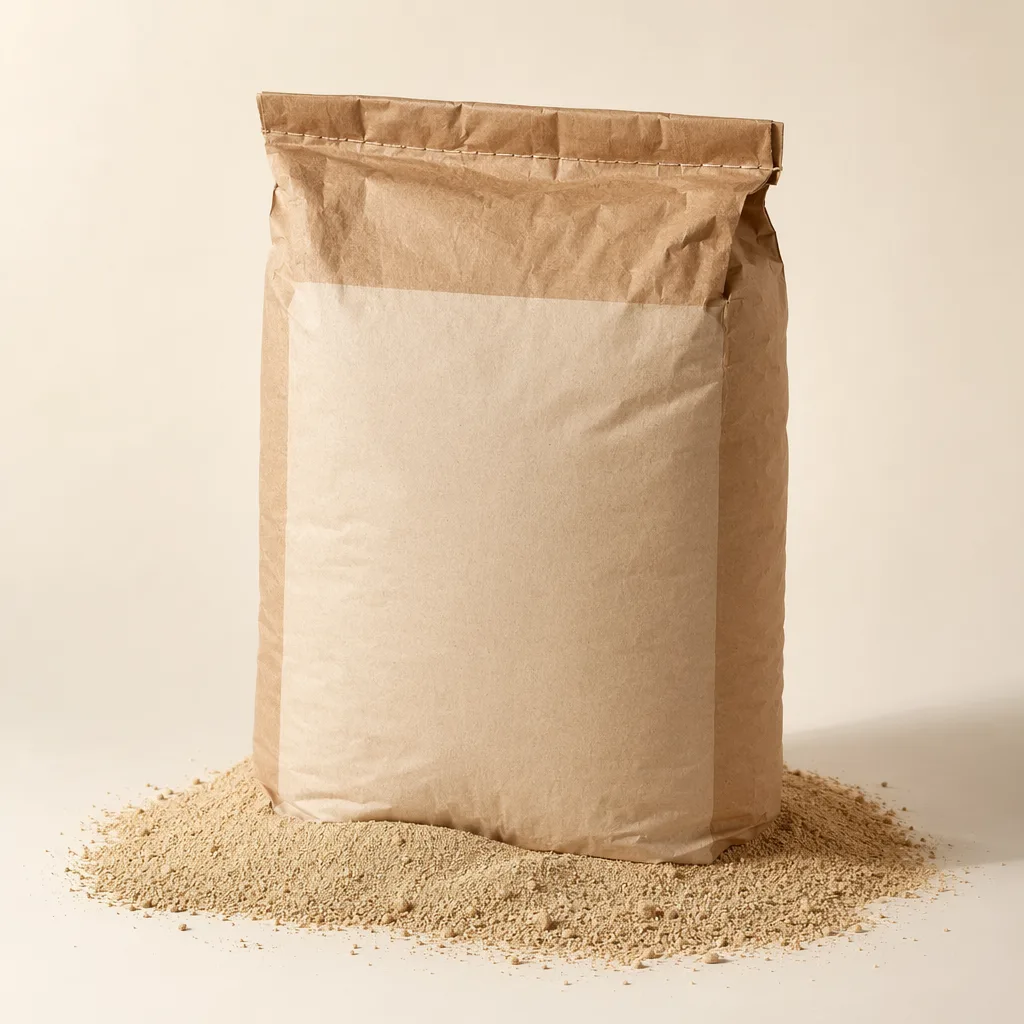
Industrial Bioethanol Yeast
Industrial bioethanol yeast is an active dry Saccharomyces cerevisiae culture selected for rapid, reliable sugar-to-ethanol fermentation in fuel ethanol plants. ART-BW-009 is supplied for starch-based and cellulosic processes that require temperature tolerance up to 38 °C and practical robustness in mashes containing organic acids, furans, and other common hydrolysate inhibitors. ArtemisYeast supports contract and spot purchasing in 25 kg multi-wall sacks, with wholesale pricing on request through bulk inquiry.
- ✓ Free worldwide shipping
- ✓ ISO-aligned manufacturing
- ✓ Certificate of Analysis on request
- ✓ Bulk & custom volumes quoted on request
Overview
ART-BW-009 is an industrial active dry yeast developed for fuel ethanol production where consistent viability, restart speed, and process tolerance determine plant throughput. The product is used in grain, cassava, molasses, and lignocellulosic hydrolysate fermentation lines. Typical specification targets include viable yeast count of not less than 2.0×10^10 CFU/g, moisture not more than 8.0%, light tan to cream granules, and low foreign matter. Final values are confirmed by lot-specific Certificate of Analysis.
The culture is selected to perform in high-solid mashes and mixed-sugar substrates under common fuel ethanol operating conditions. Practical fermentation range is generally pH 4.0–5.5, with optimum operation near 30–36 °C and tolerance up to 38 °C when plant nutrition, cooling, and contamination control are managed correctly. The yeast is compatible with standard propagation, direct pitching, or pre-hydration protocols used by industrial ethanol plants. For related fermentation products, see brewing and winemaking yeast supply.
Applications
- Fuel ethanol plants: primary fermentation yeast for continuous or batch ethanol production from corn, wheat, cassava, sorghum, and other starch feedstocks after liquefaction and saccharification.
- Cellulosic ethanol: suitable for hydrolysate streams where furfural, HMF, acetic acid, and osmotic pressure can challenge standard yeast strains.
- Process optimization: supports R&D trials comparing pitch rate, nitrogen supplementation, temperature profile, solids loading, and fermentation time.
- Plant operations: supplied in 25 kg multi-wall sacks for warehouse handling, palletized distribution, and controlled dosing into propagation tanks or fermenters.
Storage and Handling
Store unopened sacks in a cool, dry, ventilated area, away from direct sunlight, steam lines, strong odors, and moisture. Recommended storage is below 25 °C with relative humidity controlled; avoid freezing and repeated temperature cycling. Typical shelf life is 24 months from production date when the original packaging remains sealed and storage conditions are maintained. After opening, reseal unused material promptly and use quickly to limit moisture uptake and viability loss. Pre-hydration temperature, water quality, and contact time should follow the plant’s validated standard operating procedure.
Quality and Documentation
ArtemisYeast supplies ART-BW-009 under procurement-focused documentation control. Lot documents can include Certificate of Analysis, technical specification sheet, safety data sheet, origin statement, allergen statement, and packaging details. HACCP-aligned manufacturing information and available site documentation for ISO 22000, FSSC 22000, Halal, or Kosher programs can be provided on request where applicable to the producing lot. Visit quality documentation for purchasing review, or request a bulk quote on request with destination port, annual volume, and required compliance files.
Storage & Handling
Refer to the CoA for product-specific storage conditions. Ship cold-chain where required.
Quality & Documentation
Manufactured under ISO-aligned quality management systems. Full documentation — Certificate of Analysis (CoA), Material Safety Data Sheet (MSDS), formulation summary, and stability data — is available on request. Email info@artemisyeast.com with the SKU.
About this product
01 What is the typical shelf life?
02 Do you offer documentation (CoA, food-grade declaration)?
03 What is the minimum order quantity?
04 Is bulk pricing available?
05 How is this product shipped internationally?
More from Brewing & Winemaking Yeast
Super Turbo Yeast for High-Gravity Fermentation
Active dry super turbo yeast for craft brewers, winemakers, distillers, and industrial fermentation.
Dry Fermentation Nutrients and Protectors for Yeast
Active dry nutrients and protectors for craft brewers, winemakers, distillers, and industrial fermentation.
Dry Winemaking Enzyme for Fermentation Processing
Active dry winemaking enzyme for craft brewers, winemakers, distillers, and industrial fermentation.
Super Turbo Yeast for Craft Brewing, 10 kg Pouch
Super Turbo Yeast for craft brewing applications. Active dry super turbo yeast for craft brewers, winemakers,…