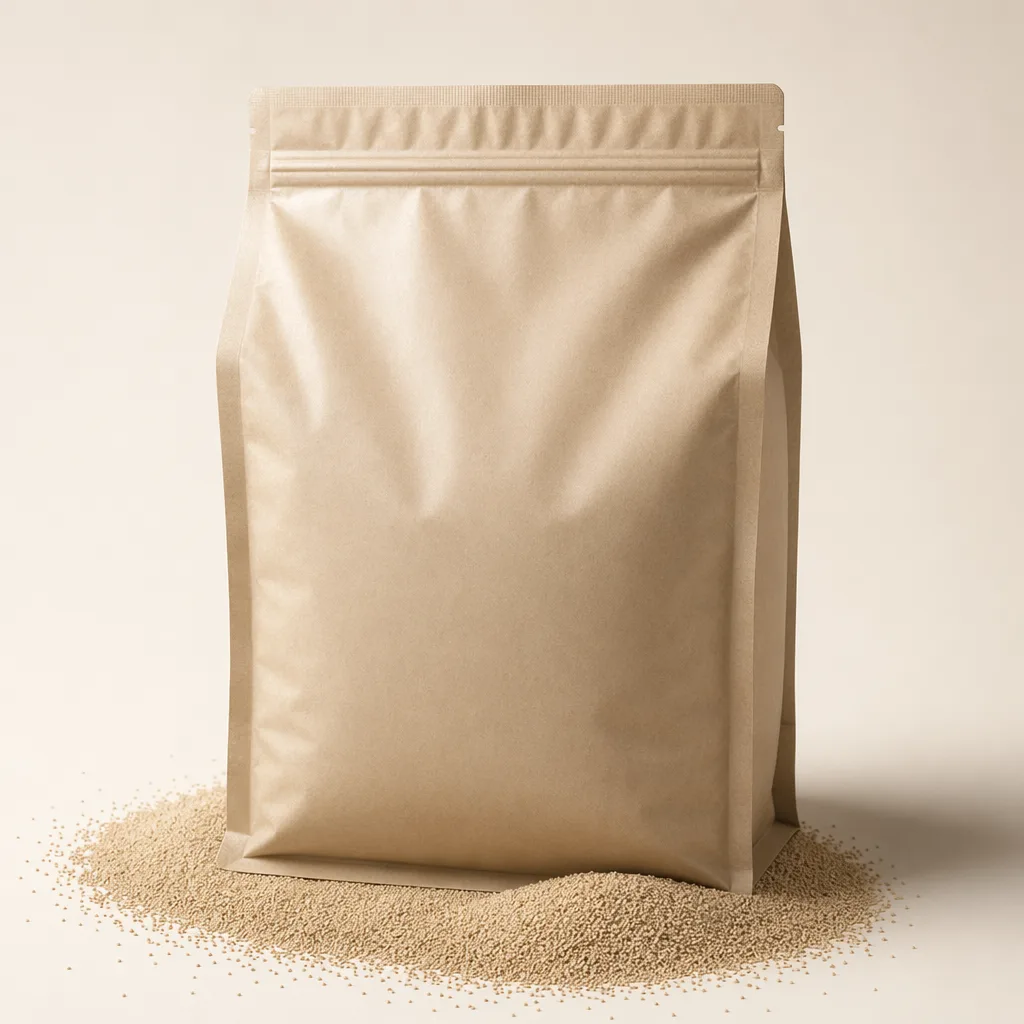
Rosé Wine Yeast Strain
Rosé wine yeast strain ART-BW-027 is an active dry Saccharomyces cerevisiae culture selected for clean, fruit-forward rosé fermentations. It is designed for wineries producing pink, salmon, and coral-hue wines from direct press, short maceration, or blending streams. Supplied in 10 kg foil pouches, it supports controlled primary fermentation with low neutral off-note risk when used with appropriate nutrition. ArtemisYeast supplies this product for international wholesale availability, with bulk quote on request.
- ✓ Free worldwide shipping
- ✓ ISO-aligned manufacturing
- ✓ Certificate of Analysis on request
- ✓ Bulk & custom volumes quoted on request
Overview
ART-BW-027 is a dry wine yeast for rosé production where aromatic lift, color brightness, and predictable fermentation kinetics are purchasing priorities. The strain is suited to grape musts where delicate red-fruit, citrus, floral, or ester-driven profiles are required without excessive phenolic extraction. Typical specification targets include viable yeast count of not less than 1.0×10^10 CFU/g at packing, moisture not more than 8.0%, and active dry granules packed under barrier foil for moisture and oxygen control.
In production, the yeast is commonly used at 20–30 g/hL depending on must condition, microbial load, temperature, and target fermentation speed. Recommended fermentation temperature is generally 14–24 °C for aromatic rosé styles, with operational tolerance extending higher when nutrition and cooling are managed. Alcohol tolerance is typically up to 14–15% v/v. The strain is selected for low color stripping tendency and a clean sensory profile, helping wineries maintain pink-to-coral hue when oxygen exposure, clarification, and sulfur management are controlled. For related wine and brewing cultures, see the brewing and winemaking yeast category.
Applications
- Direct-press rosé: supports pale rosé fermentation from clarified juice where fruit aroma retention and clean attenuation are required.
- Short-maceration rosé: suitable for musts with limited skin contact, helping preserve red-berry and floral expression without masking varietal character.
- Blended rosé base wines: provides a consistent yeast option for component wines intended for later blending, stabilization, filtration, and packaging.
- Cool-fermented aromatic programs: performs in temperature-managed tanks when rehydration, yeast assimilable nitrogen, and turbidity are within winery control limits.
- Commercial winery scale-up: supplied as 10 kg foil pouches for cellar teams standardizing inoculation rates across stainless steel, concrete, or temperature-controlled fermenters.
- Procurement planning: available for seasonal contracts, container consolidation, and repeat supply; submit requirements through request a quote for wholesale pricing on request.
Storage and Handling
Store unopened pouches in a cool, dry, odor-free warehouse at 4–15 °C where possible; short-term ambient storage below 25 °C is acceptable when humidity is controlled. Keep away from steam lines, direct sunlight, oxidizing chemicals, and strong aromas. Typical shelf life is 24 months from manufacture in original sealed packaging, subject to the certificate of analysis and actual storage conditions.
For use, rehydrate in clean water at approximately 35–40 °C, typically at 10 times the yeast weight, then temper gradually with must to reduce thermal shock before addition to the fermenter. Avoid direct contact with concentrated sanitizers, high free sulfur levels, or very cold must during pitching. Reseal partial pouches immediately, use promptly, and track lot numbers through cellar batch records.
Quality and Documentation
ArtemisYeast supplies ART-BW-027 for B2B wine production with lot-level traceability and specification review before shipment. Standard quality checks may include appearance, moisture, viable yeast count, microbiological limits, and identity controls appropriate for active dry wine yeast. A certificate of analysis is available for shipped lots, and additional declarations can be reviewed during quotation.
Manufacturing and supplier documentation is managed under HACCP-aligned food safety controls. Available documentation may include CoA, technical data sheet, safety data sheet where applicable, allergen statement, non-GMO position statement, food-grade declaration, and food-safety certification records such as ISO 22000, FSSC 22000, Halal, or Kosher where applicable to the supplying site. Review current documentation options at quality and documentation before confirming bulk orders.
Storage & Handling
Refer to the CoA for product-specific storage conditions. Ship cold-chain where required.
Quality & Documentation
Manufactured under ISO-aligned quality management systems. Full documentation — Certificate of Analysis (CoA), Material Safety Data Sheet (MSDS), formulation summary, and stability data — is available on request. Email info@artemisyeast.com with the SKU.
About this product
01 What is the typical shelf life?
02 Do you offer documentation (CoA, food-grade declaration)?
03 What is the minimum order quantity?
04 Is bulk pricing available?
05 How is this product shipped internationally?
More from Brewing & Winemaking Yeast
Super Turbo Yeast for High-Gravity Fermentation
Active dry super turbo yeast for craft brewers, winemakers, distillers, and industrial fermentation.
Dry Fermentation Nutrients and Protectors for Yeast
Active dry nutrients and protectors for craft brewers, winemakers, distillers, and industrial fermentation.
Dry Winemaking Enzyme for Fermentation Processing
Active dry winemaking enzyme for craft brewers, winemakers, distillers, and industrial fermentation.
Super Turbo Yeast for Craft Brewing, 10 kg Pouch
Super Turbo Yeast for craft brewing applications. Active dry super turbo yeast for craft brewers, winemakers,…