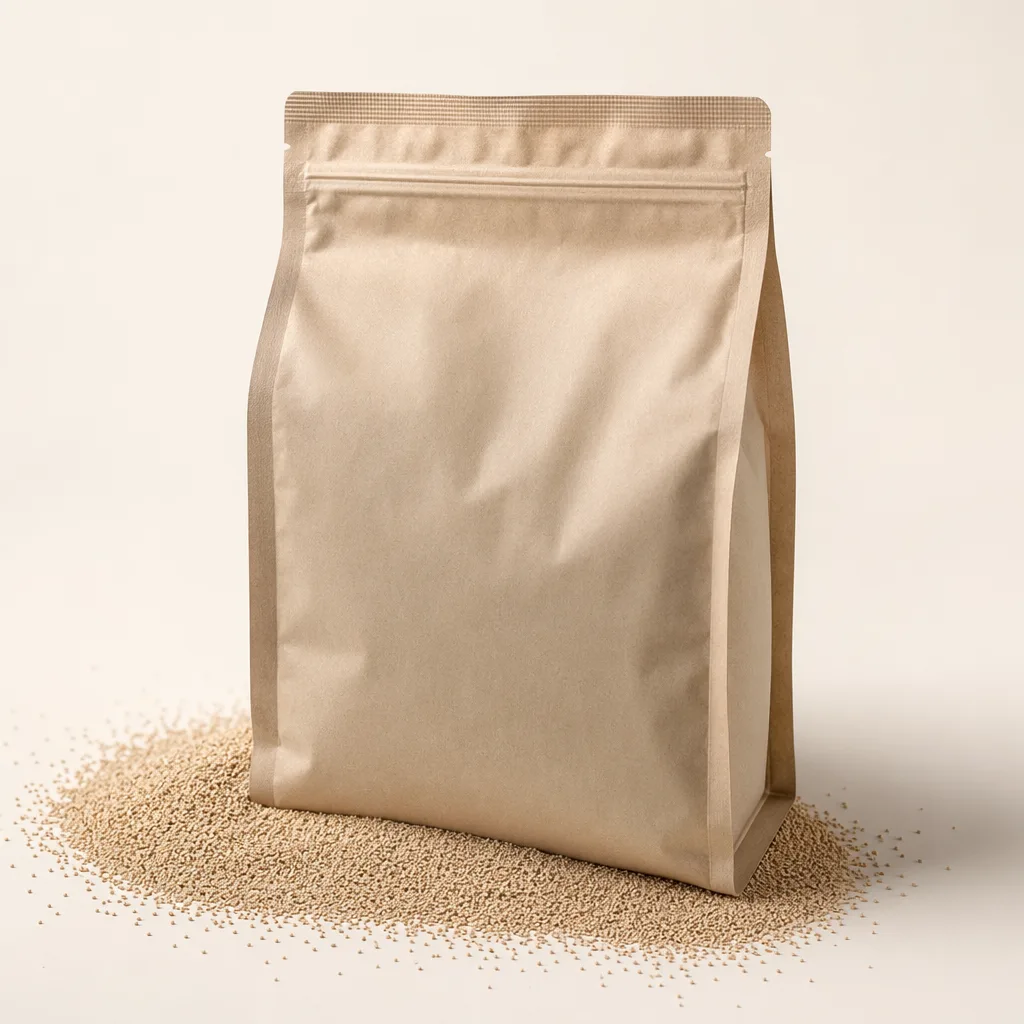
Sparkling Wine Yeast for Winemaking
Sparkling wine yeast is an active dry Saccharomyces cerevisiae strain selected for bottle or tank secondary fermentation under elevated alcohol, acidity, and dissolved CO2 pressure. ART-BW-030 is supplied for professional winemaking programs producing traditional-method sparkling wines, cava-style bases, and pressurized prosecco-style ferments. The product is packed in 10 kg foil pouches for cellar and plant-scale dosing. ArtemisYeast supports wholesale availability, specification review, and bulk quote on request for qualified wineries, contract producers, and beverage manufacturers.
- ✓ Free worldwide shipping
- ✓ ISO-aligned manufacturing
- ✓ Certificate of Analysis on request
- ✓ Bulk & custom volumes quoted on request
Overview
ART-BW-030 Sparkling Wine Yeast is formulated for secondary fermentation where reliable restart, compact lees behavior, and pressure tolerance are critical process variables. The culture is supplied as active dry yeast with a typical viable count of not less than 1×10^10 CFU/g at packing, moisture generally not more than 8%, and high fermentative capacity in base wines that have already reached significant alcohol. It is suitable for tirage fermentation, controlled tank fermentation, and dosage trials where neutral-to-clean sensory contribution is preferred.
The strain is intended to perform in low pH wine matrices, with typical operating ranges of pH 2.9-3.5, total alcohol tolerance up to approximately 16% v/v depending on nutrient status and acclimatization, and fermentation temperature commonly managed at 12-20°C for sparkling production. Rehydration is recommended before inoculation, followed by gradual acclimation to the base wine, sugar, alcohol, and SO2 conditions. For related beverage yeast formats, see brewing and winemaking yeast.
Applications
- Traditional-method sparkling wine: secondary bottle fermentation for brut, extra brut, rosé, and vintage programs requiring consistent pressure development and clean autolytic potential during lees aging.
- Tank-method sparkling wine: controlled pressure fermentation in sealed tanks, with stable kinetics when base wine composition, assimilable nitrogen, and temperature are managed.
- Cava-style and prosecco-style production: suitable for professional sparkling wine operations seeking dependable refermentation under CO2 pressure and low nutrient conditions.
- R&D and pilot cellar work: tirage dosage screening, base wine compatibility studies, pressure build validation, and yeast sedimentation evaluation before production release.
- Contract beverage manufacturing: 10 kg foil pouch supply supports production planning, lot traceability, and multi-site procurement. For commercial availability, submit project volume details through request a quote.
Storage and Handling
Store unopened 10 kg foil pouches in a cool, dry, odor-free warehouse, ideally at 4-15°C and below 65% relative humidity. Keep away from direct sunlight, steam lines, cleaning chemicals, and high-oxygen exposure. Under recommended conditions, typical shelf life is 24-36 months from manufacture, subject to lot-specific confirmation. Once opened, reseal tightly, use promptly, and avoid repeated exposure to humid cellar air.
For rehydration, disperse yeast into clean water at approximately 35-40°C, following winery protocol and supplier guidance. Avoid direct addition into cold, alcoholic, or high-SO2 base wine without acclimatization, as this can reduce viability. Typical tirage inoculation rates are often 15-30 g/hL, adjusted for target pressure, base wine stress level, and production method.
Quality and Documentation
ArtemisYeast supplies ART-BW-030 for B2B beverage production with lot traceability and specification review before shipment. Typical quality checks include appearance, moisture, viable yeast count, microbiological limits, and packaging integrity. A certificate of analysis, allergen statement, non-GMO position where applicable, safety data sheet, and food-grade declaration can be provided on request for purchasing and quality teams.
Manufacturing and packing documentation may include HACCP-aligned controls and food-safety system documentation such as ISO 22000, FSSC 22000, Halal, or Kosher certificates where available for the producing site and lot. ArtemisYeast does not publish public pricing; wholesale pricing on request is provided after confirming volume, destination, documentation needs, and shipping schedule. Review our documentation approach at quality and compliance.
Storage & Handling
Refer to the CoA for product-specific storage conditions. Ship cold-chain where required.
Quality & Documentation
Manufactured under ISO-aligned quality management systems. Full documentation — Certificate of Analysis (CoA), Material Safety Data Sheet (MSDS), formulation summary, and stability data — is available on request. Email info@artemisyeast.com with the SKU.
About this product
01 What is the typical shelf life?
02 Do you offer documentation (CoA, food-grade declaration)?
03 What is the minimum order quantity?
04 Is bulk pricing available?
05 How is this product shipped internationally?
More from Brewing & Winemaking Yeast
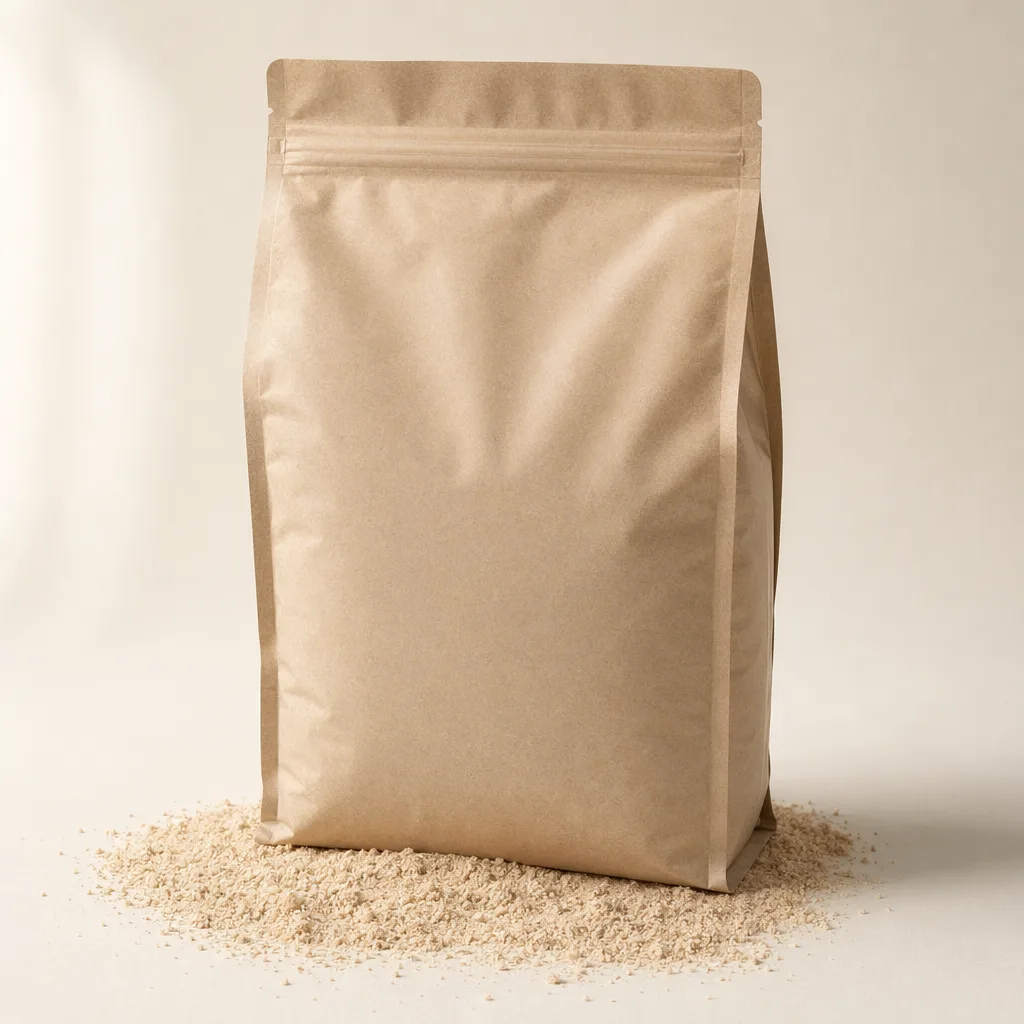
Super Turbo Yeast for High-Gravity Fermentation
Active dry super turbo yeast for craft brewers, winemakers, distillers, and industrial fermentation.
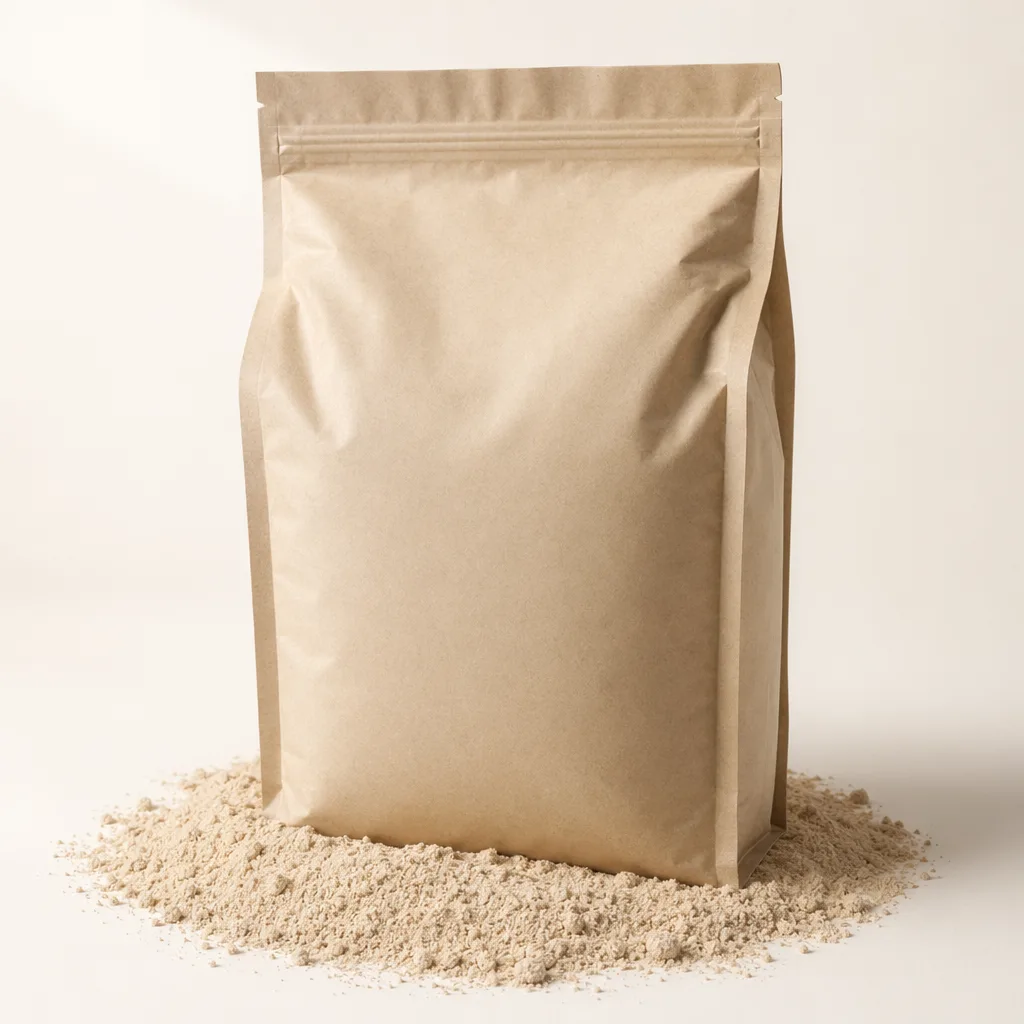
Dry Fermentation Nutrients and Protectors for Yeast
Active dry nutrients and protectors for craft brewers, winemakers, distillers, and industrial fermentation.
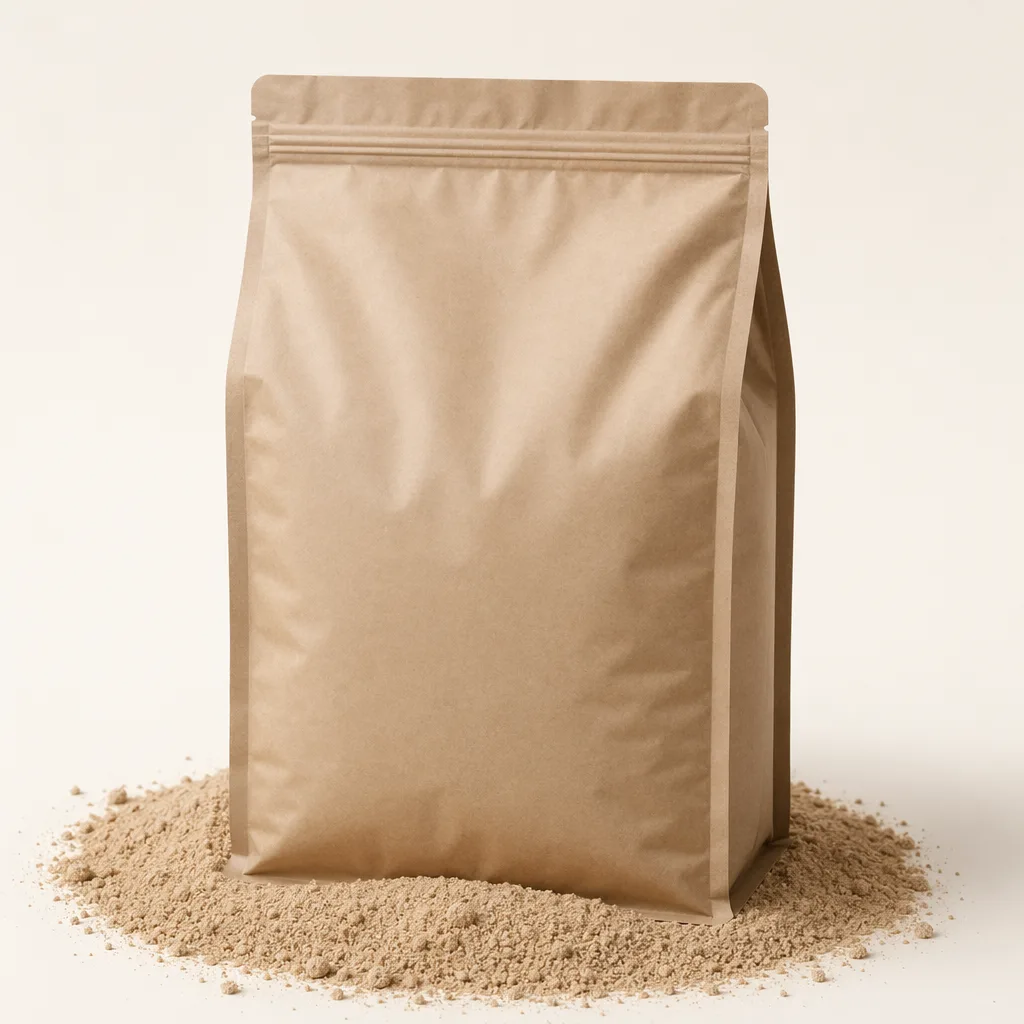
Dry Winemaking Enzyme for Fermentation Processing
Active dry winemaking enzyme for craft brewers, winemakers, distillers, and industrial fermentation.
Super Turbo Yeast for Craft Brewing, 10 kg Pouch
Super Turbo Yeast for craft brewing applications. Active dry super turbo yeast for craft brewers, winemakers,…