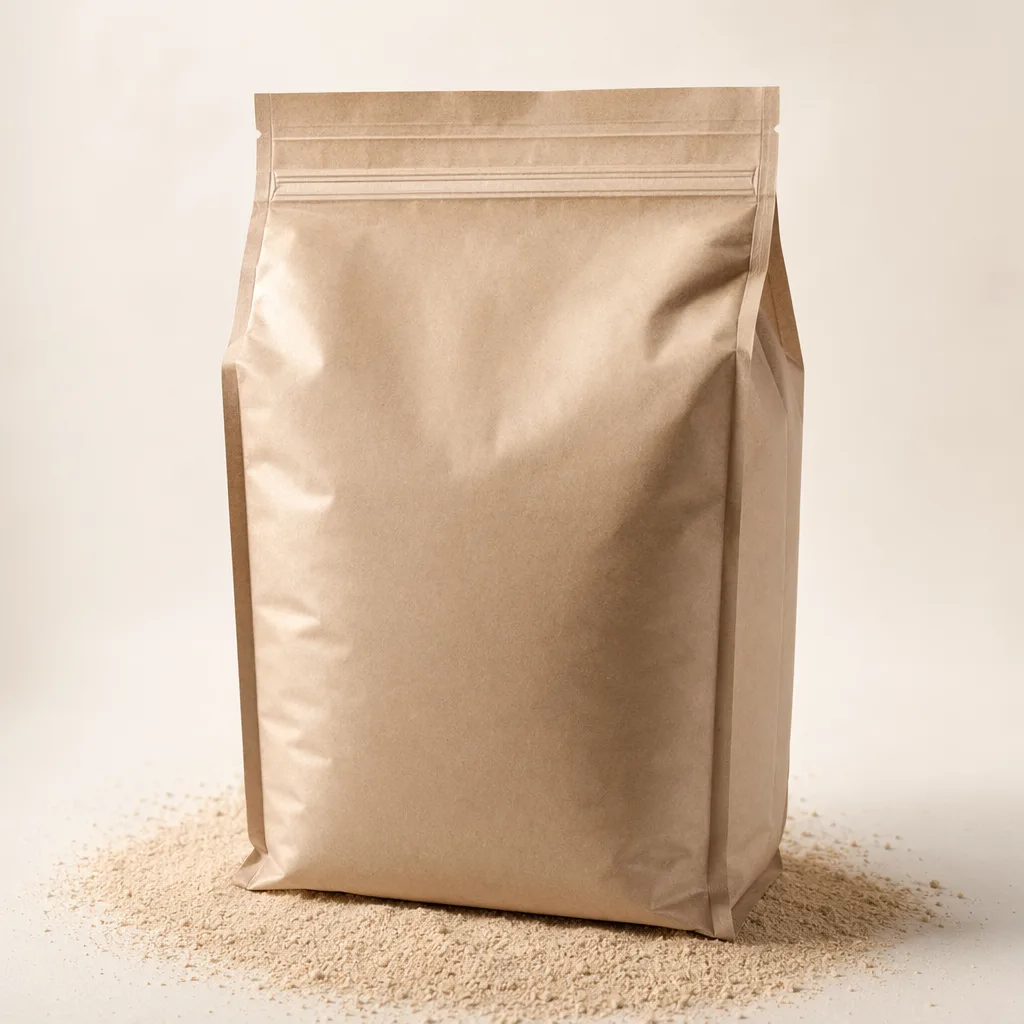
Dry Wheat Beer Brewing Yeast
Wheat beer brewing yeast is a dry Saccharomyces cerevisiae culture selected for top-fermented wheat styles with banana-like ester and clove-like phenolic expression. ArtemisYeast ART-BW-017 is supplied in 10 kg foil pouches for breweries producing hefeweizen, witbier, Belgian wheat ale, and related specialty beers. The strain is intended for professional brewhouses requiring repeatable fermentation behavior, practical dry-yeast logistics, and wholesale availability by inquiry. Wholesale pricing on request.
- ✓ Free worldwide shipping
- ✓ ISO-aligned manufacturing
- ✓ Certificate of Analysis on request
- ✓ Bulk & custom volumes quoted on request
Overview
ART-BW-017 is a wheat-style brewing yeast for craft and regional breweries seeking a controlled ester-phenolic profile without maintaining a liquid culture propagation system. It is a top-fermenting dry yeast with typical viable cell count of not less than 5×10^9 CFU/g at packing, moisture typically not more than 8%, and low to medium flocculation. In standard wort, expected apparent attenuation is commonly 72–78%, depending on grist composition, mash profile, oxygenation, pitch rate, and fermentation temperature.
The sensory target is a balanced banana-clove profile associated with wheat beer production. Isoamyl acetate expression is supported by moderate-to-warm fermentation, while phenolic 4-vinyl guaiacol expression depends on precursor availability from malt and process design. Typical fermentation temperature range is 18–24 °C; higher temperatures can increase ester intensity, while cooler control may produce a more restrained profile. For adjacent dry yeast options, see the brewing and winemaking yeast category.
Applications
- Hefeweizen and German-style wheat beer: Supports hazy wheat beer fermentation with classic top-fermentation aromatics, low to medium sedimentation, and yeast-in-suspension presentation when process conditions are designed for that result.
- Witbier: Suitable for wheat-based beers using citrus peel, coriander, or other brewery-approved adjuncts where a soft ester profile is required without masking spice additions.
- Belgian wheat ales: Provides a practical dry-yeast format for small-batch, seasonal, and export-oriented wheat ale programs that require consistent pitching material across multiple brewhouses.
- Production planning: The 10 kg foil pouch format is appropriate for breweries managing batch-to-batch inventory, dry storage, and reduced cold-chain dependence compared with liquid yeast handling.
- Process trials: R&D brewers may evaluate pitch rates, wort gravity, fermentation temperature, and oxygenation to tune ester intensity, attenuation, haze stability, and maturation time before scaling to full production.
Storage and Handling
Store unopened pouches in a cool, dry, odor-free warehouse away from direct sunlight, moisture, and heat sources. Recommended storage is 4–15 °C for maximum viability retention; short periods at ambient warehouse temperature may be acceptable during transit when cartons remain sealed and dry. Typical shelf life is up to 24 months from production date when stored under recommended conditions, subject to the lot-specific certificate of analysis.
Use clean, brewery-approved handling procedures when opening the pouch. For direct pitching, distribute yeast into wort according to the brewery’s validated pitching rate and agitation method. For rehydration, use sterile or hygienically controlled water within the supplier-recommended temperature band, then pitch promptly to reduce viability loss. After opening, reseal unused material immediately, protect from humidity and oxygen exposure, and use as soon as practical. To discuss pallet quantities or delivery lanes, submit a bulk quote on request.
Quality and Documentation
ART-BW-017 is supplied for professional beverage fermentation with lot traceability and specification review before shipment. Standard quality checks may include viable yeast count, moisture, microbiological purity indicators, sensory suitability, and packaging integrity. Typical microbiological targets include absence of objectionable contaminants within brewing-yeast specification limits; exact criteria are confirmed on the lot CoA.
ArtemisYeast supports procurement teams with documentation suitable for supplier approval, import review, and internal quality files. Available documents may include certificate of analysis, technical data sheet, safety data sheet where applicable, food-grade declaration, allergen statement, GMO status statement where applicable, and origin or packing information. HACCP-aligned manufacturing information and site-specific certification status, such as ISO 22000, FSSC 22000, Halal, or Kosher, can be confirmed during quotation when documentation is available. Review our quality approach at quality and documentation.
Storage & Handling
Refer to the CoA for product-specific storage conditions. Ship cold-chain where required.
Quality & Documentation
Manufactured under ISO-aligned quality management systems. Full documentation — Certificate of Analysis (CoA), Material Safety Data Sheet (MSDS), formulation summary, and stability data — is available on request. Email info@artemisyeast.com with the SKU.
About this product
01 What is the typical shelf life?
02 Do you offer documentation (CoA, food-grade declaration)?
03 What is the minimum order quantity?
04 Is bulk pricing available?
05 How is this product shipped internationally?
More from Brewing & Winemaking Yeast
Super Turbo Yeast for High-Gravity Fermentation
Active dry super turbo yeast for craft brewers, winemakers, distillers, and industrial fermentation.
Dry Fermentation Nutrients and Protectors for Yeast
Active dry nutrients and protectors for craft brewers, winemakers, distillers, and industrial fermentation.
Dry Winemaking Enzyme for Fermentation Processing
Active dry winemaking enzyme for craft brewers, winemakers, distillers, and industrial fermentation.
Super Turbo Yeast for Craft Brewing, 10 kg Pouch
Super Turbo Yeast for craft brewing applications. Active dry super turbo yeast for craft brewers, winemakers,…