Winemaking Enzyme for Distilled Spirits
Winemaking enzyme for distilled spirits is a dry fermentation-processing aid used to improve juice release, viscosity control, clarification, and fermentable substrate preparation before distillation. ART-BW-040 is supplied for distillers, wineries, and fermentation plants that process grape, fruit, or other carbohydrate-based mashes into spirit bases. ArtemisYeast offers this item in 10 kg foil pouches with wholesale pricing on request and technical documentation for procurement review.
- ✓ Free worldwide shipping
- ✓ ISO-aligned manufacturing
- ✓ Certificate of Analysis on request
- ✓ Bulk & custom volumes quoted on request
Overview
ART-BW-040 is an active dry winemaking enzyme formulated for distilled-spirits production where consistent mash breakdown, pressing efficiency, and pre-distillation clarification are required. The product is suitable for fruit must, grape pomace, wine base, and selected cereal-fruit blends used by craft and industrial distillers. It is designed for use before or during fermentation, depending on the raw material and plant process, to support more uniform solids separation and easier downstream handling.
Typical specification targets include dry powder or granular appearance, moisture not more than 8%, light tan to brown color, and practical dispersibility in process water or must. Activity is declared by lot on the certificate of analysis because enzyme blends are standardized by functional activity rather than CFU/g. Particle size is commonly controlled for industrial dosing, with 40-80 mesh as a typical working range. For adjacent fermentation inputs, see our brewing and winemaking yeast category, or submit a bulk quote on request for SKU ART-BW-040.
Applications
- Distilled fruit spirits: supports extraction and liquefaction of grape, apple, pear, berry, stone-fruit, or mixed-fruit mashes before alcoholic fermentation and distillation.
- Wine base for brandy and neutral spirit: helps reduce suspended solids and supports more predictable clarification before stripping or pot distillation.
- Pomace and press fractions: assists processing of high-solids materials where viscosity reduction and improved drainage are required for plant throughput.
- Craft distilleries: supplied in a manageable 10 kg foil pouch for production teams that need repeatable dosing without small retail packs.
- Industrial fermentation plants: suitable for batch records, controlled addition points, and procurement programs requiring lot traceability, CoA review, and export documentation.
Dose rate should be validated by raw material, pH, temperature, contact time, and target spirit specification. A practical trial range for many fruit or wine-base operations is 20-100 g per metric ton of mash, with higher or lower rates confirmed by pilot testing. For pectin-rich fruit washes, distillers should align enzyme selection and contact time with local methanol-control requirements and final product specifications.
Storage and Handling
Store unopened pouches in a cool, dry, odor-free warehouse, ideally below 25 °C and away from direct sunlight, steam lines, and high-humidity production areas. Keep the foil pouch sealed after partial use and transfer opened material only into clean, dry, clearly labeled containers. Under recommended storage, typical shelf life is 18-24 months from manufacture, subject to the lot statement on the CoA.
For use, disperse the enzyme in clean process water or add gradually into moving must to avoid clumping. Avoid prolonged exposure to temperatures above the recommended processing window, as excessive heat can reduce enzyme activity. Operators should follow site handling procedures for dry powders, including dust control, eye protection, gloves, and respiratory protection where airborne dust may be generated.
Quality and Documentation
ART-BW-040 is supplied as an inquiry-only bulk ingredient for professional fermentation and distillation operations. Lot-specific documentation can include certificate of analysis, specification sheet, allergen statement, food-grade declaration, SDS, country-of-origin statement, and packaging details. HACCP-aligned manufacturing information and available ISO 22000, FSSC 22000, Halal, or Kosher documentation can be reviewed on request where applicable to the production lot and supply route.
Procurement teams may request samples, lead-time confirmation, pallet configuration, and export document checks before purchase. ArtemisYeast supports technical review by R&D teams and plant managers, including recommended trial design, dosing point discussion, and compatibility review with yeast, nutrients, sulfite programs, and fermentation temperature targets. See our quality and documentation page for the types of records commonly provided with bulk fermentation ingredients.
Storage & Handling
Refer to the CoA for product-specific storage conditions. Ship cold-chain where required.
Quality & Documentation
Manufactured under ISO-aligned quality management systems. Full documentation — Certificate of Analysis (CoA), Material Safety Data Sheet (MSDS), formulation summary, and stability data — is available on request. Email info@artemisyeast.com with the SKU.
About this product
01 What is the typical shelf life?
02 Do you offer documentation (CoA, food-grade declaration)?
03 What is the minimum order quantity?
04 Is bulk pricing available?
05 How is this product shipped internationally?
More from Brewing & Winemaking Yeast
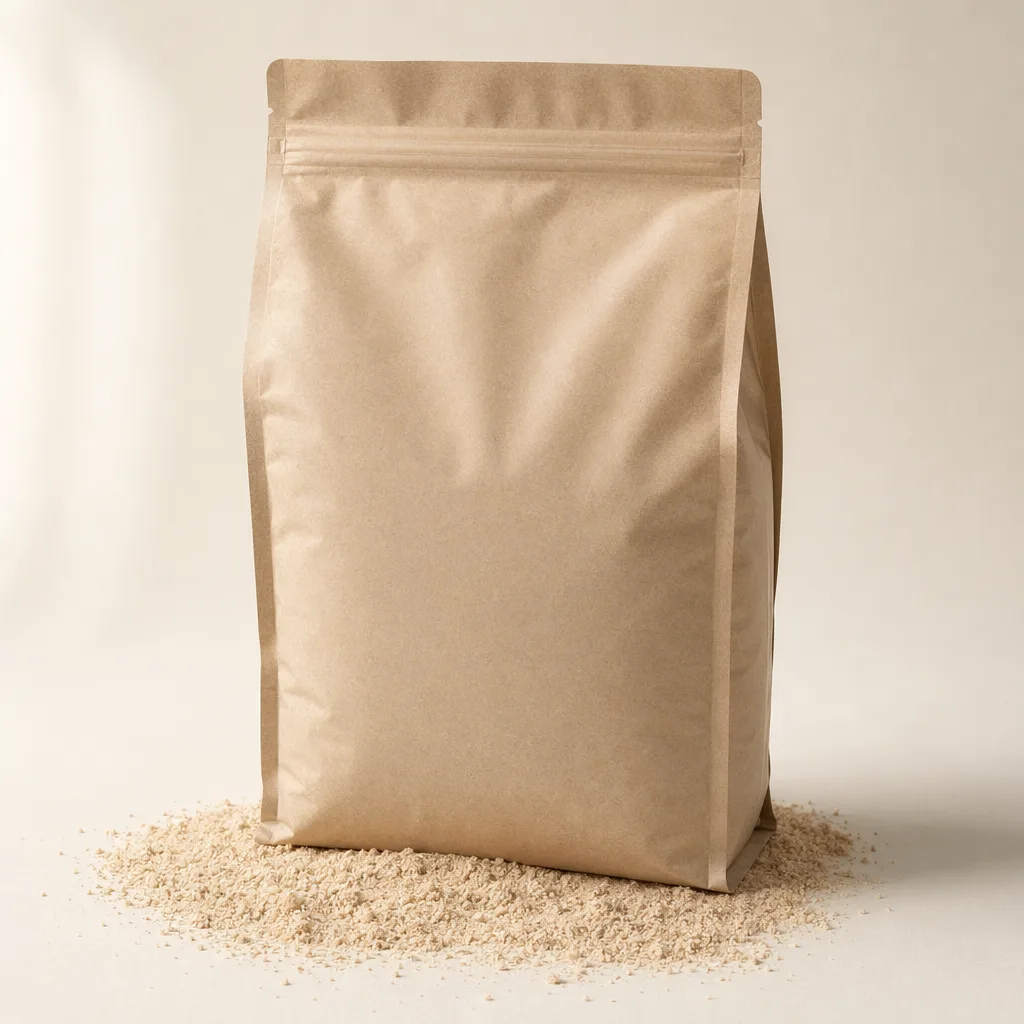
Super Turbo Yeast for High-Gravity Fermentation
Active dry super turbo yeast for craft brewers, winemakers, distillers, and industrial fermentation.
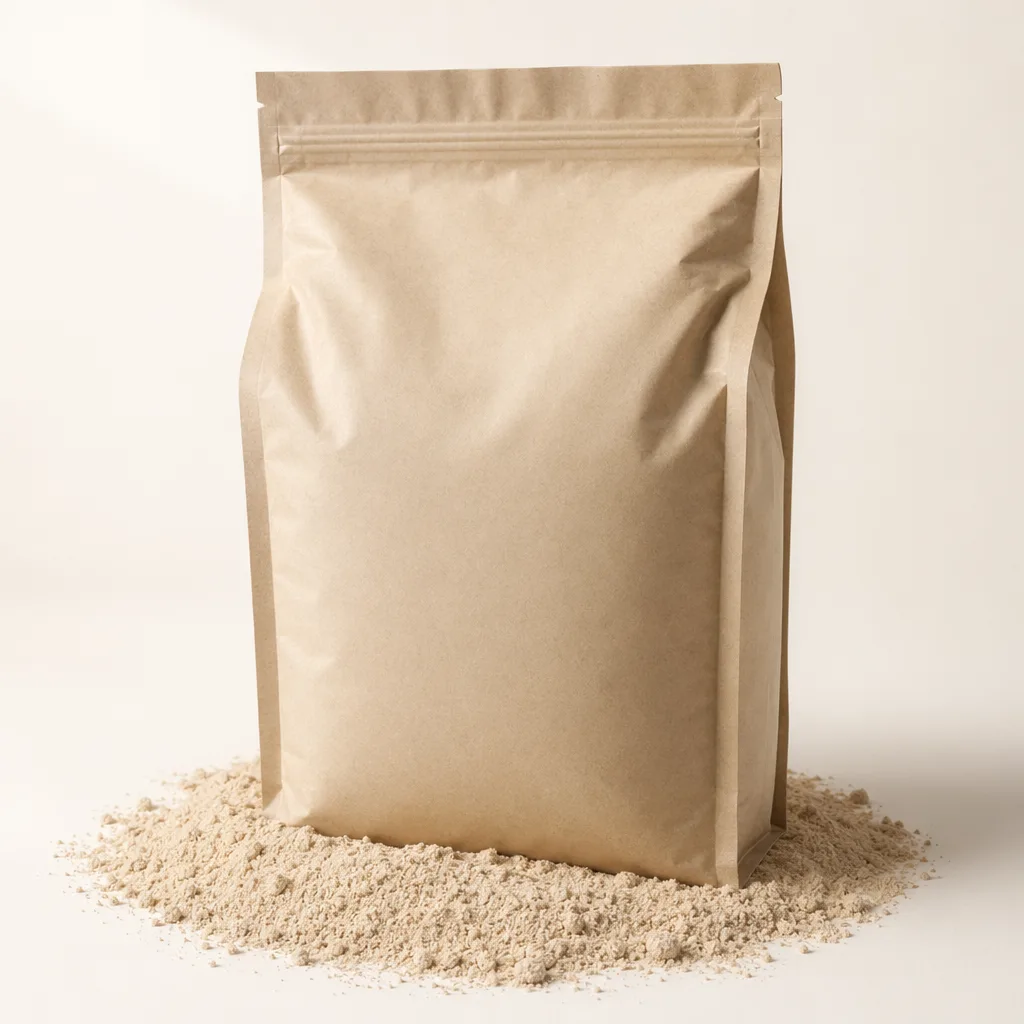
Dry Fermentation Nutrients and Protectors for Yeast
Active dry nutrients and protectors for craft brewers, winemakers, distillers, and industrial fermentation.
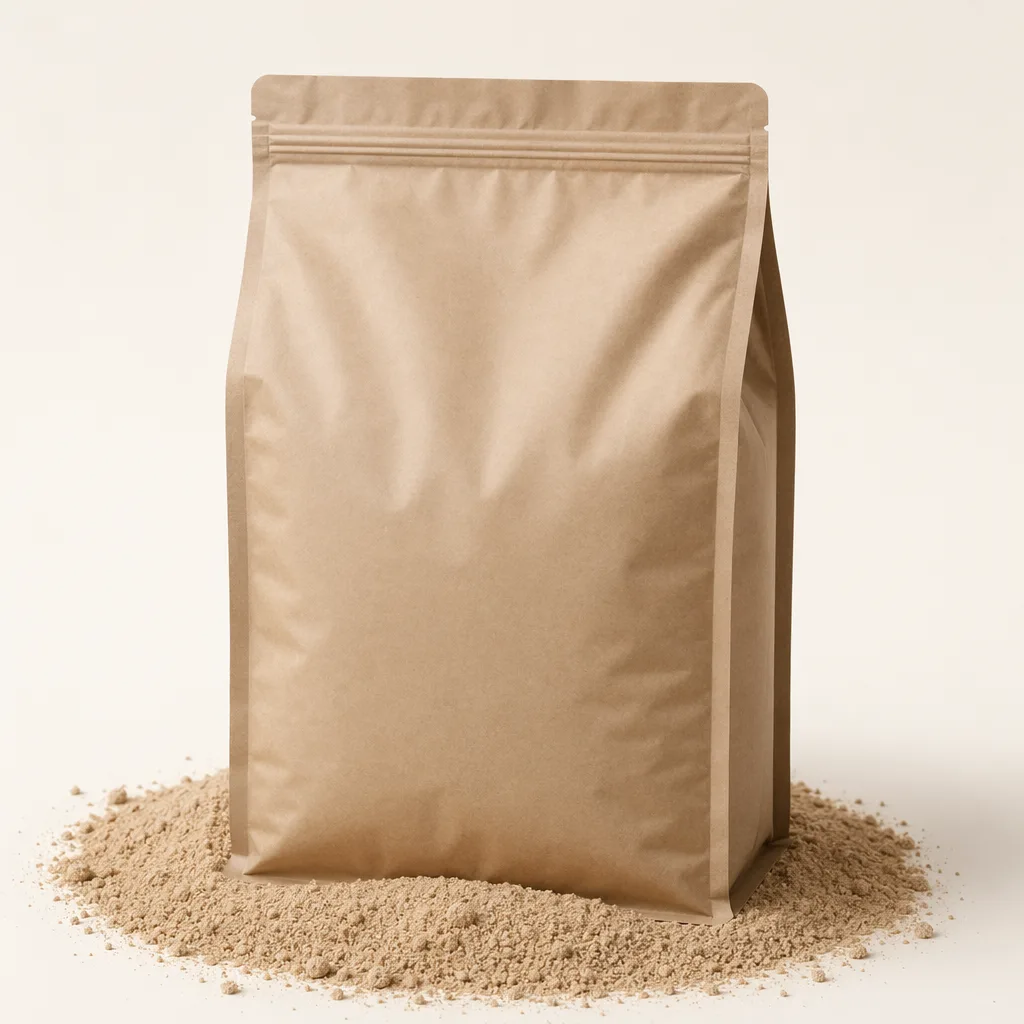
Dry Winemaking Enzyme for Fermentation Processing
Active dry winemaking enzyme for craft brewers, winemakers, distillers, and industrial fermentation.
Super Turbo Yeast for Craft Brewing, 10 kg Pouch
Super Turbo Yeast for craft brewing applications. Active dry super turbo yeast for craft brewers, winemakers,…