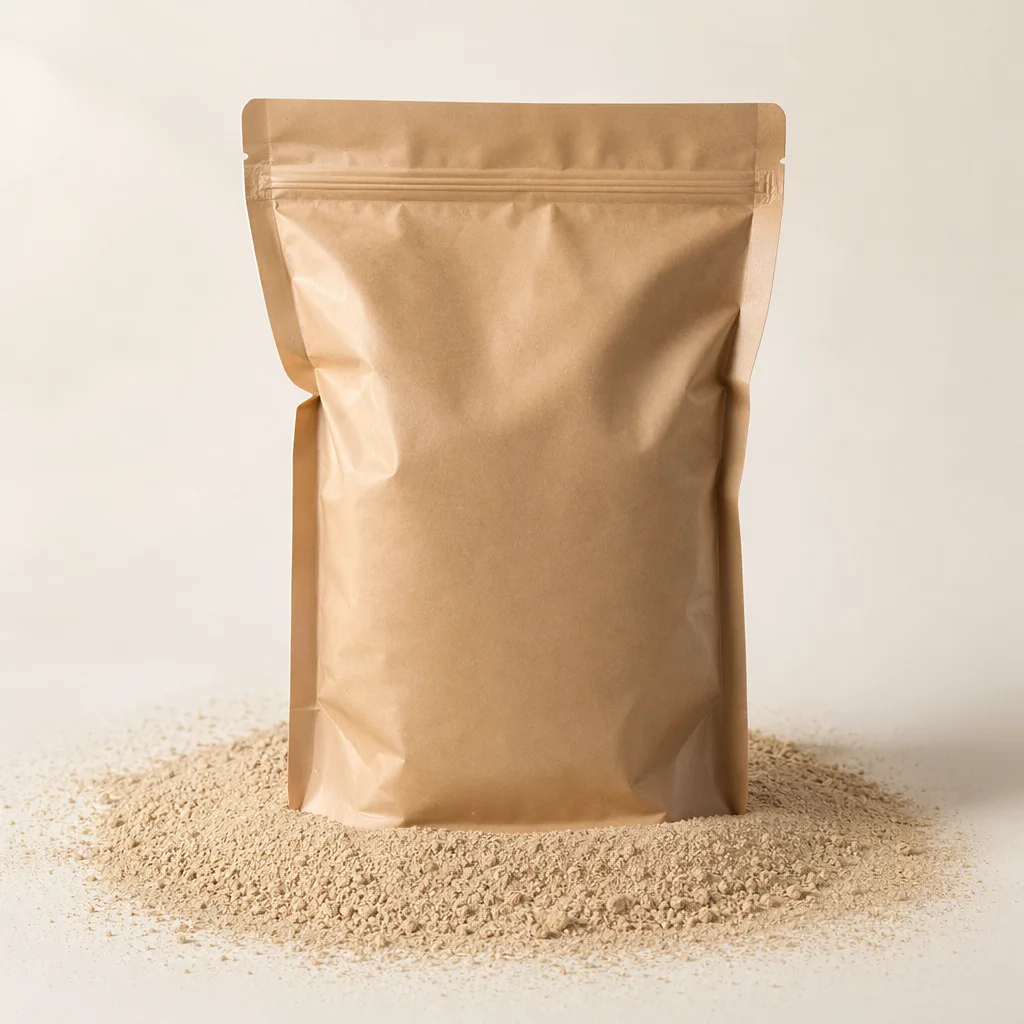
Winemaking Pectinase Enzyme
Winemaking pectinase enzyme is a food-processing enzyme preparation used to break down grape pectin during crushing, maceration, pressing, and clarification. ART-BW-046 is supplied for commercial wineries and beverage processors that require predictable juice release, lower viscosity, improved settling, and stable red wine color extraction. The standard pack is a 10 kg foil pouch for cellar and plant dosing. ArtemisYeast supplies this item on an inquiry-only basis, with wholesale pricing on request for qualified bulk buyers.
- ✓ Free worldwide shipping
- ✓ ISO-aligned manufacturing
- ✓ Certificate of Analysis on request
- ✓ Bulk & custom volumes quoted on request
Overview
ART-BW-046 is a powdered pectinase preparation formulated for winemaking operations where grape pectin can limit free-run yield, press efficiency, clarification speed, and filtration throughput. Pectinase activity hydrolyzes pectic polysaccharides in skins, pulp, and must, reducing viscosity and helping suspended solids separate more consistently. In red wine production, the enzyme is typically applied during crush or early maceration to support extraction of phenolics and color compounds while improving downstream handling.
The product is intended for winery use under controlled process conditions, not for direct retail sale. Typical specification targets include free-flowing light tan to brown powder, moisture not more than 8%, carrier-based standardization for batch-to-batch dosing, and activity declared by lot on the Certificate of Analysis. Recommended use level depends on grape variety, pectin load, temperature, contact time, sulfur dioxide level, and target extraction profile; pilot trials are advised before plant-scale adoption. Related cellar ingredients can be reviewed in our brewing and winemaking yeast category, and procurement teams may request a bulk quote on request for ART-BW-046.
Applications
- Red wine maceration: supports pectin breakdown in crushed grapes, improving must flow, cap wetting, color extraction, and press performance when used within the winemaker’s validated protocol.
- White and rosé juice processing: can assist juice release and settling where grape pectin slows clarification or creates high turbidity after pressing.
- Clarification before fermentation or filtration: helps reduce viscosity and pectin haze risk, supporting centrifugation, flotation, racking, or depth filtration steps.
- Concentrate and fruit wine operations: suitable for beverage plants processing grape-derived bases or pectin-rich fruit musts, subject to compatibility testing with the production matrix.
- R&D and process optimization: allows food scientists and cellar managers to evaluate dose, contact time, temperature, and sensory impact against untreated controls before commercial use.
Storage and Handling
Store sealed pouches in a cool, dry warehouse, ideally 5–25 °C, away from direct sunlight, steam lines, strong odors, and high humidity. Keep the 10 kg foil pouch tightly closed after opening and use clean, dry scoops to prevent moisture ingress. Under recommended storage, typical shelf life is 18–24 months from manufacture, subject to the lot-specific label and CoA. Enzyme dust may cause irritation by inhalation or contact; operators should use local exhaust where practical and wear appropriate PPE, including gloves, eye protection, and a dust mask or respirator according to the site safety assessment.
For dosing, disperse the powder into a small volume of clean water or must before addition, then mix thoroughly into the crusher, tank, or juice stream. Avoid adding directly to hot liquids above the validated operating range, because elevated heat can reduce enzyme activity. Compatibility with bentonite, high alcohol, extreme pH, and elevated sulfur dioxide should be verified in trial batches.
Quality and Documentation
ArtemisYeast supplies ART-BW-046 for B2B procurement with lot traceability and export documentation support. A Certificate of Analysis can list appearance, moisture or loss on drying, declared enzyme activity, microbiological limits where applicable, and packaging details. Safety Data Sheet, allergen statement, non-GMO statement, food-grade declaration, and origin documentation are available on request according to destination and order requirements.
Manufacturing is managed under food-ingredient controls with HACCP-aligned documentation; ISO 22000, FSSC 22000, Halal, and Kosher documentation may be available for applicable lots and should be confirmed before purchase. ArtemisYeast recommends reviewing specifications through our quality and documentation process before releasing a purchase order, especially for wineries with retailer, export, or private-label compliance requirements.
Storage & Handling
Refer to the CoA for product-specific storage conditions. Ship cold-chain where required.
Quality & Documentation
Manufactured under ISO-aligned quality management systems. Full documentation — Certificate of Analysis (CoA), Material Safety Data Sheet (MSDS), formulation summary, and stability data — is available on request. Email info@artemisyeast.com with the SKU.
About this product
01 What is the typical shelf life?
02 Do you offer documentation (CoA, food-grade declaration)?
03 What is the minimum order quantity?
04 Is bulk pricing available?
05 How is this product shipped internationally?
More from Brewing & Winemaking Yeast
Super Turbo Yeast for High-Gravity Fermentation
Active dry super turbo yeast for craft brewers, winemakers, distillers, and industrial fermentation.
Dry Fermentation Nutrients and Protectors for Yeast
Active dry nutrients and protectors for craft brewers, winemakers, distillers, and industrial fermentation.
Dry Winemaking Enzyme for Fermentation Processing
Active dry winemaking enzyme for craft brewers, winemakers, distillers, and industrial fermentation.
Super Turbo Yeast for Craft Brewing, 10 kg Pouch
Super Turbo Yeast for craft brewing applications. Active dry super turbo yeast for craft brewers, winemakers,…